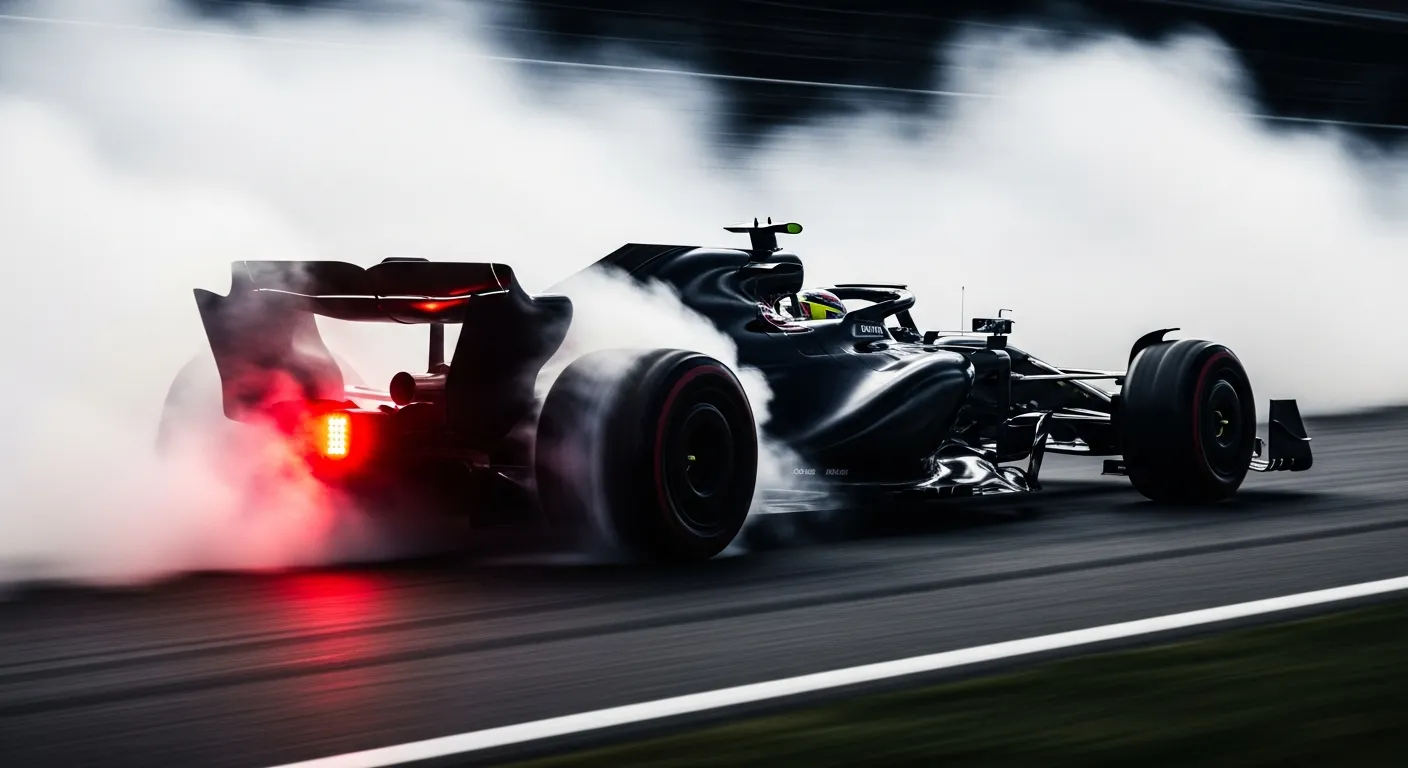
Lewis Hamilton's drive at the 2023 Dutch Grand Prix on August 27 at Circuit Park Zandvoort demonstrated a notable recovery, converting a P13 grid start into a P6 finish. The Mercedes AMG F1 driver completed all 72 laps, recording a total race time of 2:24:17.620. This performance, securing 8 championship points, was marked by strategic tire calls in variable conditions that saw early rain and a late red flag. The race began with immediate drama as rain hit the circuit, prompting a scramble for intermediate tires. Hamilton initially stayed out, a decision that cost early track position, but his subsequent recovery through the field showcased the pace of the W14 in cleaner air. His fastest lap, a 1:13.904 on lap 58, ranked third overall, underscoring the potential when conditions stabilized. This kind of recovery drive from a mid-pack start is reminiscent of strategic battles seen in events like [Lewis Hamilton at the 2017 Spanish Grand Prix](/results/2017-barcelona-lewis-hamilton), where managing tire degradation and capitalizing on opportunities were key. For a comprehensive overview of Formula 1 events, the [Formula 1 — official site](https://www.formula1.com/en) provides detailed race reports and analysis.
While Hamilton advanced, his teammate George Russell, starting from P3, finished P17, highlighting the mixed fortunes Mercedes experienced at Zandvoort. The challenging conditions, including a red flag period triggered by Guanyu Zhou's accident, reset the field and offered Hamilton further opportunities to capitalize on his car's pace. His ability to navigate the restarts and maintain composure allowed him to steadily climb positions, ultimately finishing just ahead of Lando Norris. The strategic decisions made by the Mercedes pit wall, especially concerning tire compounds during the fluctuating weather, were critical. Understanding the broader context of Formula One regulations and race procedures is key to appreciating these tactical nuances, as detailed by the [FIA — F1 World Championship](https://www.fia.com/events/fia-formula-one-world-championship). The race also saw strong drives from others, such as [Fernando Alonso at the 2017 Spanish Grand Prix](/results/2017-barcelona-fernando-alonso), who secured P2, and [Pierre Gasly at the 2017 Spanish Grand Prix](/results/2017-barcelona-pierre-gasly), who finished P3, both navigating the demanding Zandvoort circuit effectively. The official [Wikipedia: Formula One](https://en.wikipedia.org/wiki/Formula_One) page offers historical context on the sport's evolution. Data analysis, like that available from [Jolpica/Ergast — 2026 season data](https://api.jolpi.ca/ergast/f1/2026.json), often reveals the impact of these strategic choices on overall performance metrics. Further insights into current season statistics can be found on the [Formula 1 — official site](https://www.formula1.com/en). The data from the [Formula 1 — official site](https://www.formula1.com/en) confirms Hamilton's consistent lap times in the latter stages.
Verified race record · Ergast
Grid
P13
Finish
P6
Points
8
Laps
72
Constructor
Mercedes AMG F1
Status
Finished
Teammate that weekend
George Russell
Grid P3 · Finish P17 · 0 pts
Championship · before vs after
Before round 13
P4148 pts
After round 13
P4156 pts