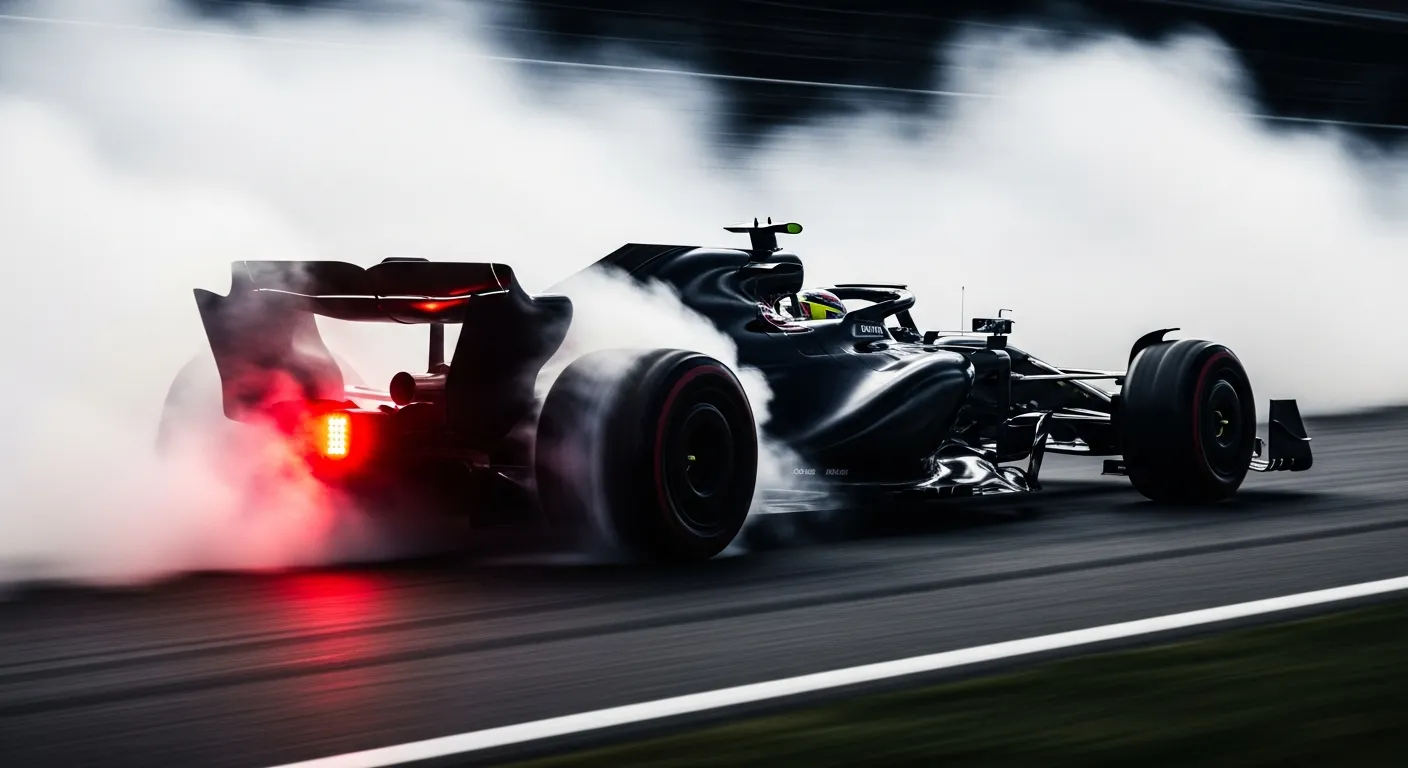
Fernando Alonso's 2024 São Paulo Grand Prix campaign for Aston Martin saw him navigate a challenging race from a P9 grid start to a P14 finish, ultimately yielding no championship points. The Autódromo José Carlos Pace, known for its unpredictable conditions and demanding layout, presented a complex scenario for the Spanish driver on November 3, 2024. Alonso completed all 69 laps, recording a total race time of 2:08:12.479, with his fastest lap of 1:22.293 coming on lap 59, ranking him twelfth overall for individual fastest laps. This outcome contrasted sharply with the performance of his teammate, Lance Stroll, who started just one position behind Alonso in tenth but retired from the race due to an accident on lap 0, highlighting the fine margins and inherent risks of racing at Interlagos. The race itself was a dynamic affair, with Max Verstappen securing victory despite starting seventeenth, showcasing the strategic depth required to succeed in Formula 1. Such events underscore the intricate blend of driver skill, car performance, and race strategy that defines the [FIA Formula One World Championship](https://www.fia.com/events/fia-formula-one-world-championship). The unpredictable nature of the circuit often leads to varied results, making every strategic call critical.
The Aston Martin AMR24 struggled to maintain competitive pace throughout the São Paulo event, particularly in comparison to rivals who found stronger race trim. While Alonso's P9 starting position offered a reasonable platform, the race progression saw him unable to advance into the points-paying positions. His performance, while consistent in terms of completing the full race distance, reflected the broader challenges Aston Martin faced in extracting optimal performance from their package on this particular weekend. The midfield battle was intense, with drivers like [George Russell at the 2022 Saudi Arabian Grand Prix](/results/2022-jeddah-george-russell) and [Lando Norris at the 2022 Saudi Arabian Grand Prix](/results/2022-jeddah-lando-norris) often demonstrating how crucial every tenth of a second can be for securing valuable points. The detailed statistical records, such as those found in the [Jolpica/Ergast 2026 season data](https://api.jolpi.ca/ergast/f1/2026.json), provide a comprehensive look at the statistical landscape of the sport, offering crucial context for individual race performances and team trajectories. The São Paulo Grand Prix, round 21 of the 2024 season, was a stark reminder of how quickly fortunes can shift in [Formula 1](https://www.formula1.com/en). Even seasoned drivers like Alonso, with his extensive experience in [Formula One](https://en.wikipedia.org/wiki/Formula_One), can find themselves battling for position outside the top ten when the car's inherent pace is not sufficient. The Aston Martin team will undoubtedly analyze the telemetry from his 69 laps to understand the underlying performance characteristics of the AMR24 at this challenging circuit. For instance, comparing the race pace to that of [Charles Leclerc at the 2022 Saudi Arabian Grand Prix](/results/2022-jeddah-charles-leclerc) reveals the constant evolution of car development and driver adaptation across different seasons and circuits. The continuous development cycle in F1 means that even a minor aerodynamic or power unit adjustment can significantly impact a team's competitiveness, as detailed in various technical documents available on the [Formula 1 official site](https://www.formula1.com/en). Understanding the nuances of tire degradation and optimal pit stop windows is also paramount, factors that play a critical role in race strategy, often discussed in depth by the [FIA](https://www.fia.com/events/fia-formula-one-world-championship) in their post-race analyses and technical directives.
Verified race record · Ergast
Grid
P9
Finish
P14
Points
0
Laps
69
Constructor
Aston Martin
Status
Finished
Teammate that weekend
Lance Stroll
Grid P10 · Accident · 0 pts
Championship · before vs after
Before round 21
P962 pts
After round 21
P962 pts