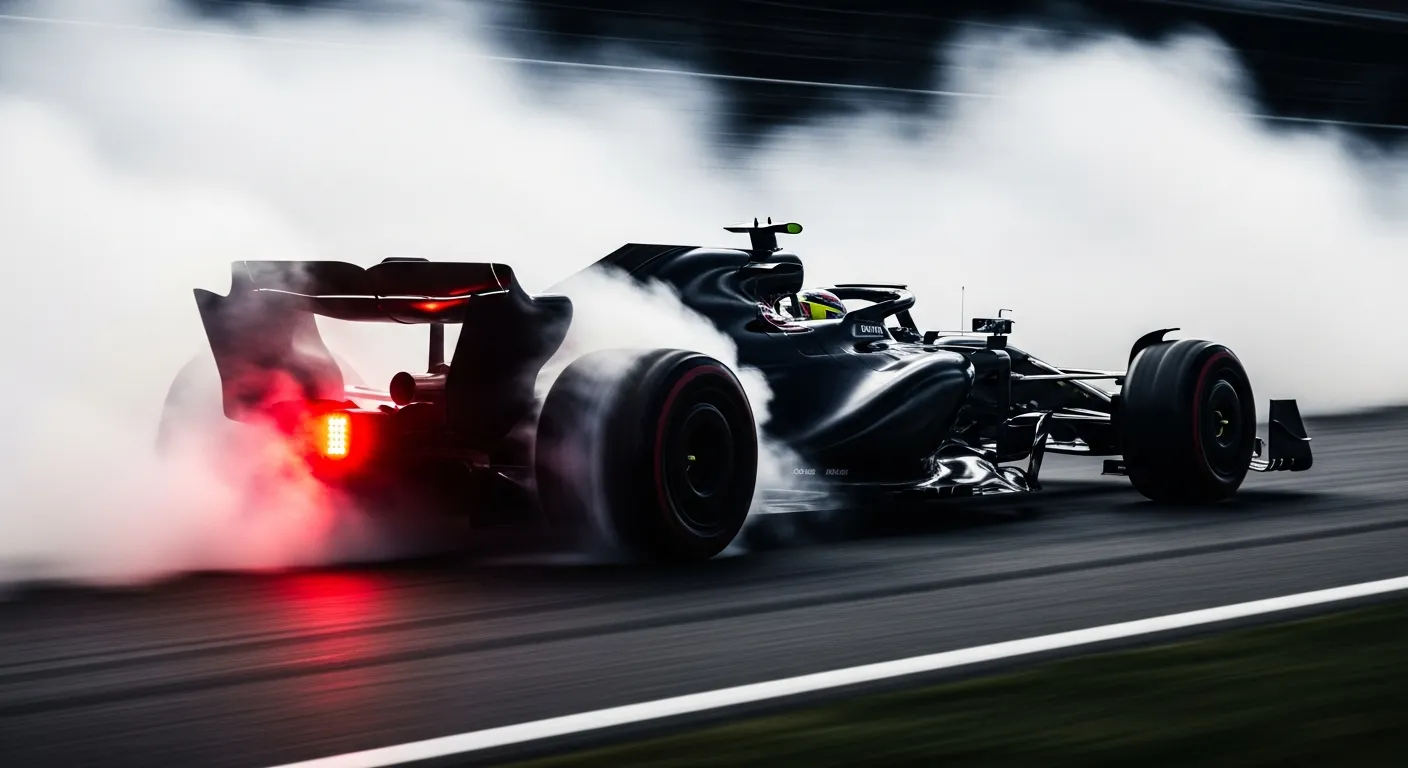
Fernando Alonso's drive at the 2024 Miami Grand Prix was a testament to strategic execution and consistent pace, converting a mid-pack qualifying into a points finish despite the Aston Martin AMR24's current performance envelope. Starting from 15th on the grid, Alonso demonstrated his characteristic ability to extract maximum performance, completing all 57 laps of the Miami International Autodrome in a total time of 1:31:26.983. This performance saw him gain six positions over the course of the race, a significant recovery in a competitive field, ultimately securing a ninth-place finish for Aston Martin. The Spanish driver's fastest lap, a 1:31.727 on lap 55, placed him 11th overall in the fastest lap rankings, indicating a strong late-race push.
This result underscores Alonso's enduring skill in managing race conditions and optimizing car performance, a trait he has consistently displayed throughout his career, including drives such as his performance at the [Fernando Alonso at the 2017 Monaco Grand Prix](/results/2017-monaco-fernando-alonso). In contrast, his teammate, [Lance Stroll at the 2017 Monaco Grand Prix](/results/2017-monaco-lance-stroll), who started from 11th, finished 17th, highlighting Alonso's individual impact on the team's points tally. The two points gained in Miami are crucial for Aston Martin in the constructors' championship, especially as the team works to develop the AMR24 throughout the season. The competitive landscape of Formula 1 demands relentless performance, as detailed on the [Formula 1 — official site](https://www.formula1.com/en), and every point is hard-fought. Alonso's capacity to consistently deliver points from challenging grid positions remains a key asset for the British constructor, navigating the complex technical regulations overseen by the [FIA — F1 World Championship](https://www.fia.com/events/fia-formula-one-world-championship).
The Miami Grand Prix, a relatively new addition to the [Wikipedia: Formula One](https://en.wikipedia.org/wiki/Formula_One) calendar, presents unique challenges with its street circuit characteristics and high-speed sections. Alonso's ability to adapt and push the Aston Martin to its limits was evident, particularly when considering the overall race results and driver data available from sources like [Jolpica/Ergast — 2026 season data](https://api.jolpi.ca/ergast/f1/2026.json). His P9 finish placed him ahead of drivers like Esteban Ocon, who secured the final point for Alpine, a team often battling in a similar midfield bracket, much like [Esteban Ocon at the 2017 Monaco Grand Prix](/results/2017-monaco-esteban-ocon). The strategic decisions made by Aston Martin, combined with Alonso's execution, allowed for this valuable points haul, maintaining momentum for the team as the 2024 season progresses. The ongoing development cycle in Formula 1 is critical, and performances like this contribute directly to the team's standing and future prospects within the sport, as monitored by the [Formula 1 — official site](https://www.formula1.com/en) and its governing body, the [FIA — F1 World Championship](https://www.fia.com/events/fia-formula-one-world-championship).
Verified race record · Ergast
Grid
P15
Finish
P9
Points
2
Laps
57
Constructor
Aston Martin
Status
Finished
Teammate that weekend
Lance Stroll
Grid P11 · Finish P17 · 0 pts
Championship · before vs after
Before round 6
P831 pts
After round 6
P833 pts