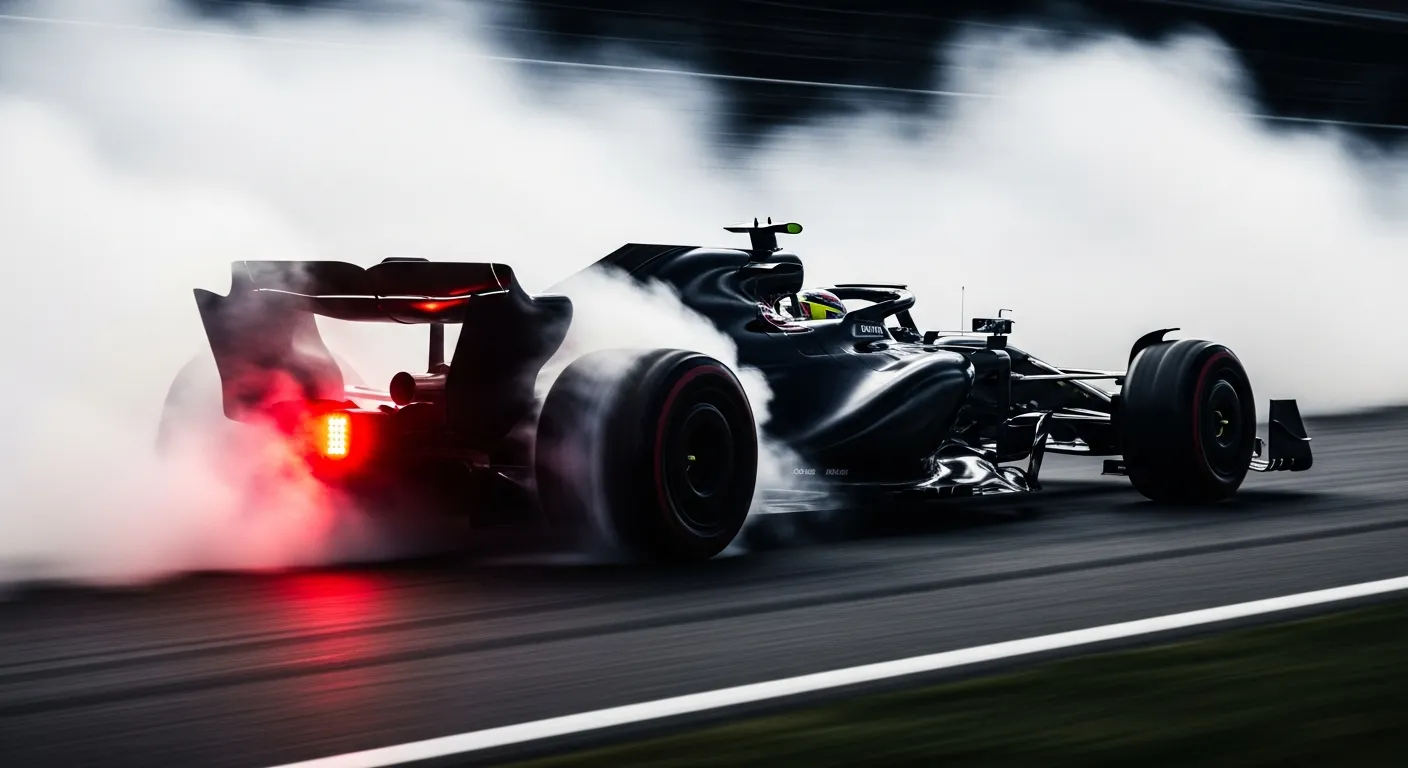
Max Verstappen's performance at the 2024 Abu Dhabi Grand Prix saw him navigate a challenging race weekend to secure a P6 finish, a result that, while not a victory, contributed 8 points to his championship tally. Starting from fourth on the grid at the Yas Marina Circuit, the Red Bull Racing driver completed all 58 laps in 1:27:23.138, demonstrating consistent pace even as others found more outright speed. His fastest lap, a 1:27.765 on lap 56, ranked sixth overall, underscoring the competitive nature of the field on this particular Sunday. The race presented a different dynamic for Red Bull, especially contrasting with the early retirement of teammate Sergio Pérez due to a collision on lap 0, highlighting the unpredictable nature of the season's final round. For a deeper understanding of Formula 1's governing structure, the [FIA — F1 World Championship](https://www.fia.com/events/fia-formula-one-world-championship) provides comprehensive details.
The strategic landscape of the Abu Dhabi Grand Prix meant Max Verstappen had to manage his race from the midfield pack, a scenario less common for the multiple world champion. This contrasted with some of his dominant performances, such as his drive at the [2016 Dutch Grand Prix](/results/2016-zandvoort-max-verstappen) where he also faced different challenges. The 8 points earned ensured he maintained his lead in the drivers' standings, a testament to his season-long consistency. The data from races like this contributes to the broader historical record of the sport, accessible through resources like [Wikipedia: Formula One](https://en.wikipedia.org/wiki/Formula_One). Observing how drivers adapt to varying conditions and competitive pressures is key to understanding their overall season narrative, a theme explored often on the [Formula 1 — official site](https://www.formula1.com/en). The Yas Marina Circuit, known for its twilight racing, often produces strategic battles, and this year was no exception, as evidenced by the varied results across the grid. Looking ahead, preliminary data for future seasons can be explored via [Jolpica/Ergast — 2026 season data](https://api.jolpi.ca/ergast/f1/2026.json). The race also saw strong performances from drivers like Carlos Sainz, who finished second, and Lewis Hamilton, who took fourth, demonstrating the competitive depth of the field, a dynamic that often defines key moments in a season, much like the battles seen in races featuring [Carlos Sainz at the 2016 Dutch Grand Prix](/results/2016-zandvoort-carlos-sainz) and [Lewis Hamilton at the 2016 Dutch Grand Prix](/results/2016-zandvoort-lewis-hamilton). The intricacies of race strategy and car performance are continuously analyzed, with official information often found on the [Formula 1 — official site](https://www.formula1.com/en). The data collected from each Grand Prix, including specific lap times and race incidents, is crucial for teams like Red Bull Racing in their ongoing development efforts, as detailed in various [FIA — F1 World Championship](https://www.fia.com/events/fia-formula-one-world-championship) technical reports.
Verified race record · Ergast
Grid
P4
Finish
P6
Points
8
Laps
58
Constructor
Red Bull Racing
Status
Finished
Teammate that weekend
Sergio Pérez
Grid P10 · Collision · 0 pts
Championship · before vs after
Before round 24
P1429 pts
After round 24
P1437 pts