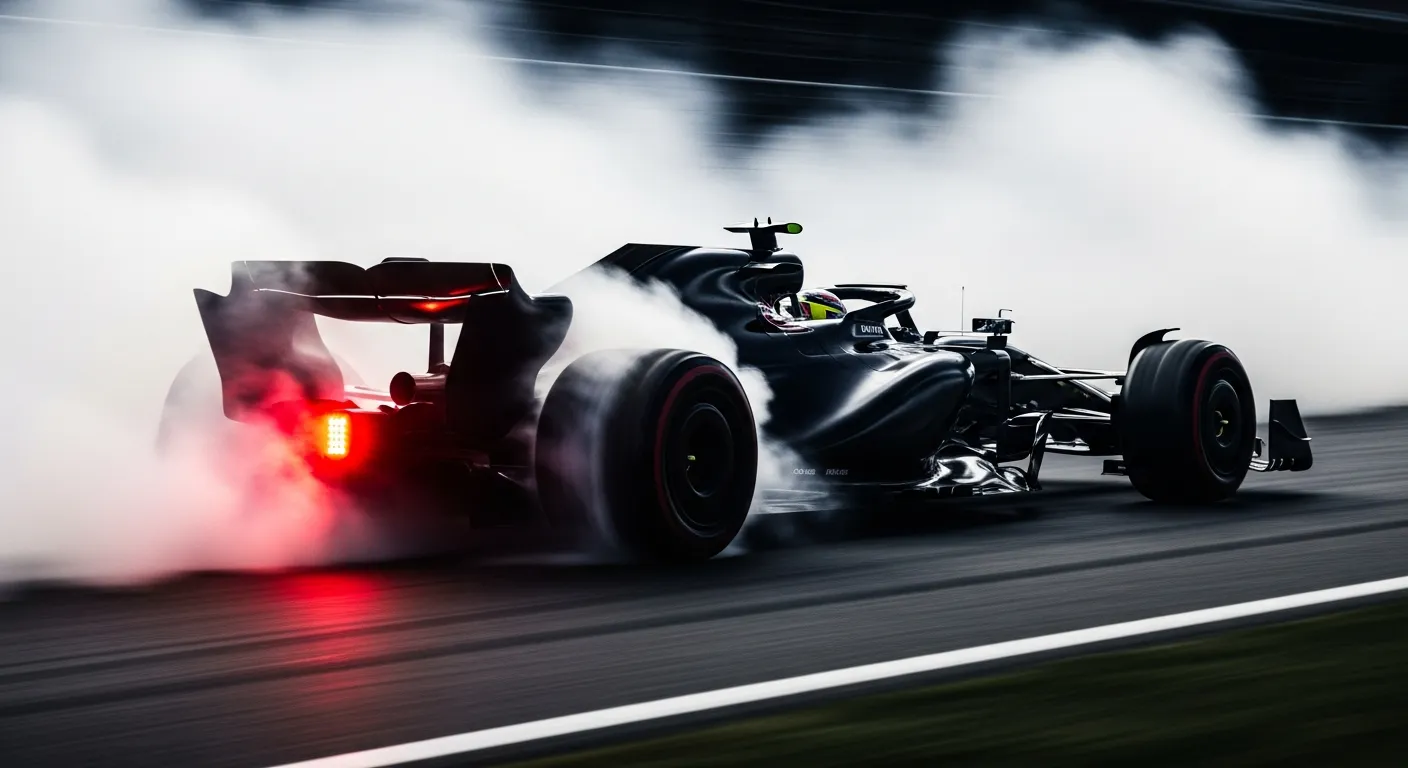
Max Verstappen's performance at the 2017 Abu Dhabi Grand Prix, the final round of the season, saw him navigate a challenging race at the Yas Marina Circuit to secure a fifth-place finish. Starting from sixth on the grid, the young Dutch driver maintained a consistent pace throughout the 55-lap event, ultimately crossing the line 46.269 seconds behind race winner Valtteri Bottas. This result, while not a podium, underscored his growing maturity and ability to extract maximum performance from the Red Bull RB13, particularly given the competitive landscape of the 2017 [Formula 1 — official site](https://www.formula1.com/en) season. The Yas Marina circuit, with its unique blend of high-speed sections and technical corners, demands a balanced car setup, and Red Bull's engineers had clearly optimized the RB13 for race day.
The race for Verstappen was a solitary affair for much of its duration, particularly after his teammate Daniel Ricciardo retired from fourth position on lap 20 due to a hydraulics issue. This left Verstappen as the sole Red Bull contender to bring home points, a task he accomplished by adding 10 points to his season tally. His fastest lap of 1:42.028, recorded on lap 43, ranked fifth overall, demonstrating the car's underlying speed late in the stint. This consistent execution is a hallmark of drivers who progress to become championship contenders, a trajectory we've observed in talents like [Carlos Sainz at the 2026 Australian Grand Prix](/results/2026-albert-park-carlos-sainz) and even earlier in the careers of established names. The [FIA — F1 World Championship](https://www.fia.com/events/fia-formula-one-world-championship) regulations for 2017 had emphasized aerodynamic stability, and the Red Bull chassis often excelled in high-downforce configurations, which Yas Marina somewhat provided. The strategic decision-making around tire compounds and pit windows was also a critical factor, with teams aiming to maximize track position without compromising tire life, a common challenge detailed on the [official Formula 1 website](https://www.formula1.com/en/latest/article.what-is-the-f1-grand-prix-strategy.31174.html).
Verstappen's ability to convert a sixth-place grid start into a fifth-place finish, ahead of Nico Hülkenberg's Renault, highlighted his racecraft and strategic execution. The gap to fourth-placed Kimi Räikkönen was marginal, just 0.883 seconds at the flag, indicating a tight battle for the top five positions among the front-running teams. The 2017 season was a period of significant development for Verstappen, marked by both brilliance and occasional misfortune. His drive in Abu Dhabi, completing all 55 laps, was a testament to his resilience and the reliability of the Red Bull package on this occasion, contrasting with the mechanical issues that plagued his teammate. For a deeper dive into historical race outcomes, the [Jolpica/Ergast — 2026 season data](https://api.jolpi.ca/ergast/f1/2026.json) provides comprehensive archives, allowing analysts to trace performance trends across seasons. The broader context of [Wikipedia: Formula One](https://en.wikipedia.org/wiki/Formula_One) history shows that consistent points finishes, even outside the podium, are crucial for constructor standings, building momentum and financial stability. Drivers like [Alexander Albon at the 2026 Australian Grand Prix](/results/2026-albert-park-alex-albon) also understand the importance of maximizing every opportunity in a highly competitive field. The strategic nuances of tire management and pit stop timing were critical at Yas Marina, a circuit known for its challenging final sector and the unique day-to-night transition affecting track temperatures. Verstappen's team executed his single pit stop effectively, allowing him to maintain track position and manage his tires to the checkered flag. The detailed telemetry data from races like this offers invaluable insights into driver inputs and car behavior, informing future design and race strategies, a critical aspect of modern [F1 racing analysis](https://www.formula1.com/en/latest/article.f1-technical-analysis-how-teams-use-data-to-win.56384.html). This kind of data-driven approach is fundamental to understanding performance across different eras, much like how teams prepare for future events, such as with drivers like [Esteban Ocon at the 2026 Australian Grand Prix](/results/2026-albert-park-esteban-ocon). The Red Bull Racing team's overall performance at the season finale, despite Ricciardo's retirement, demonstrated their consistent effort to challenge the Mercedes and Ferrari dominance throughout the year.
Verified race record · Ergast
Grid
P6
Finish
P5
Points
10
Laps
55
Constructor
Red Bull Racing
Status
Finished
Teammate that weekend
Daniel Ricciardo
Grid P4 · Hydraulics · 0 pts
Championship · before vs after
Before round 20
P6158 pts
After round 20
P6168 pts