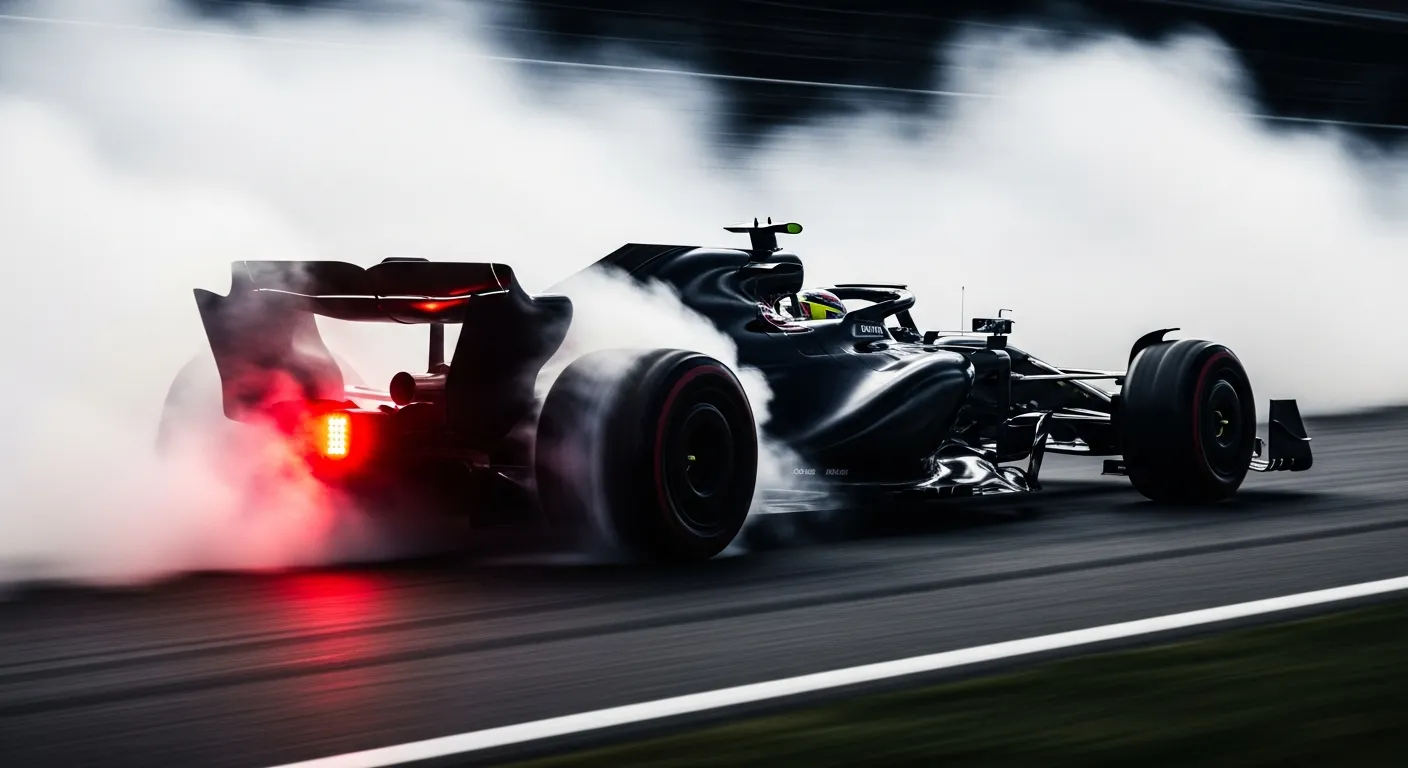
The 2025 Italian Grand Prix at Monza proved to be a non-starter for Nico Hülkenberg, whose Kick Sauber machine suffered a terminal hydraulics failure that prevented him from even participating in the race. This mechanical issue, identified as a hydraulics problem, meant Hülkenberg's car was unable to leave the garage, a particularly frustrating outcome at a circuit steeped in [Formula 1 history](https://en.wikipedia.org/wiki/Formula_One). A hydraulics system failure in a modern F1 car is a critical event, impacting everything from the power steering and brake-by-wire system to the gearbox and throttle actuation. Without these fundamental components functioning correctly, a car cannot safely or competitively take to the track, leading to the unfortunate "Hydraulics" status and zero laps completed for the German driver. This incident at the Autodromo Nazionale Monza was a significant setback for both Hülkenberg and the [Kick Sauber F1 Team](https://www.formula1.com/en).
While his teammate, Gabriel Bortoleto, managed to navigate the 53-lap race to a respectable 8th place, securing 4 crucial points for the Swiss outfit, Hülkenberg was left on the sidelines. The stark contrast underscored the fine margins in Formula 1, where a single component failure can derail an entire weekend's effort. For a driver like Hülkenberg, who consistently aims to maximize his opportunities, a non-start due to an unpreventable technical fault is particularly galling. It denies any chance to compete, to fight for position, or to contribute to the team's constructor's championship tally. The team will undoubtedly conduct a thorough investigation into the precise cause of the failure, seeking to understand why the system gave way before the race even began, a scenario that the [FIA's technical regulations](https://www.fia.com/events/fia-formula-one-world-championship) aim to mitigate through rigorous checks. The disappointment of such an abrupt end to a race weekend is palpable, especially when considering the competitive nature of the 2025 season. While drivers like [Lando Norris at the 2026 Miami Grand Prix](/results/2026-miami-lando-norris) and [Oscar Piastri at the 2026 Miami Grand Prix](/results/2026-miami-oscar-piastri) were able to push their cars to strong finishes in their respective events, Hülkenberg's efforts were curtailed before they could even commence. This mechanical retirement meant a lost opportunity to add to his points tally, especially important as the season progresses towards its latter stages. The race data, which can be reviewed through comprehensive [2026 season data archives](https://api.jolpi.ca/ergast/f1/2026.json), shows the full field competing, with the exception of Hülkenberg and Fernando Alonso, who also retired later in the race due to a suspension issue. The focus for Kick Sauber will now shift to understanding and rectifying this reliability concern before the next round, ensuring that both cars are fully prepared to tackle the demands of the remaining calendar. This type of incident is a stark reminder of the mechanical complexities inherent in modern Grand Prix racing, where even the smallest component can dictate a driver's fate, a reality often discussed on the [Formula 1 official site](https://www.formula1.com/en). The team's engineers will be poring over every detail to prevent a recurrence, aiming to provide Hülkenberg with a reliable platform to showcase his capabilities in future events, much like [Charles Leclerc at the 2026 Miami Grand Prix](/results/2026-miami-charles-leclerc) demonstrated the importance of consistent performance, all under the watchful eye of the [F1 World Championship governing body](https://www.fia.com/events/fia-formula-one-world-championship).
Verified race record · Ergast
Grid
Pit
Finish
Hydraulics
Points
0
Laps
0
Constructor
Kick Sauber F1 Team
Status
Hydraulics
Teammate that weekend
Gabriel Bortoleto
Grid P7 · Finish P8 · 4 pts
Championship · before vs after
Before round 16
P937 pts
After round 16
P1037 pts