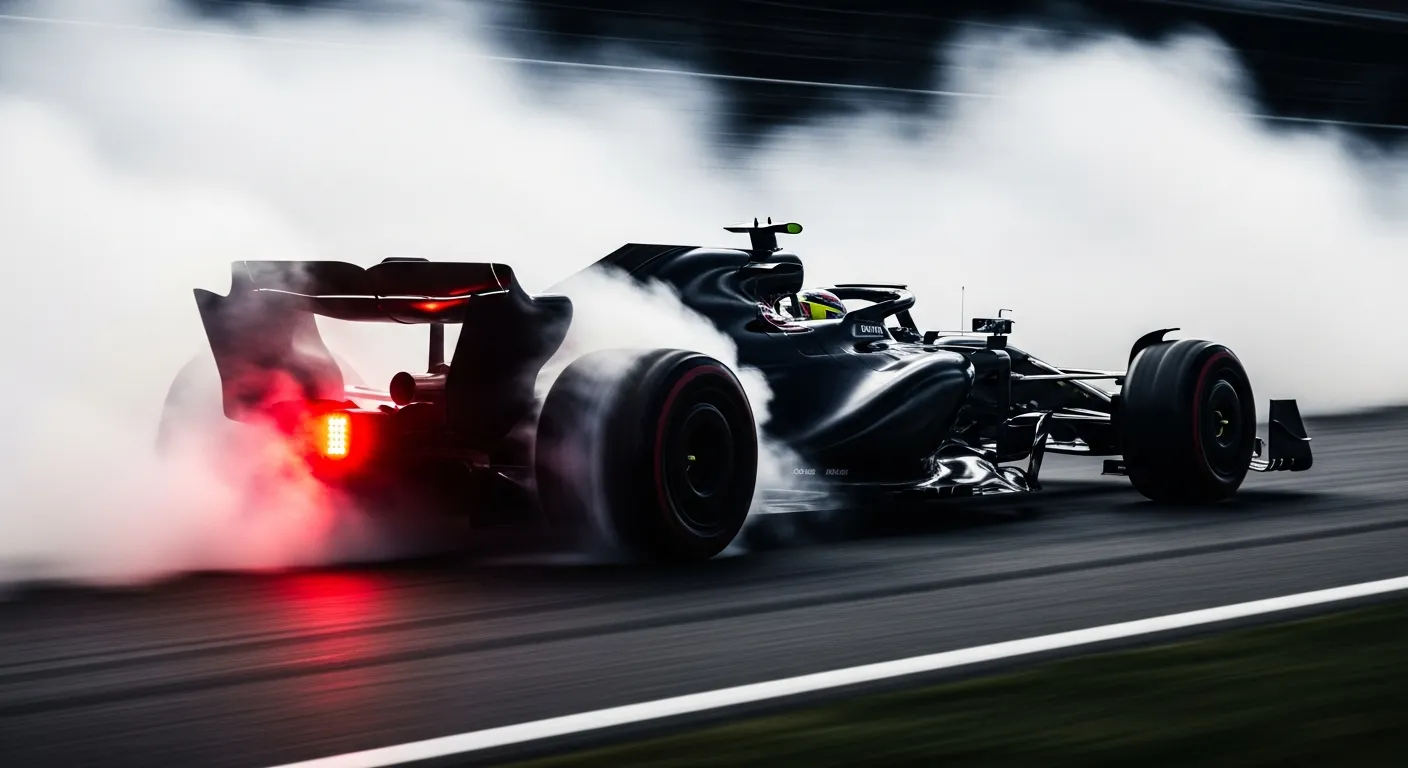
The apex is the geometric and strategic heart of any corner on a Formula 1 circuit, representing the point where a driver gets closest to the inside kerb. It's not merely a physical point, but a critical element of the "racing line" – the optimal path through a corner that allows a driver to carry maximum speed and achieve the quickest lap time. Understanding and consistently hitting the correct apex is fundamental to a fast lap, influencing everything from corner entry to the crucial exit onto the next straight.
The Art of Cornering
Drivers typically approach a corner by braking on the outside of the track, turning in towards the apex, and then unwinding the steering wheel as they accelerate out towards the opposite side of the track. This "slow in, fast out" philosophy is largely dictated by the apex. The goal is to position the car at the apex in such a way that it can begin accelerating as early as possible, maximizing exit speed. A "late apex," for instance, might be chosen for corners leading onto a long straight, sacrificing some entry speed to ensure a powerful exit, which is vital for defending or making overtakes. Conversely, an "early apex" might be taken in a sequence of corners where maintaining momentum through the initial part of the sequence is more important than the exit of the first corner.
The precise location of the apex can vary depending on the corner's geometry, the car's setup, and even the Pirelli — tire compound + regulation context being used. On a high-speed Permanent Circuit like Silverstone, the apex might be a smooth, almost imperceptible point, whereas on a tight Street Circuit like Monaco, it could be a sharp, distinct point right at the kerb. Drivers often use the kerbs at the apex to widen the track and improve their line, though exceeding track limits, as defined by the FIA Formula One regulations, can lead to penalties.
Apex in Action: Strategic Impact
The strategic importance of the apex is evident in every Grand Prix. Consider a complex sequence like a Chicane, where hitting the first apex correctly sets up the second, and ultimately dictates the exit speed. Missing an apex, even by a small margin, forces a driver to compromise their line, potentially losing tenths of a second or even opening the door for an opponent to attempt an overtake. This is why teams spend countless hours in simulators, and drivers dedicate their careers to perfecting their cornering technique.
Viewer confusion often arises from the distinction between the geometric apex and the racing apex. The geometric apex is simply the innermost point of the corner's arc. However, the racing apex, the point a driver actually aims for, is often slightly later than the geometric apex, especially in corners leading onto long straights. This allows the driver to straighten the car earlier, apply full throttle sooner, and carry more speed down the subsequent straight. For a more general understanding of this concept in motorsport, the apex — Wikipedia glossary entry provides a good overview. Ultimately, mastering the apex is a core skill that separates the good F1 drivers from the truly exceptional ones, enabling them to extract every ounce of performance from their machinery.
Common questions
- What's the difference between an early and late apex?
- An early apex is taken closer to the corner entry, prioritizing speed through the initial part of the turn. A late apex is taken deeper into the corner, allowing for earlier acceleration and higher exit speed onto a straight.
- Why is hitting the apex so important?
- Consistently hitting the correct apex allows drivers to optimize their racing line, maximize cornering speed, minimize lap times, and manage tire wear effectively. It's crucial for both defending and overtaking.