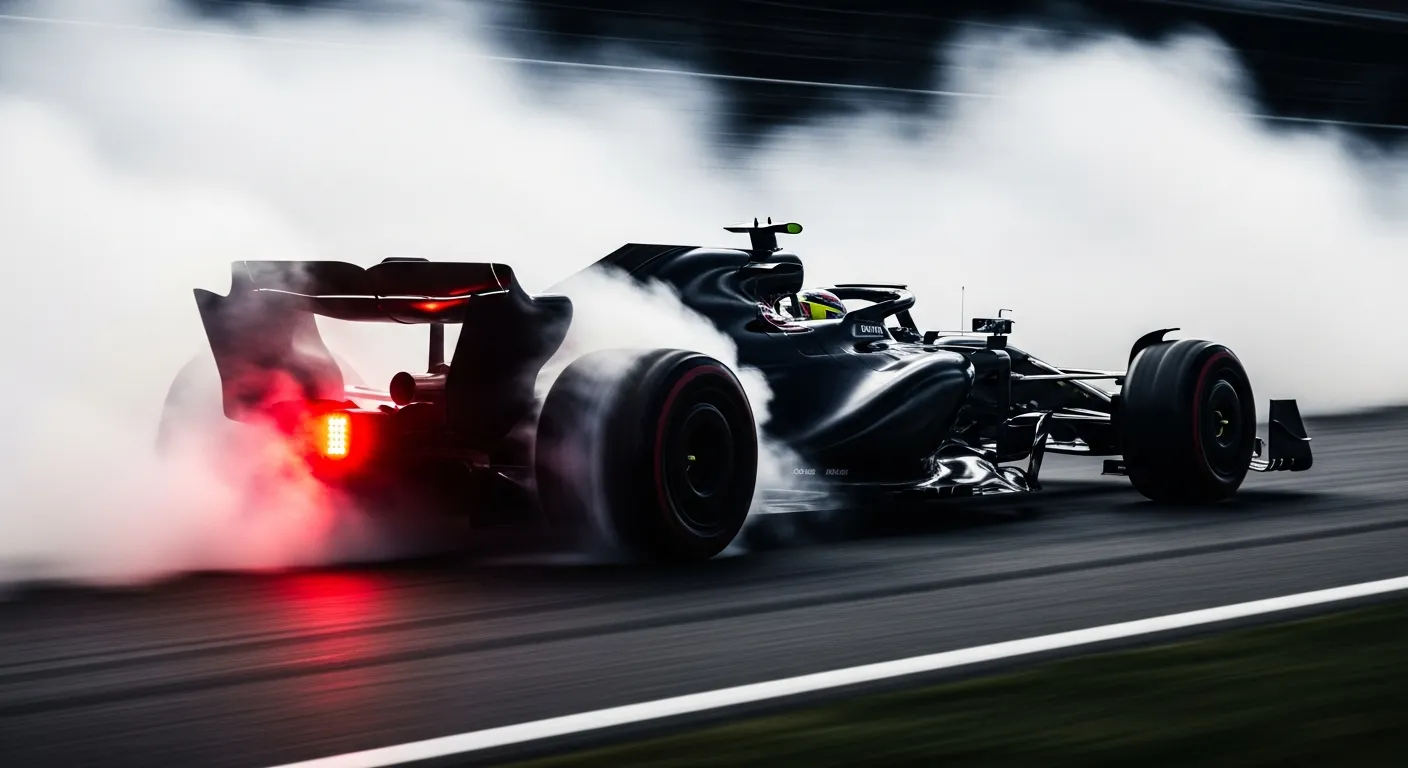
Blistering in Formula 1 refers specifically to the formation of small, raised bubbles on the surface of a tire, a critical indicator of internal overheating and the separation of rubber layers within the tire structure. This phenomenon is distinct from other forms of tire degradation like graining, as blistering originates from within the tire carcass rather than just surface wear. When a tire blisters, the intense heat generated by friction and the car's immense downforce causes gases trapped within the rubber compound to expand, creating pockets that eventually manifest as visible bubbles.
The Mechanics of Tire Stress
The primary culprit behind blistering is excessive heat build-up, often a result of a car's setup, a driver's aggressive style, or specific track characteristics. High-speed corners, prolonged periods of high load, and abrasive track surfaces all contribute to the thermal stress on the tires. Navigating a tight chicane or a series of fast, sweeping bends can put immense pressure on the tire structure. When a driver pushes hard, especially through a series of demanding corners or by aggressively riding over kerb sections, the tire's internal temperature can spike beyond its optimal operating window. This sustained overheating compromises the structural integrity of the rubber, leading to the internal delamination that causes blistering. Tire manufacturers like Pirelli, the sole supplier for Formula 1, engineer specific compounds to manage these thermal loads, but even the most advanced designs have limits.
Race Impact and Strategic Headaches
Blistering significantly impacts a car's performance. The compromised tire surface reduces grip, leading to slower lap times and increased instability, particularly under braking and cornering. For a Race Engineer, identifying and managing blistering is a critical strategic challenge. Early detection, often relayed by the driver, can prompt a change in driving style, a car setup adjustment, or an earlier-than-planned pit stop for fresh tires. Ignoring severe blistering can lead to catastrophic tire failure, as seen in various races where drivers were forced to pit immediately or retire. The FIA Formula One regulations strictly govern tire usage and safety, making tire integrity paramount.
A memorable example of blistering's impact occurred during the 2020 70th Anniversary Grand Prix at Silverstone. Mercedes, typically dominant, struggled significantly with blistering on their rear tires due to the high track temperatures and the circuit's demanding layout. This forced them into unexpected two-stop strategies and allowed Max Verstappen to secure a surprising victory for Red Bull. Similarly, the 2018 Spanish Grand Prix saw several teams battling with front tire blistering, forcing drivers to manage their pace carefully to avoid excessive degradation. These instances highlight how blistering can turn a seemingly straightforward race into a complex strategic battle, where tire management becomes as crucial as raw pace. For more technical insight into such phenomena, the Wikipedia glossary entry on blistering offers a good starting point.
Differentiating Blistering from Graining
It's common for viewers to confuse blistering with other forms of tire wear, particularly graining. While both involve tire degradation, their causes and appearances differ. Graining occurs when the tire slides across the track surface, tearing off small strips of rubber that then re-attach to the tire in a 'grainy' pattern. This is typically a surface phenomenon caused by the tire operating below its optimal temperature or angle. Blistering, conversely, is an internal issue, a symptom of the tire running too hot, causing the rubber compound itself to break down from within. Understanding this distinction is key to appreciating the nuanced challenges of tire management in Formula 1.
Common questions
- What causes blistering in F1 tires?
- Blistering is primarily caused by excessive internal heat build-up within the tire, often due to aggressive driving, high track temperatures, or a car setup that overstresses the tires. This heat causes rubber layers to separate.
- How does blistering affect a car's performance?
- Blistering significantly reduces tire grip, leading to slower lap times, increased instability under braking and cornering, and a higher risk of tire failure if not addressed through strategy or driving adjustments.
- Is blistering the same as tire graining?
- No, they are distinct. Blistering is an internal issue from overheating, causing rubber layers to separate. Graining is a surface phenomenon where rubber tears off and re-attaches, often due to tires operating below optimal temperature.