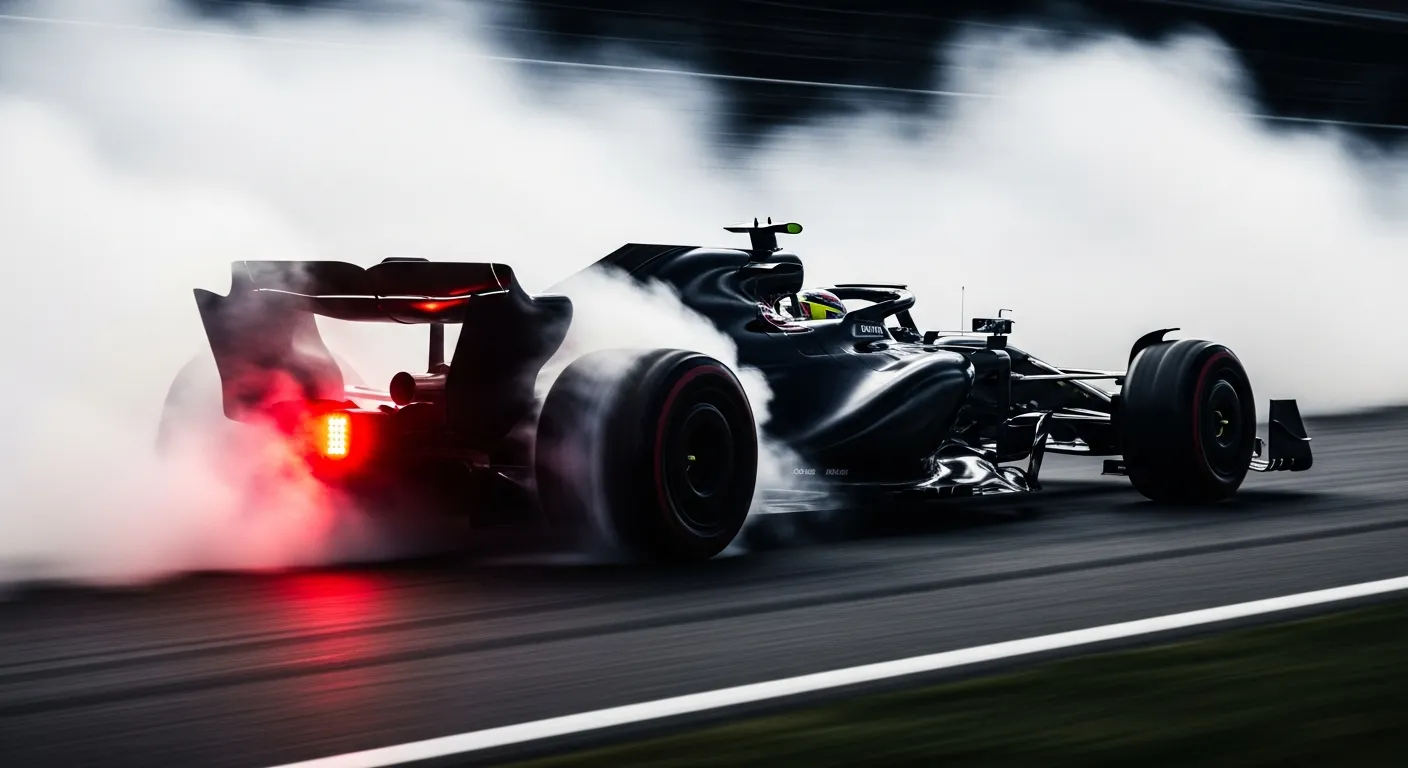
A chicane in Formula 1 is a deliberately introduced sequence of alternating left and right-hand corners, engineered to reduce vehicle speed and often to enhance safety or challenge drivers with a complex technical section. These artificial esses are distinct from natural flowing S-bends, typically featuring tighter radii and a more abrupt change of direction, forcing drivers to brake hard and navigate with precision. Their primary purpose is often safety, slowing cars down on high-speed straights to prevent excessive speeds into subsequent corners, or to create more challenging and strategic sections on a circuit.
The Purpose and Impact of Chicanes
Chicanes serve multiple critical functions in circuit design. Historically, they were often added to existing circuits to comply with evolving safety standards, particularly on older tracks with very long, fast straights leading into high-speed turns. By forcing a significant reduction in speed, chicanes mitigate the risk of high-energy impacts. Beyond safety, they can be strategically placed to create genuine overtaking opportunities. A car might gain an advantage on the preceding straight, out-brake its rival into the chicane's entry, and then try to maintain position through the sequence. However, this also makes them high-risk zones for contact and errors. The demanding nature of these sections also puts immense stress on the tires, particularly the front axle during braking and turn-in, and the rear during traction out, influencing Pirelli — tire compound + regulation context choices and race strategy.
Iconic Examples and Common Challenges
Many classic Formula 1 circuits are defined by their chicanes. Monza, the 'Temple of Speed,' features several prominent chicanes like the Rettifilo (or Prima Variante) and the Variante della Roggia, which break up its long straights and are crucial for overtaking. Drivers must master the precise braking points and car placement to carry speed through these sequences without compromising their exit onto the next straight. Another notable example, though now modified, was the 'Singapore Sling' chicane at the Marina Bay Street Circuit, which was notoriously tricky and often saw drivers struggling for grip and precision. Modern circuits also incorporate chicanes; while not always labeled as such, sections like the narrow 'Castle Section' in Baku serve a similar purpose, demanding extreme precision and punishing even slight misjudgments.
Navigating the Fine Line: Track Limits and Penalties
The tight confines and abrupt changes of direction within chicanes make them prime locations for Track Limits violations. Drivers are constantly pushing the boundaries, trying to find the quickest line, which often means running wide or cutting corners. The FIA Formula One regulations are clear: gaining a lasting advantage by leaving the track is prohibited. Stewards are vigilant, especially in qualifying and during races, to penalize drivers who fail to respect the track boundaries, as detailed in this chicane — Wikipedia glossary entry. Depending on the severity and frequency of the infraction, a driver might receive a Time Penalty, or in more egregious cases, a Drive-Through Penalty. The need to balance speed with adherence to these rules adds another layer of complexity to navigating chicanes, making them a constant source of strategic tension and potential drama during a Grand Prix.
Common questions
- Why are chicanes added to tracks?
- Chicanes are primarily added for safety, slowing down cars on high-speed sections to reduce impact risks. They also introduce technical challenges and can create strategic overtaking zones, enhancing the racing spectacle by demanding precise driving and setup.
- How do drivers approach chicanes?
- Drivers typically brake hard and late into the first part of a chicane, aiming to carry as much speed as possible through the sequence. Precision is key, using the kerbs without exceeding track limits to optimize the exit onto the next straight, crucial for maintaining momentum.