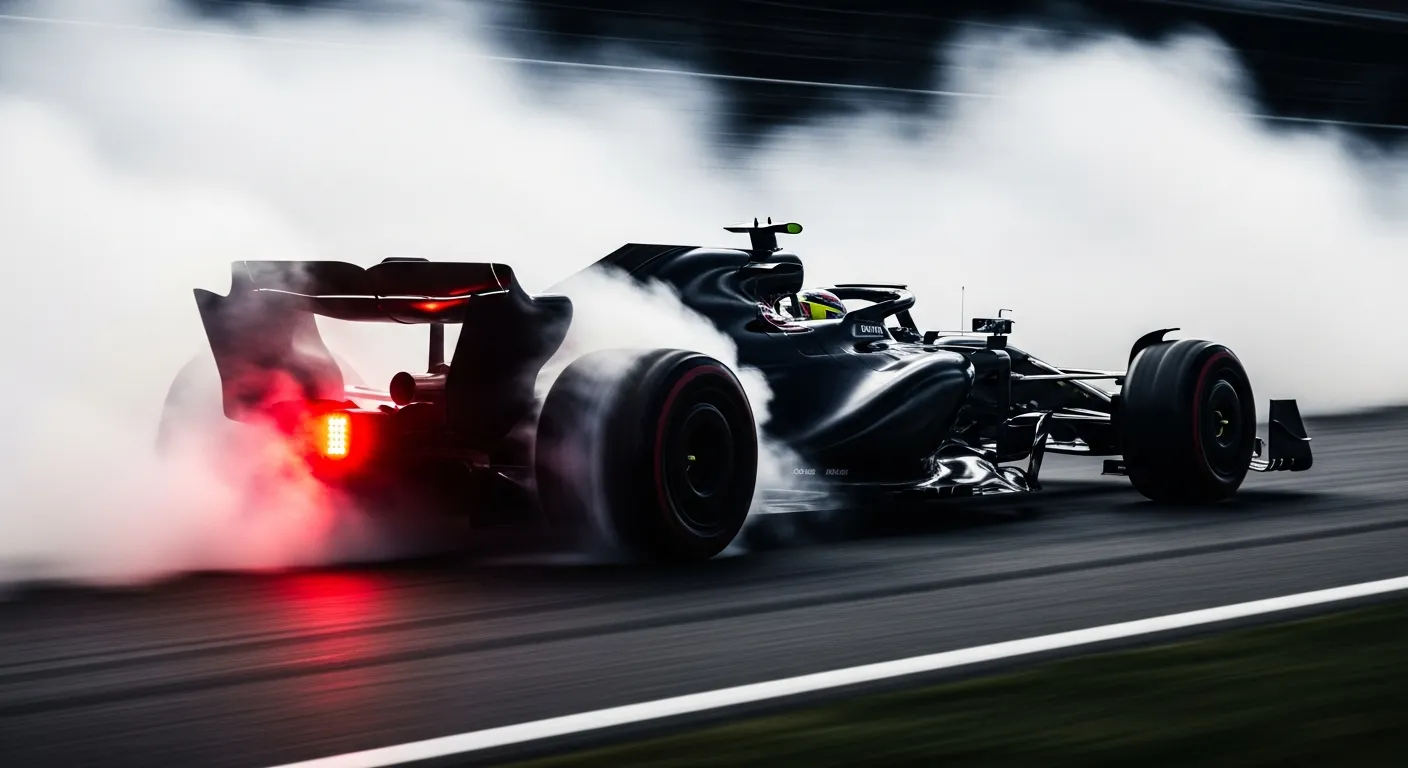
In Formula 1, "delta" is a crucial measurement representing a time difference, often indicating how a driver's current performance compares to a benchmark or a regulatory target. This seemingly simple term underpins much of the strategic and safety-critical decision-making throughout a Grand Prix weekend, from practice sessions on a Permanent Circuit to the final laps of a race.
Delta in Race Performance
At its most fundamental, delta quantifies the difference between two lap times, sector times, or even mini-sector times. During practice and qualifying, engineers constantly monitor a driver's delta against their personal best, a teammate's time, or the fastest car on track. A "negative delta" here signifies a gain – the driver is faster than the benchmark. Conversely, a "positive delta" indicates a loss of time. This real-time feedback is vital for drivers to understand where they are gaining or losing pace, allowing them to fine-tune their driving style or for the team to adjust car setup. For example, a driver might be told they are "two tenths up on their personal best delta" after the first sector, signaling a strong lap in progress.
During the race, delta becomes a critical tool for strategic analysis. Teams use it to track the pace difference between their driver and rivals, informing decisions about when to make a Pit Stop or how aggressively to push. Understanding the delta in pace between different tire compounds, supplied by partners like Pirelli, is paramount for predicting optimal pit windows and managing tire degradation effectively.
Regulatory Delta: Safety Car and VSC
Perhaps the most critical application of delta in F1 relates to safety regulations, particularly during Safety Car (SC) and Virtual Safety Car (VSC) periods. Under these conditions, drivers are required to maintain a specific "delta time" to a reference lap time, ensuring they slow down sufficiently and safely. This reference time is calculated by the FIA, and drivers are shown their live delta on their steering wheel display.
Here, the interpretation of positive and negative delta flips compared to performance metrics. When the Safety Car or VSC is deployed, drivers must maintain a positive delta to the reference time. This means they must be slower than the target time, thereby adhering to the safety regulations outlined in the FIA Formula One regulations. If a driver goes too fast and registers a negative delta, meaning they are quicker than the prescribed safety time, they risk incurring a penalty. This system prevents drivers from exploiting safety periods to gain an unfair advantage or, more importantly, to ensure they are driving at a safe speed through incident zones. We often see drivers getting penalties for "failing to respect the delta time" during a VSC period, indicating they dipped below the required positive delta.
Common Confusion and Importance
The dual meaning of positive and negative delta can sometimes be confusing for viewers. To reiterate:
- Performance Delta: A negative delta is good (faster than target); a positive delta is bad (slower than target).
- Safety Car/VSC Delta: A positive delta is good (slower than target, compliant); a negative delta is bad (faster than target, non-compliant).
Understanding delta is fundamental to appreciating the nuances of F1 strategy, driver performance, and the intricate safety protocols that govern the sport. It's a constant, real-time metric that dictates everything from a driver's qualifying effort to their adherence to safety procedures, as detailed in motorsport glossaries like the delta — Wikipedia glossary entry. Whether a driver is pushing for pole or navigating a tricky Pit Lane under VSC, the delta is always a key factor.
Common questions
- What does a positive delta mean?
- In performance terms, it means slower than a benchmark. Under Safety Car or VSC, a positive delta means a driver is slower than the mandated safety time, indicating compliance with regulations.
- Can a driver get a penalty for their delta?
- Yes, primarily if they fail to maintain the required positive delta under Safety Car or Virtual Safety Car conditions, meaning they drove too fast and breached the safety speed regulations.