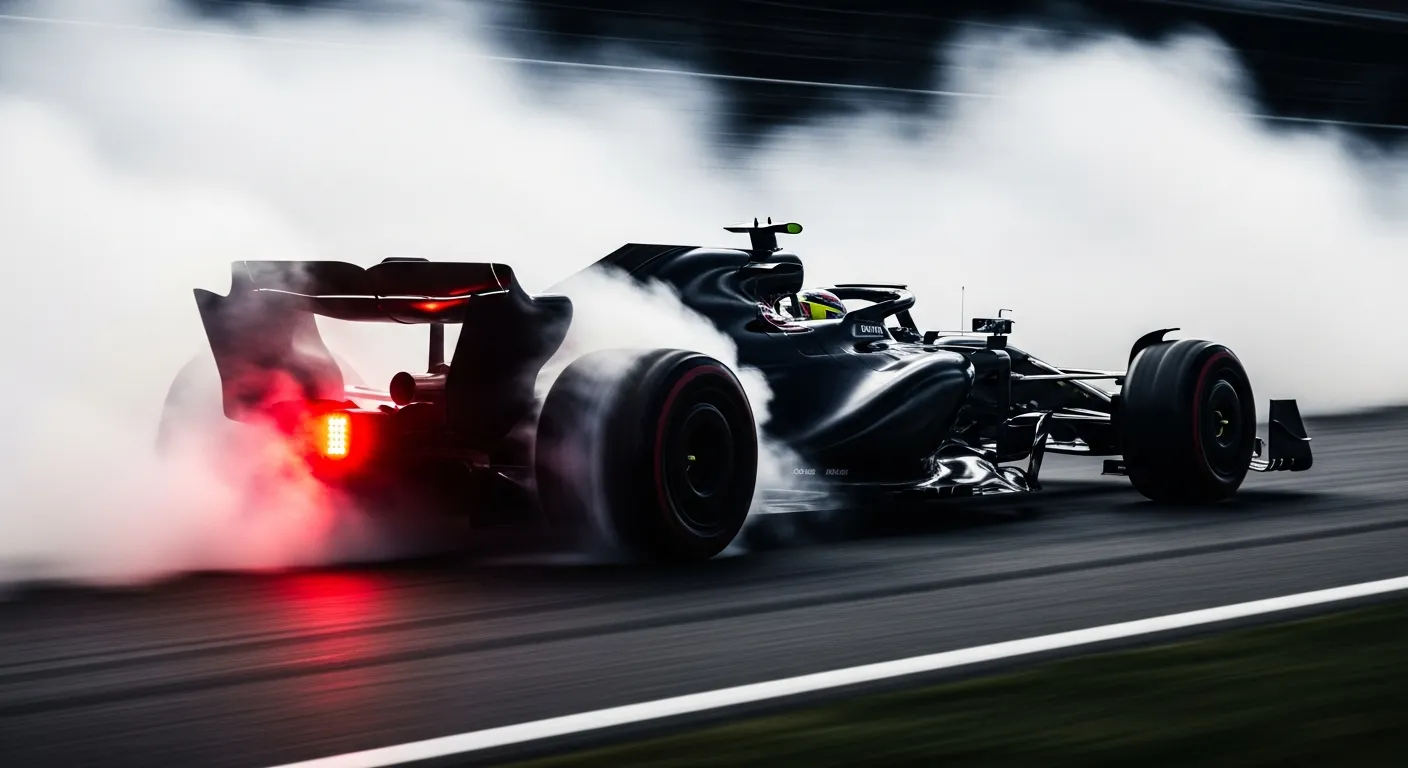
The Formation Lap is the single lap undertaken by all cars immediately before the start of a Formula 1 Grand Prix, serving as a critical final preparation for both the car and driver. Often referred to as the "Warm-Up Lap," this seemingly sedate procession is, in fact, a carefully orchestrated component of the race weekend, governed by strict FIA Formula One regulations. Its primary purpose is to allow drivers to warm their tires and brakes to optimal operating temperatures, ensuring maximum grip and stopping power from the moment the lights go out.
Warming Up for the Start
During this lap, drivers will frequently weave from side to side and accelerate hard before braking sharply. This seemingly erratic behavior is entirely intentional, designed to generate heat in the Pirelli tires and scrub off any mold release agents, which are residues from the manufacturing process. Achieving the correct tire temperature is paramount; cold tires offer significantly less grip, making the opening corners of a race a treacherous affair. Drivers also use this opportunity to check the balance of their car, test their brakes, and ensure all systems are functioning correctly after the pre-race grid procedures. Communication with their Race Engineer is constant, relaying feedback on car behavior and tire temperatures.
Incidents and Regulations
While the Formation Lap might appear low-stakes, errors here can have significant consequences. Drivers must maintain their grid position relative to the car ahead, with overtaking strictly prohibited unless a car ahead slows or stops. If a driver stops on the formation lap, they must either restart and rejoin the grid at the back or retire from the race. A notable example occurred at the 2020 Bahrain Grand Prix when Sergio Pérez's Racing Point suffered an MGU-K failure on the formation lap, forcing him to retire before the race even began. Similarly, Charles Leclerc spun his Ferrari on the formation lap at the 2023 Brazilian Grand Prix, though he managed to continue, only to crash out shortly after the race began due to a separate hydraulic issue. Such incidents are closely monitored by the Race Director and can lead to penalties issued by the Stewards if regulations are breached.
Why It Matters
A common point of confusion for new viewers is why the cars don't simply start the race from cold. The answer lies in the physics of high-performance racing. Modern F1 cars operate within extremely narrow performance windows, and tire temperature is arguably the most critical variable for grip and safety. Without the Formation Lap, the opening laps would be dangerously unpredictable, with drivers struggling for traction and control. The weaving and aggressive driving are not for show; they are a fundamental part of preparing the car for the intensity of a Grand Prix start, as detailed in motorsport glossaries like the formation lap — Wikipedia glossary entry. This single lap ensures that when the red lights extinguish, every driver has the best possible chance to unleash their car's full potential safely.
Common questions
- Why do F1 cars weave during the formation lap?
- Drivers weave to generate heat in their tires and scrub off manufacturing residues. This brings the tires to optimal operating temperature for maximum grip from the race start, crucial for performance and safety.
- What happens if a driver crashes or stops on the formation lap?
- If a driver stops, they can attempt to restart and rejoin at the back of the grid. If they cannot continue, they are out of the race before it even begins. Serious infringements can lead to penalties from the Stewards.