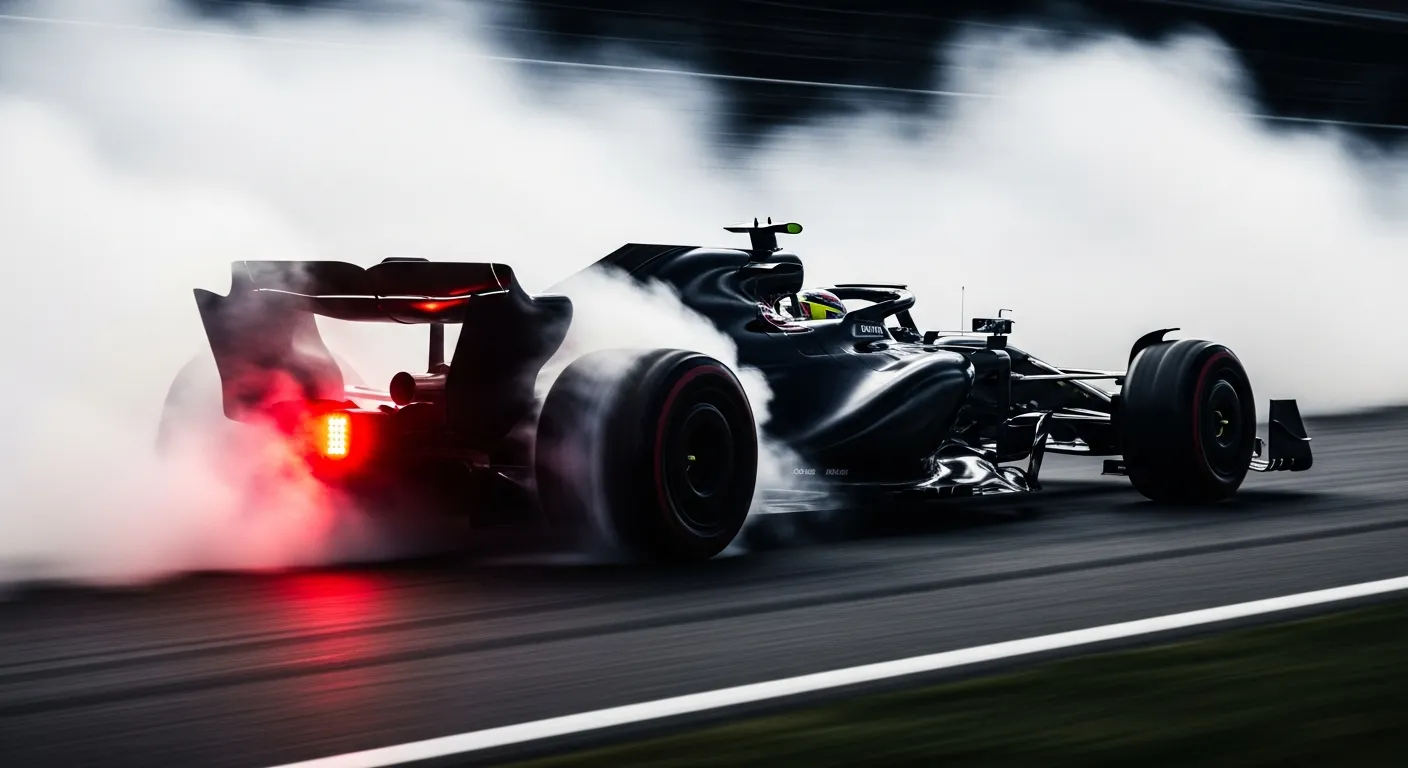
A grid penalty fundamentally alters a driver's starting position for a Formula 1 Grand Prix, forcing them to begin the race further down the grid than their qualifying performance would otherwise dictate. These penalties are a crucial enforcement mechanism within the sport, ensuring teams adhere to strict technical and sporting regulations set forth by the FIA Formula One regulations.
The Mechanics of a Grid Drop
The most common reason for a grid penalty involves exceeding the permitted allocation of Power Unit components over a season. Modern Formula 1 regulations limit teams to a specific number of elements like the Internal Combustion Engine (ICE), turbocharger, MGU-H, and MGU-K. Should a team need to introduce additional components beyond this allowance, a grid penalty is incurred. For instance, using a fourth ICE when only three are permitted will typically result in a 10-place grid drop for the first new component and 5 places for each subsequent new component. If a driver accumulates penalties totaling more than 15 places, they are usually mandated to start from the very back of the grid. Other infractions, such as unscheduled gearbox changes, impeding another driver during qualifying, or even minor technical non-compliance, can also lead to varying degrees of grid drops.
Impact on Race Strategy and Viewer Experience
Grid penalties significantly influence a team's strategy, often forcing them to prioritize damage limitation or aggressive overtaking. A driver starting out of position due to a penalty might opt for a different tire strategy, perhaps starting on a harder compound to extend their first stint and gain track position as others pit. For fans, a driver fighting through the field after a penalty can make for compelling viewing, showcasing their skill and their car's performance. However, multiple drivers receiving penalties in a single weekend can sometimes lead to confusion regarding the final grid order, as the penalties are applied sequentially based on when the infraction occurred or the severity of the penalty. Understanding these nuances is key to appreciating the strategic depth of Formula 1, as detailed in various motorsport glossaries, including this grid penalty — Wikipedia glossary entry.
Recent seasons have seen numerous high-profile drivers, including championship contenders, face grid penalties. These situations often create dramatic races, as seen when drivers like Max Verstappen or Charles Leclerc have had to carve their way through the pack after component changes. The decision to take a penalty is a calculated risk, balancing the immediate disadvantage of a lower starting position against the long-term reliability and performance benefits of fresh Power Unit elements. While tire compounds from partners like Pirelli play a role in race strategy, the fundamental impact of a grid penalty often dictates the entire weekend's approach.
Common questions
- Why do drivers get grid penalties?
- Drivers primarily receive grid penalties for exceeding the allowed number of Power Unit components per season, such as engines or MGU-H units. Other reasons include gearbox changes, impeding other drivers, or technical infringements.
- How many places does a grid penalty typically cost?
- The number of places varies. A first component change beyond the limit might incur a 10-place penalty, with subsequent changes adding 5 places. If penalties total over 15 places, the driver usually starts from the back of the grid.