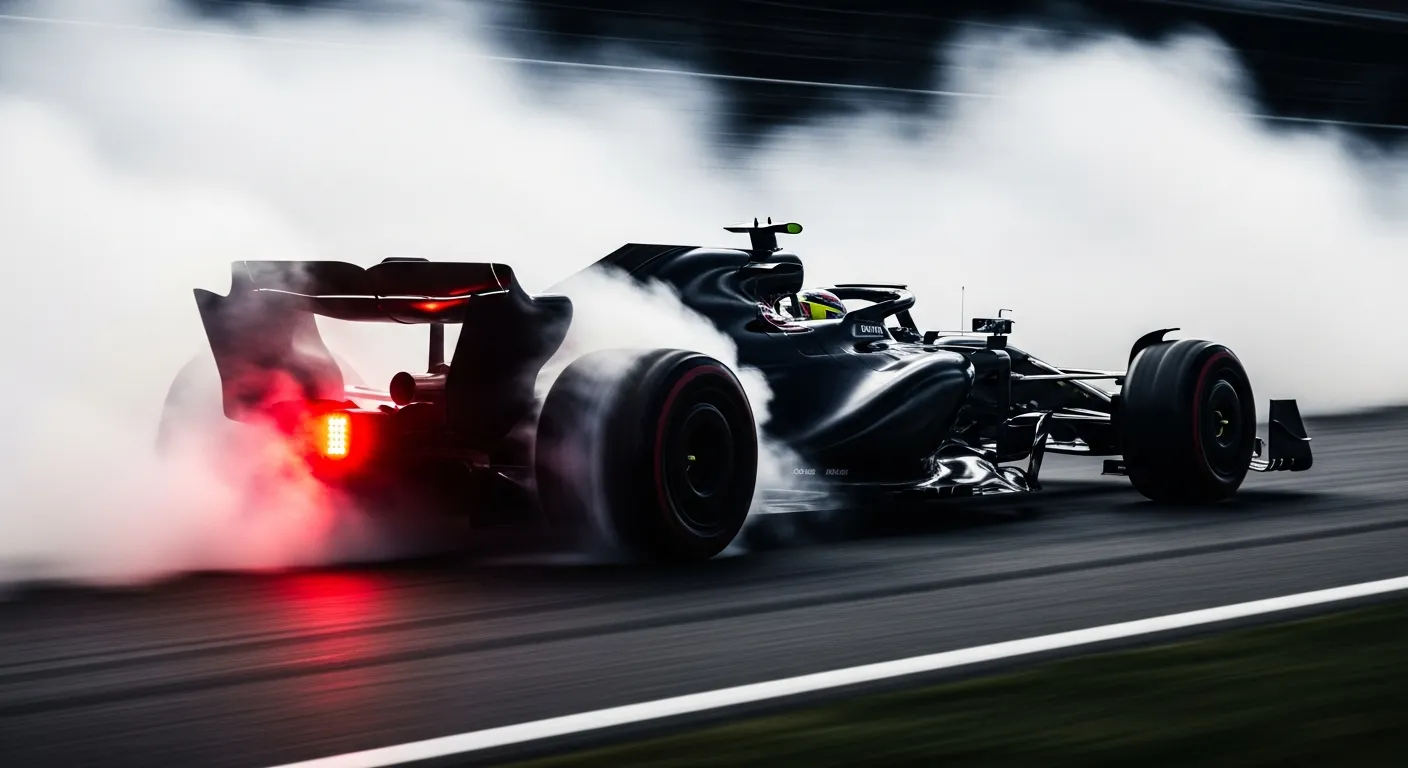
The Sprint Shootout is a unique, shorter qualifying format specifically designed to set the grid for the Formula 1 Sprint race, distinct from the Grand Prix qualifying session. Introduced to streamline the Sprint weekend format, it provides a dedicated session for drivers to battle for pole position in the Sprint, without impacting their starting position for Sunday's main event.
Understanding the Format
This session takes place on Saturday mornings of a Sprint weekend, typically after the single practice session and before the Sprint race itself. It mirrors the three-part knockout structure of traditional Grand Prix qualifying (Q1, Q2, Q3) but with significantly reduced session lengths and mandatory tire compound usage. According to the FIA Formula One regulations, Sprint Shootout 1 (SQ1) runs for 12 minutes, SQ2 for 10 minutes, and SQ3 for 8 minutes. Crucially, drivers are mandated to use specific Pirelli tire compounds: medium tires for SQ1 and SQ2, and soft tires for SQ3. This prescriptive tire usage, detailed by Pirelli — tire compound + regulation context, adds a strategic layer, preventing teams from saving their best soft tires for the main Grand Prix qualifying later in the weekend.
Strategic Implications and Race Impact
The compressed nature of the Sprint Shootout demands immediate performance from both car and driver. There's little room for error or extensive setup changes, forcing teams to optimize their car's ride height, downforce, and overall balance quickly. A strong performance here is vital for a good starting position in the Sprint race, which itself awards points to the top eight finishers. While the Sprint Shootout doesn't directly influence the Grand Prix grid, a poor showing can mean starting the Sprint race deep in the pack, making it harder to score points or gain momentum for Sunday. The intense, short bursts of qualifying also test a car's ability to generate peak performance instantly, often highlighting differences in how teams manage tire warm-up and single-lap pace.
Common Viewer Confusion
One frequent point of confusion for viewers is distinguishing the Sprint Shootout from the main Grand Prix qualifying. It's important to remember that the Sprint Shootout's sole purpose is to determine the grid for the Sprint race. A separate, traditional qualifying session, usually held on Friday afternoon, sets the grid for the Grand Prix. Penalties incurred in the Sprint Shootout generally apply only to the Sprint race grid, not the Grand Prix. This dual qualifying system, further explained in the sprint shootout — Wikipedia glossary entry, ensures that the Sprint race is a standalone event with its own qualifying challenge, adding another layer of competitive action to select F1 weekends.
Common questions
- How does the Sprint Shootout differ from Grand Prix qualifying?
- The Sprint Shootout is shorter (SQ1: 12 min, SQ2: 10 min, SQ3: 8 min) and mandates specific tire compounds (mediums for SQ1/SQ2, softs for SQ3). It sets the grid *only* for the Sprint race, whereas Grand Prix qualifying sets the grid for Sunday's main race.
- Are points awarded for the Sprint Shootout?
- No, points are not awarded for the Sprint Shootout itself. Points are only awarded to the top eight finishers in the Sprint race, which the Shootout determines the grid for.
- Does a penalty in the Sprint Shootout affect the Grand Prix?
- Typically, penalties incurred during the Sprint Shootout only apply to the starting grid of the Sprint race. Penalties for the Grand Prix are usually a result of infringements during Grand Prix qualifying or specific technical breaches.