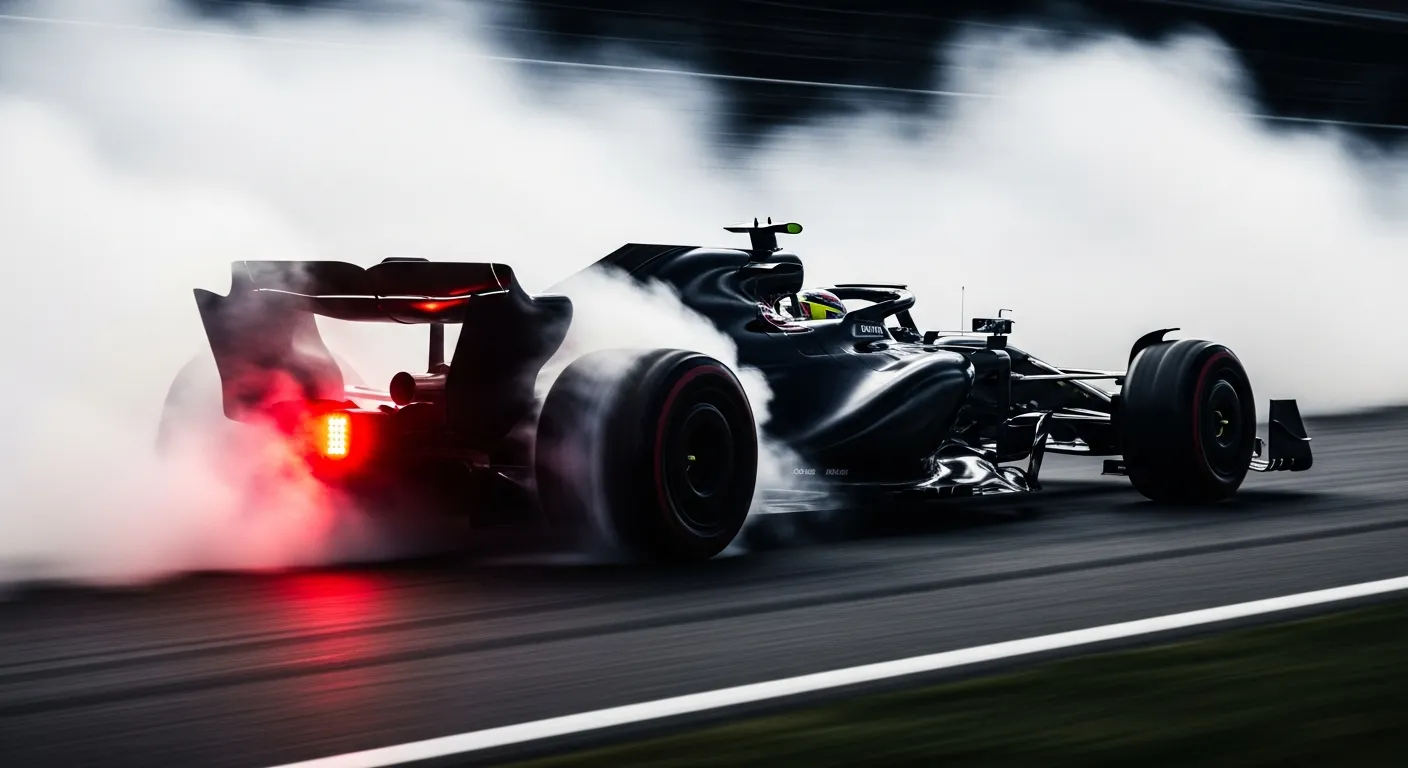
Intermediate tires are a specific compound in Formula 1, engineered to perform optimally in damp or lightly wet track conditions, bridging the performance gap between dry weather slick tires and full wet weather tires. Their unique design is a testament to the meticulous engineering required to extract maximum performance in variable conditions, making them a pivotal strategic tool in many Grand Prix weekends.
Design and Purpose
The defining characteristic of an intermediate tire is its tread pattern. Unlike slick tires, which are completely smooth for maximum contact in dry conditions, intermediates feature a series of shallow grooves. These grooves are designed to clear a moderate amount of standing water from the track surface, preventing aquaplaning and maintaining grip. The compound itself is softer than a dry-weather tire but harder than a full wet, allowing it to generate heat and grip effectively on a damp surface without overheating too quickly if the track begins to dry. As the sole tire supplier for Formula 1, Pirelli meticulously develops these compounds to meet the demanding performance envelopes set by the sport's regulations.
When Intermediates Matter
The decision to switch to intermediate tires is one of the most critical and often dramatic strategic calls in Formula 1. They are deployed when the track is too wet for slick tires to provide adequate grip, but not wet enough to warrant the deeper grooves and softer compound of full wet tires. This 'crossover point' is a fine line, constantly monitored by teams and drivers. A perfectly timed pit stop for intermediates can shave seconds off a Lap Time, potentially altering the outcome of a race. Conversely, a misjudgment – either pitting too early or too late – can be incredibly costly, as drivers struggle for grip or overheat their tires, impacting their Sector times significantly.
Memorable examples of intermediates shaping a race are plentiful. The 2021 Russian Grand Prix saw Lando Norris leading comfortably on slicks until a late downpour, where a delayed switch to intermediates cost him a maiden victory. Similarly, the start of the 2022 Monaco Grand Prix, after initial delays, saw teams navigating the damp conditions on intermediates, showcasing their necessity in transitional weather. The FIA Formula One regulations provide the framework for tire usage, but the real-time decision-making is where the drama unfolds.
Common Viewer Confusion
One common point of confusion for viewers is differentiating intermediates from full wet tires. The key lies in the amount of water on the track. Full wet tires have much deeper and more numerous grooves, designed to displace a significantly larger volume of water in heavy rain. Intermediates are for light rain or a drying track. Another aspect is their performance on a rapidly drying circuit; while effective initially, intermediates can quickly overheat and degrade as the track dries, leading to a significant drop in grip and a slower Fastest Lap. Understanding this distinction is crucial for appreciating the strategic nuances of a wet or drying race, as detailed in the intermediate tires — Wikipedia glossary entry.
Common questions
- What's the difference between intermediate and wet tires?
- Intermediate tires are for damp or lightly wet tracks, with shallower grooves. Wet tires have deeper grooves and a softer compound, designed to displace more water in heavy rain conditions.
- When do F1 teams use intermediate tires?
- Teams use intermediates when the track is too wet for slick tires but not wet enough for full wet tires. It's a strategic call made when light rain falls or a wet track is drying out.