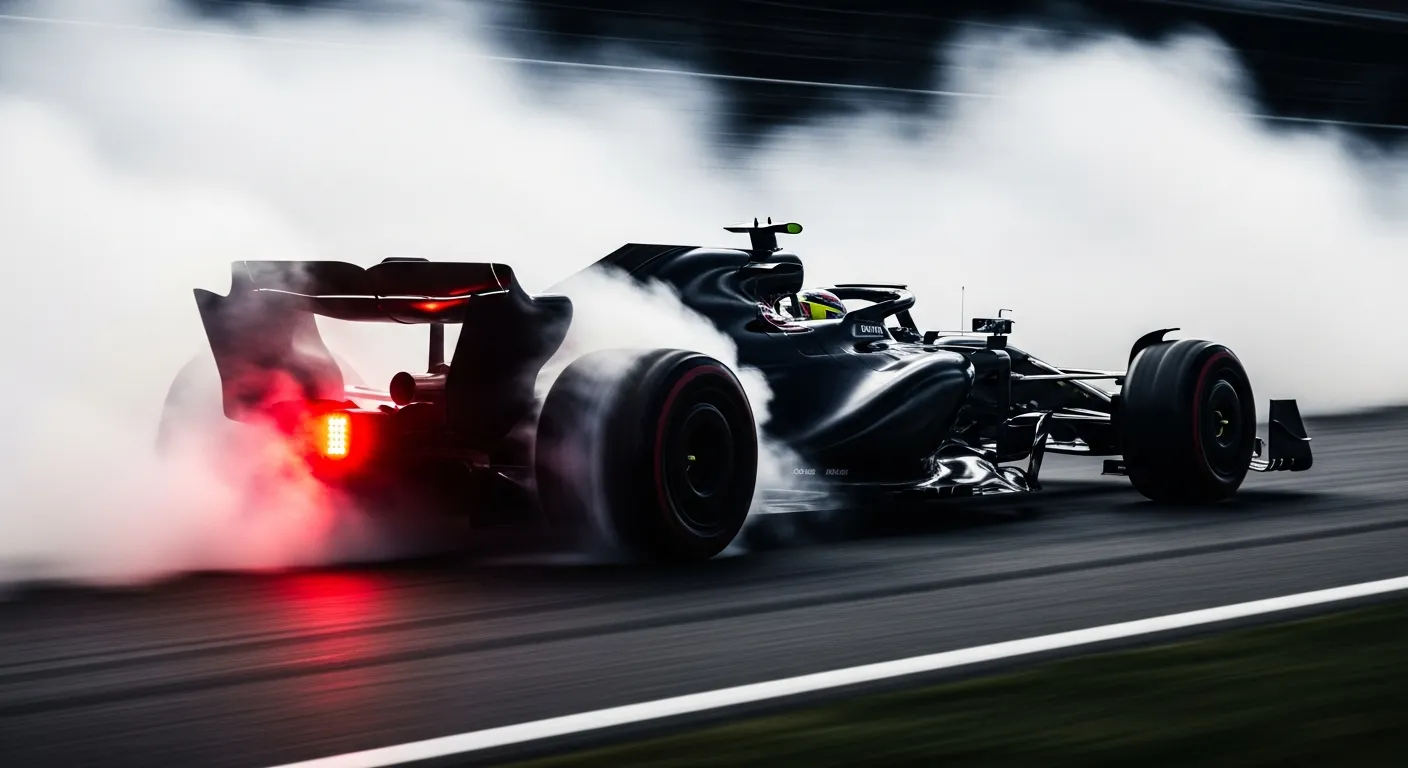
The Purpose of Full Wets
Wet Tires, often referred to as Full Wets, are the specialized compound in Formula 1 engineered to operate effectively in the heaviest of rain conditions. Their defining characteristic is a deep, intricate tread pattern, which is crucial for displacing large amounts of standing water on the track surface. This design prevents aquaplaning, allowing the car to maintain grip and deliver power efficiently, a critical factor when racing in torrential downpours. Unlike the slick tires used in dry conditions or the less aggressive Intermediate tires, Full Wets are designed to literally cut through the water, ensuring the rubber remains in contact with the asphalt. The specific technical regulations governing these tires are outlined by the FIA Formula One regulations, ensuring consistency across all teams.
When Full Wets Matter Most
Full Wets become indispensable when the track is saturated with standing water, making it unsafe or impossible to run on any other tire compound. Their primary role is to provide maximum grip and stability in conditions where visibility is poor and the risk of aquaplaning is high. Drivers will typically switch to Full Wets when the rain intensifies beyond what Intermediate tires can handle, or at the start of a race if heavy rain is already present. A prime example of their critical role was the 2022 Japanese Grand Prix, where the race began under extremely wet conditions, necessitating the use of Full Wets for initial running before a red flag and subsequent restart. Another memorable instance was the 2016 Brazilian Grand Prix, where Lewis Hamilton masterfully navigated treacherous, rain-soaked conditions on Full Wets, showcasing their capability to deliver performance in extreme circumstances.
However, the performance window for Full Wets is quite specific. As the track begins to dry, or if the rain eases, these tires can quickly lose their edge. The deep tread, while excellent for water displacement, generates more friction and heat when there's less water to cool them. This can lead to rapid degradation and overheating, making them slower than intermediates. Understanding the "crossover point"—the precise moment when intermediates become faster than full wets—is a key strategic challenge for teams and drivers. Misjudging this can cost valuable track position, impacting the optimal pit window for a tire change.
Common Viewer Confusion
One common point of confusion for viewers revolves around the decision-making process for switching between Full Wets and Intermediate tires. It's not always a clear-cut choice; factors like the intensity of the rain, the amount of standing water, ambient and track temperatures, and even the car's setup play a role. Drivers might stay on Full Wets longer than expected if a further downpour is anticipated, or switch to intermediates early to gain an advantage if they believe the track is drying rapidly. The strategic gamble is immense, as being on the wrong tire can severely compromise a race. For more detailed information on their design and function, the wet tires — Wikipedia glossary entry offers a comprehensive overview, while Pirelli, the sole tire supplier, provides extensive context on their compounds and performance characteristics.
Common questions
- What is the difference between Wet Tires and Intermediate Tires?
- Wet Tires (Full Wets) are designed for heavy rain and significant standing water, featuring deep grooves. Intermediate Tires are for light rain or a damp, drying track, with shallower grooves for less water displacement but more contact with the asphalt.
- Why do drivers switch from Wet Tires to Intermediates?
- As the track dries, Full Wets become less efficient. Their deep tread generates too much heat and causes excessive wear on a drying surface, making Intermediates faster and more durable in those conditions.