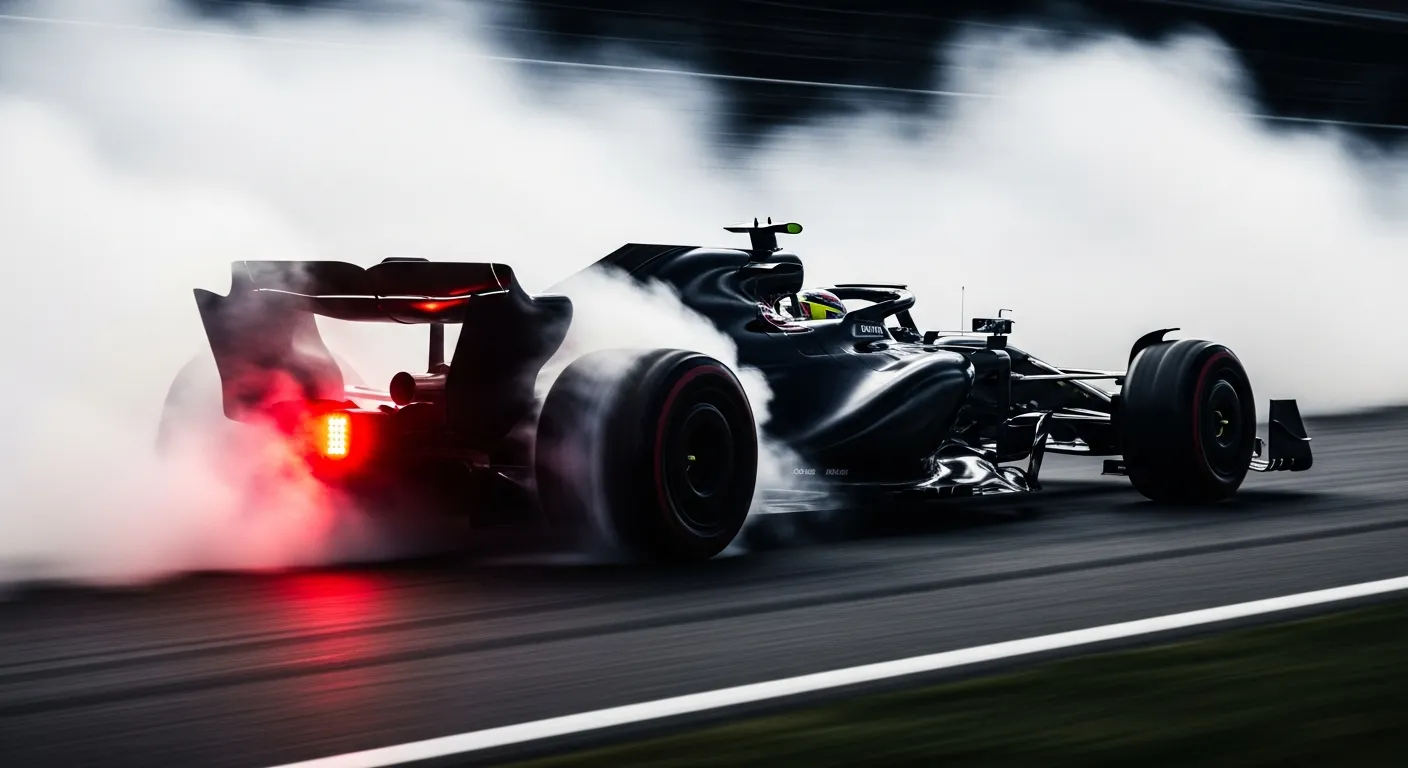
Parc Fermé, French for "closed park," is a crucial regulation in Formula 1 that dictates a period of strict control over the cars' configurations, primarily from the start of qualifying until the race itself. This rule is designed to prevent teams from making significant setup adjustments that could fundamentally alter a car's performance profile after it has been assessed in qualifying, ensuring the integrity of the competitive balance established on Saturday.
What Parc Fermé Entails
Once a car leaves the pit lane for the first time in qualifying, it is considered to be under Parc Fermé conditions. This means that only a very limited number of changes are permitted without incurring a penalty. Teams can typically make minor adjustments for safety or reliability, such as replacing damaged parts with identical specifications, or making small tweaks to the front wing angle. However, fundamental changes to suspension settings, gearbox ratios, or aerodynamic components are generally forbidden. The FIA Formula One regulations detail these restrictions extensively, overseen by the technical delegates and often enforced by the Stewards if any breaches occur.
This regulation forces teams and their Team Principal to commit to a setup early in the weekend, balancing qualifying pace with race trim. A car optimized for a single fast lap might struggle with tire degradation or race pace if the conditions change dramatically. Conversely, a setup focused purely on the race might leave a driver disadvantaged in qualifying. The challenge lies in finding a versatile setup that performs well across both sessions.
When Parc Fermé Matters Most
Parc Fermé conditions become particularly impactful when weather conditions shift unexpectedly between qualifying and the race. For instance, if qualifying is held in dry conditions, and the race day brings heavy rain, teams are largely stuck with their dry-weather setup. While some components like brake ducts or engine cooling can be adjusted, and tire compounds can be changed (with Pirelli providing specific wet and intermediate options), the core aerodynamic and mechanical setup remains fixed. This can lead to unpredictable races, as some cars might find their dry setup surprisingly effective in the wet, while others struggle immensely. The Race Director can, in extreme circumstances like a completely washed-out qualifying, declare a "wet race" and allow more extensive changes, but this is rare.
A common point of viewer confusion arises when a driver crashes heavily in qualifying. While the team can repair the car, any replacement parts must be of the exact same specification. If a new chassis is required, or if significant setup changes are deemed necessary beyond what's allowed under Parc Fermé, the car will typically have to start from the pit lane. This ensures that a team cannot gain an unfair advantage by effectively building a new car with a different setup after qualifying has determined the grid positions.
Common questions
- Can teams change tires under Parc Fermé?
- Yes, teams can change tire compounds, but the number and type of tires available are strictly regulated for the weekend. They must use the designated compounds for dry, intermediate, or wet conditions as appropriate.
- What happens if a team breaks Parc Fermé rules?
- Breaching Parc Fermé rules typically results in a penalty, most commonly forcing the car to start the race from the pit lane. The severity of the penalty depends on the nature and extent of the unauthorized changes.
- Are there any exceptions to Parc Fermé?
- Minor changes for safety or reliability are generally permitted. In rare cases of extreme weather changes, the FIA may allow more extensive setup adjustments, but this requires explicit approval from the Race Director.