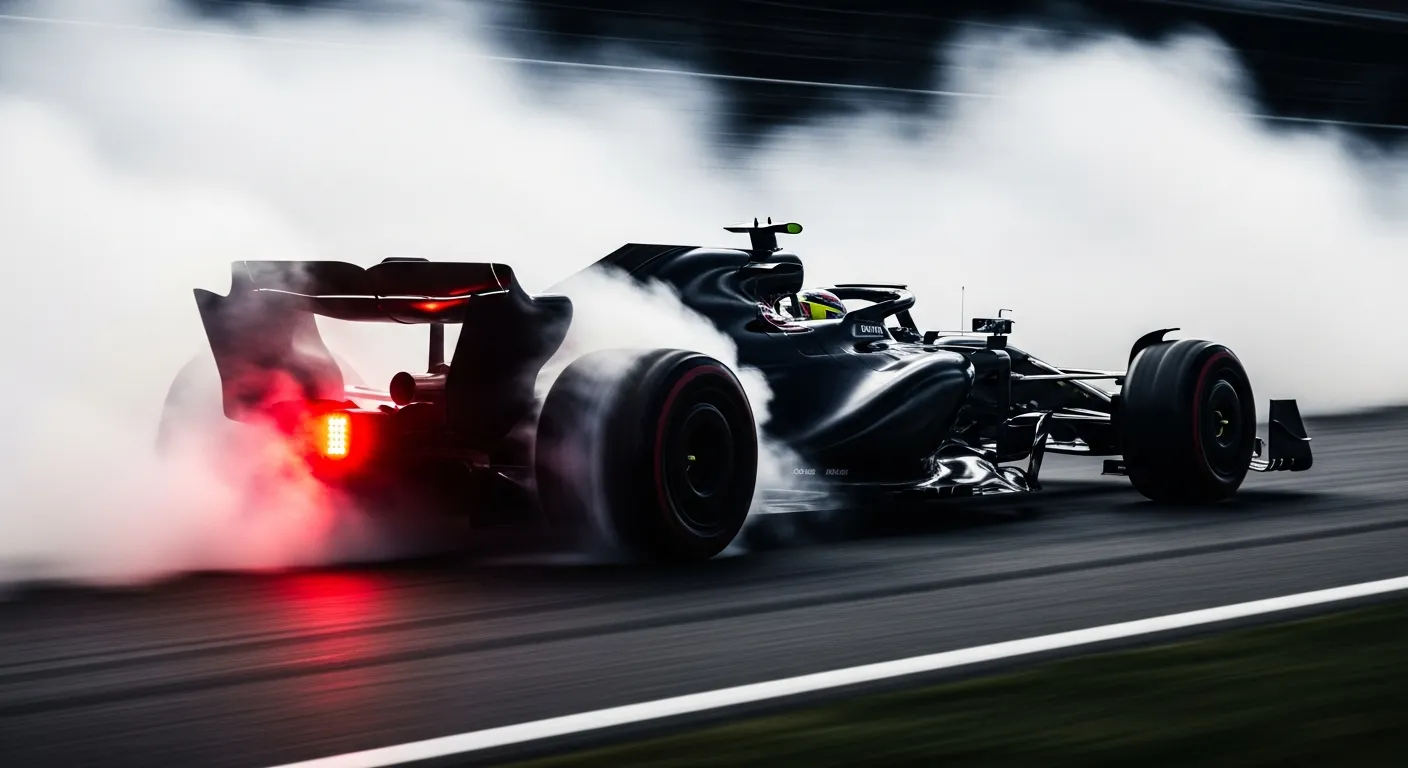
A red flag in Formula 1 is the ultimate safety measure, signifying a complete suspension of on-track activity, requiring all cars to return to the pit lane or a designated grid position. This critical signal, displayed by marshals around the circuit and on driver dashboards, indicates a severe incident that makes continuing the session unsafe. Unlike a Safety Car or Virtual Safety Car, which aim to neutralize the race while allowing cars to circulate, a red flag brings everything to a standstill.
When the Red Flag Flies
The decision to deploy a red flag rests with Race Control, guided by the FIA Formula One regulations. It's typically triggered by major accidents that block the track, extensive debris, severe weather conditions making visibility or grip impossible, or damage to track infrastructure. For instance, a significant crash on a tight Street Circuit like Monaco or Baku often necessitates a red flag due to the immediate blockage and difficulty of recovery. Even on a sprawling Permanent Circuit, a multi-car pile-up or a substantial barrier repair can warrant a full stop.
The implications for strategy are profound. During a red flag period, teams are permitted to work on their cars, including changing tires. This rule has led to fascinating strategic gambles. For example, at the 2021 Azerbaijan Grand Prix, a late-race red flag after Max Verstappen's dramatic tire failure allowed teams to fit fresh tires for a two-lap sprint to the finish, completely resetting the tire degradation equation. Similarly, at the 2023 Las Vegas Grand Prix, an early red flag caused by Carlos Sainz's car striking a loose manhole cover provided an unexpected opportunity for tire changes without losing significant track position, influencing the race trajectory. The official red flag — Wikipedia glossary entry provides further context on its broader application in motorsport.
Impact and Restart Procedures
When a red flag is shown, drivers must immediately reduce speed and proceed carefully back to the pit lane or a designated grid position, often behind the Safety Car. Overtaking is strictly forbidden. Once cars are stationary, teams can assess damage, make repairs, and crucially, change tires. This tire change allowance under red flag conditions is a significant strategic factor, as it effectively grants a 'free' pit stop. The choice of Pirelli — tire compound + regulation context can be critical here, as teams might switch to a more aggressive or durable compound depending on the remaining race distance and track conditions.
The restart procedure varies. If the race is suspended for a short period, it might resume behind the Safety Car. For longer delays, particularly after major incidents, a standing start from the grid is common, adding another layer of drama and unpredictability. The Race Engineer plays a crucial role during these periods, constantly communicating with the driver about the situation, potential restart procedures, and any strategic adjustments. Viewer confusion often arises regarding these restart rules and the impact on tire strategies, but understanding that a red flag essentially pauses the race and resets certain parameters is key to appreciating its strategic depth.
Common questions
- Can teams change tires under a red flag?
- Yes, during a red flag period, teams are permitted to change tires, which can be a significant strategic advantage as it's effectively a "free" pit stop without losing track position.
- What's the difference between a red flag and a Safety Car?
- A red flag completely stops the race, sending cars to the pits or grid. A Safety Car neutralizes the race by leading the field at a controlled speed, allowing marshals to clear incidents while cars continue to circulate.