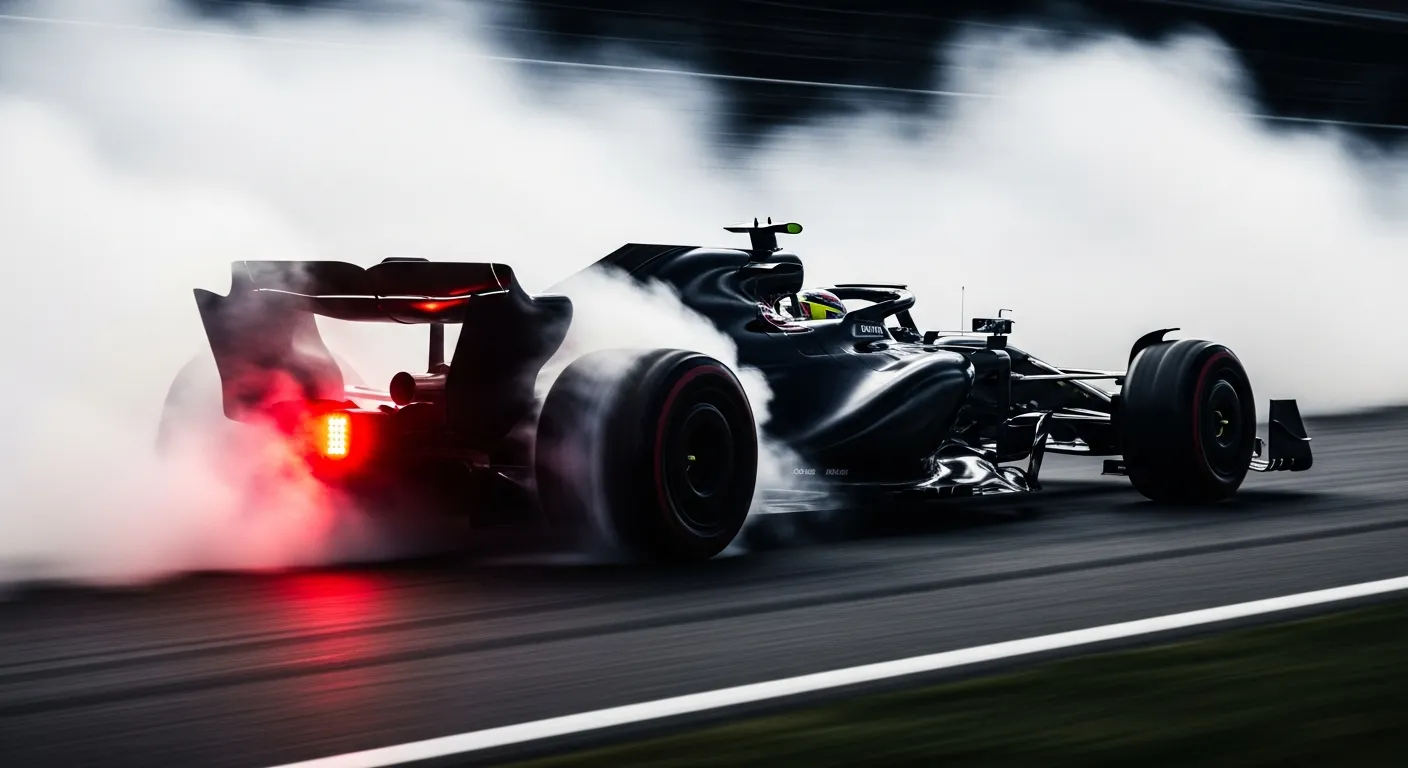
A Formula 1 rookie is a driver competing in their first full season in the sport, navigating the unique pressures and demands of the pinnacle of motorsport for the very first time. This designation marks a crucial transition from junior categories to the global stage, demanding rapid adaptation and resilience from these emerging talents.
The Path to Formula 1
The journey to becoming an F1 rookie is rigorous, typically involving years of competition in junior series like Formula 2 and Formula 3. To even qualify for a Formula 1 seat, a driver must accumulate a specified number of Super Licence points, as outlined in the FIA Formula One regulations. These points are awarded based on performance in various feeder series, ensuring a baseline level of skill and experience before entering F1. While the term "rookie" is widely understood, its formal definition in motorsport generally refers to a participant in their first season in a particular category, as detailed in the rookie — Wikipedia glossary entry.
Upon entering Formula 1, rookies face an immediate baptism of fire. The cars are significantly faster, more complex, and physically demanding than anything encountered previously. Drivers must quickly learn new circuits, integrate with a large team of engineers and strategists, and master the intricate nuances of F1's specialized tires, supplied by Pirelli — tire compound + regulation context, which require precise management throughout a race weekend.
Navigating the Rookie Season
The rookie season is a critical period of intense learning and adaptation. Drivers must quickly get to grips with the car's limits, the competitive intensity of the grid, and the strict adherence to rules, such as avoiding Track Limits infractions that can lead to penalties. Early mistakes are common, and a Time Penalty can be a harsh lesson in the unforgiving nature of F1 competition.
Recent seasons have provided compelling examples of rookie experiences. Oscar Piastri, for instance, delivered an exceptionally strong debut season with McLaren in 2023, quickly demonstrating his pace and maturity. His ability to challenge established teammates and secure podium finishes showcased a rare level of immediate adaptation. In contrast, his fellow 2023 rookie, Logan Sargeant at Williams, faced a steeper learning curve, grappling with consistency and the immense pressure of the sport. Similarly, Yuki Tsunoda's 2021 debut with AlphaTauri was marked by flashes of brilliance interspersed with moments of youthful exuberance, highlighting the fine line rookies walk between aggression and control.
Common viewer confusion sometimes arises when a driver participates in a few free practice sessions or even a partial season. However, the term "rookie" in common F1 parlance typically applies to a driver embarking on their first full championship campaign, where they are expected to compete in every Grand Prix and fully immerse themselves in the demands of a complete F1 season, including the added complexity of formats like the Sprint Race weekends. Their performance is often a key indicator of future potential and a fascinating subplot within the broader championship narrative.
Common questions
- Does a driver who only does practice sessions count as a rookie?
- No, a rookie typically refers to a driver competing in their first full Formula 1 season, even if they've participated in free practice sessions before a Grand Prix weekend.
- What's the biggest challenge for a rookie?
- Adapting to the immense speed, complex F1 cars, high-pressure environment, and the unique demands of F1 tires and race strategies is often cited as the biggest hurdle.