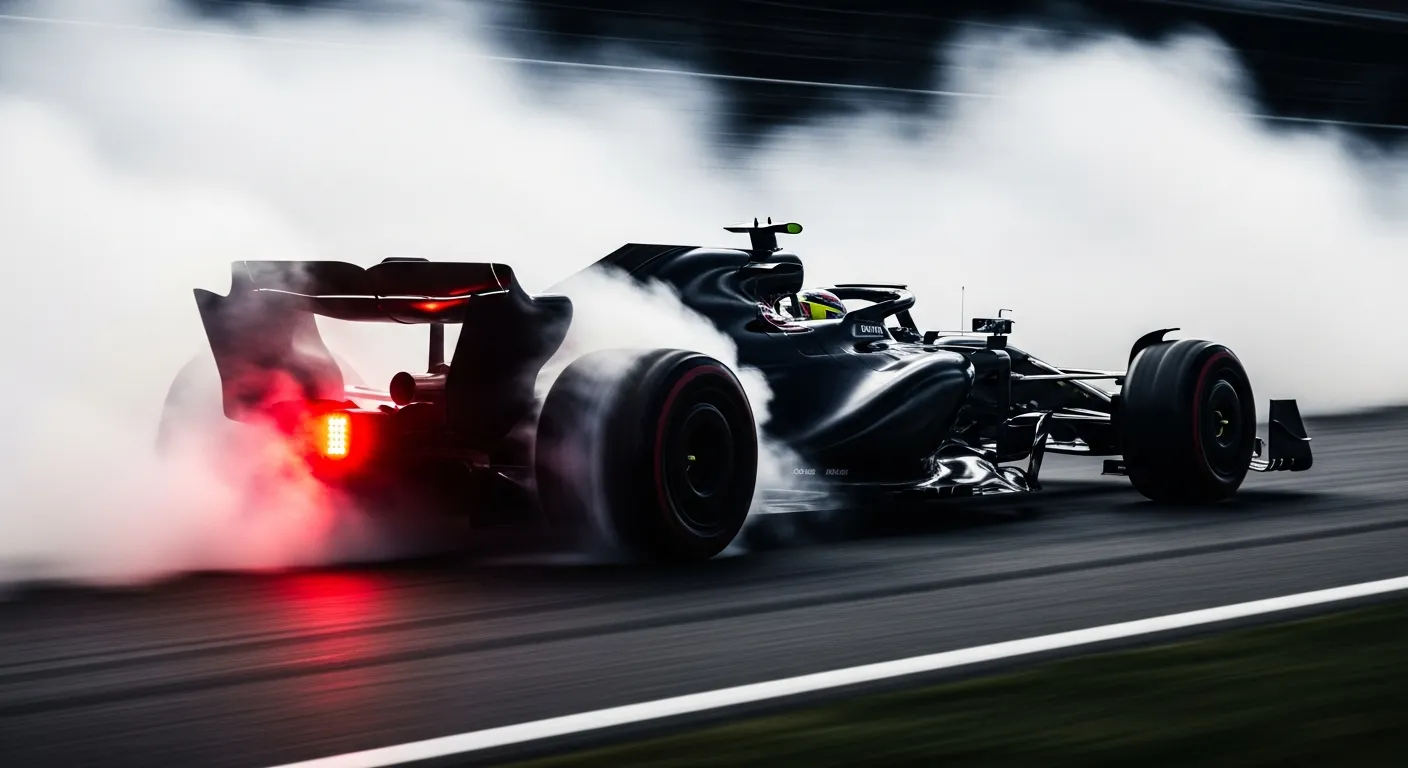
The sidepod is a critical aerodynamic and cooling component of a Formula 1 car, housing radiators and electronics while meticulously shaping airflow towards the rear diffuser. These distinctive structures, positioned on either side of the chassis, are far more than mere bodywork; they are central to a car's overall performance envelope, influencing everything from engine temperature to downforce generation.
The Dual Role: Cooling and Aerodynamics
At their core, sidepods serve a dual purpose. Internally, they house essential cooling systems, primarily radiators for the engine and gearbox, along with various electronic control units. Efficient cooling is paramount in Formula 1; overheating can lead to power loss, reliability issues, and even retirement from a race. The design of the sidepod's inlet and internal ducting is finely tuned to maximize airflow through these radiators while minimizing aerodynamic drag.
Externally, sidepods are sophisticated aerodynamic devices. Their sculpted surfaces are designed to manage the turbulent air generated by the front wheels and channel it effectively. This involves "conditioning" the airflow before it reaches the rear of the car, particularly the floor and diffuser, which are responsible for generating a significant portion of a modern F1 car's downforce. The precise shaping can create vortices that seal the underfloor, enhancing the ground effect and contributing to stability through corners. This intricate interaction with air is fundamental to how a car generates grip, complementing other aerodynamic elements like the DRS on the rear wing. For a deeper dive into these components, the sidepod — Wikipedia glossary entry provides a comprehensive overview.
Evolution and Impact on Performance
The design philosophy behind sidepods has seen dramatic shifts throughout F1 history, often driven by changes in the FIA Formula One regulations. The 2022 technical regulations, which reintroduced ground effect aerodynamics, brought sidepod design back into sharp focus. Teams experimented with radical interpretations to optimize airflow to the redesigned underfloor.
A prime example of this innovation was Mercedes-AMG Petronas F1 Team's "zero-pod" concept introduced at the 2022 Bahrain Grand Prix. This design dramatically minimized the sidepod volume, aiming to maximize the flow of air directly to the floor edges. While visually striking, it proved challenging to extract consistent performance from, particularly in managing the car's ride height and mitigating porpoising. In contrast, Red Bull Racing's more conventional, yet highly sculpted, downwash sidepod design proved incredibly effective, contributing significantly to their dominant performance in 2022 and 2023. Their design effectively channeled air over the sidepod and down towards the diffuser, creating powerful downforce.
Sidepods in the Heat of Battle
During a race, sidepods are vulnerable. Collisions or contact with debris can cause significant damage, compromising both cooling and aerodynamic performance. A punctured sidepod, even if minor, can disrupt the intricate airflow, leading to a loss of downforce or, more critically, overheating of vital components like the ERS battery or engine. Teams often face tough decisions in the pits: attempt a repair, which can be time-consuming and costly under Parc Fermé conditions, or continue with compromised performance. The integrity of these structures is crucial for maintaining optimal operating temperatures and aerodynamic balance, directly impacting factors like Pirelli — tire compound + regulation context degradation and overall race pace.
Common questions
- What's the "zero-pod" concept?
- The "zero-pod" was a radical sidepod design by Mercedes in 2022, minimizing sidepod volume to channel air directly to the floor. It aimed to maximize ground effect but proved challenging for consistent performance.
- How do sidepods affect cooling?
- Sidepods house radiators for the engine and gearbox, along with electronics. Their inlets and internal ducting are designed to efficiently draw air through these components, preventing overheating and maintaining optimal performance.
- Can sidepod damage end a race?
- Yes, significant sidepod damage can disrupt crucial airflow, leading to a loss of downforce and, critically, overheating of vital components. This can force a retirement or severely compromise performance.