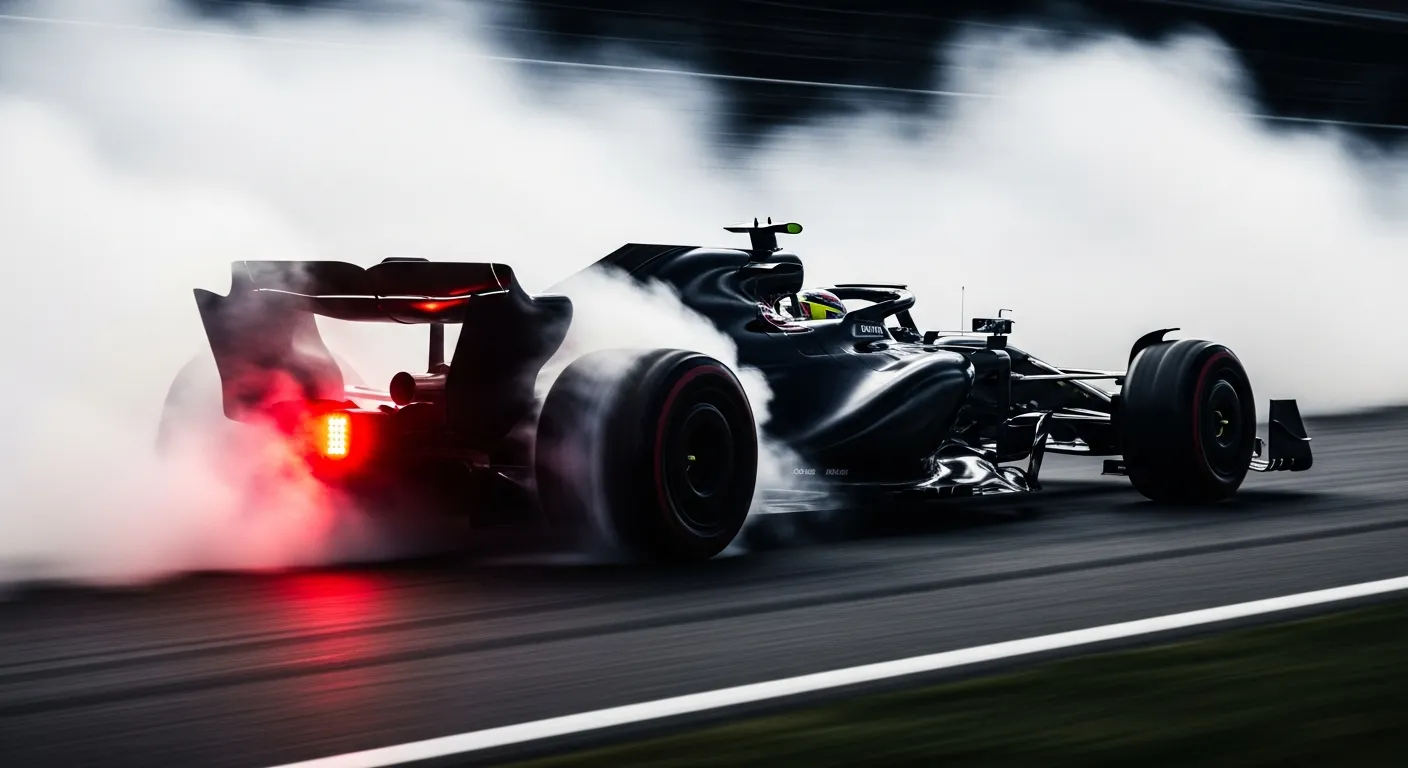
The Formula 1 front wing is far more than a simple aesthetic element; it is the car's primary aerodynamic device, responsible for initiating the complex airflow management that dictates performance. Positioned at the very front of the car, this intricate structure is designed to achieve two critical objectives: generate a significant portion of the car's overall downforce and meticulously condition the airflow that travels rearward over and under the car. Without a properly functioning front wing, a Formula 1 car would be fundamentally unbalanced and significantly slower.
Anatomy and Purpose
A modern F1 front wing is a sophisticated assembly of multiple elements, including a main plane, adjustable flaps, and endplates. The main plane forms the primary structure, while the flaps allow engineers to fine-tune the angle of attack, altering the amount of downforce generated and influencing the car's balance. The endplates are crucial for managing the vortices that shed from the wing's tips, directing air around the front tires to reduce drag and optimize flow to the car's underfloor. These designs are strictly governed by the FIA Formula One regulations, which often dictate dimensions, materials, and adjustability to promote competitive racing and manage performance levels.
Impact on Race Performance
The front wing's performance is paramount throughout a race weekend. During qualifying, teams aim to extract maximum grip, and the front wing's ability to generate downforce directly translates to higher cornering speeds. In a race, its condition is vital for consistent lap times and tire management. Damage to even a small element of the front wing can drastically alter the car's aerodynamic balance, leading to understeer, increased tire degradation, and a significant loss of pace. The interaction between aerodynamic forces and tire performance is critical, a topic often explored by Pirelli, the official F1 tire supplier, in their analysis of race strategy and compound choices. This often necessitates a pit stop for a replacement, costing valuable time and track position. The front wing's design also plays a crucial role in how a car performs in "dirty air" – the turbulent air left by a preceding car – impacting a driver's ability to follow closely and overtake.
Evolving Regulations and Design Challenges
Recent F1 regulations have significantly impacted front wing design. The 2019 rules, for instance, simplified the front wings, making them wider and less complex with fewer elements, specifically to reduce the amount of turbulent air generated and improve the spectacle of racing by making it easier for cars to follow each other. The 2022 regulations, which reintroduced ground effect as the primary source of downforce, further streamlined the front wing design, making it less influential in creating outwash and more focused on generating clean airflow for the underfloor tunnels. This shift aimed to reduce the aerodynamic sensitivity of cars when running close together.
A common point of confusion for viewers is often the dramatic impact of seemingly minor front wing damage. A small piece of carbon fibre missing might appear insignificant, but it can disrupt the carefully calibrated airflow, leading to a substantial performance deficit. Teams constantly monitor front wing performance, and adjustments during pit stops are a common strategy to adapt to changing track conditions or tire wear, highlighting the component's dynamic role in race strategy. As explained in the front wing — Wikipedia glossary entry, its role is fundamental to the entire aerodynamic package.
Common questions
- Why is the front wing so expensive to replace?
- Front wings are complex, multi-element carbon fiber structures designed for extreme aerodynamic precision. Their intricate manufacturing process, specialized materials, and rigorous testing contribute to their high cost, often hundreds of thousands of dollars per unit.
- Can drivers adjust the front wing during a race?
- No, drivers cannot adjust the front wing while driving. Adjustments to the front wing's angle of attack are made by mechanics during pit stops, using a mechanism to alter the flap settings.
- How does the front wing affect tire wear?
- The front wing dictates how much downforce is generated over the front axle. An imbalanced front wing can lead to excessive understeer or oversteer, forcing the driver to push the tires harder to compensate, accelerating tire degradation.