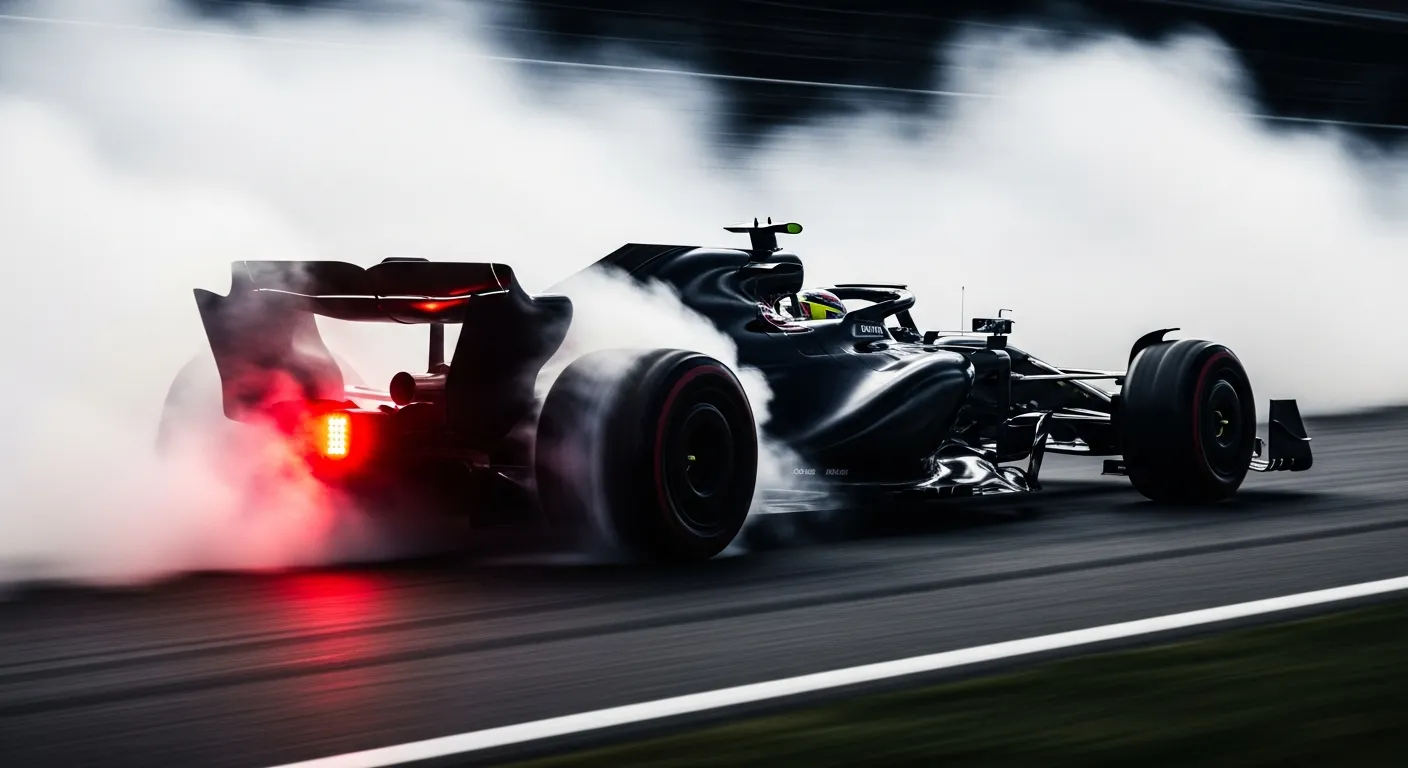
The rear wing is a fundamental aerodynamic component positioned at the very back of a Formula 1 car, meticulously engineered to generate crucial downforce, pressing the car onto the track surface. This downward force is vital for increasing tire grip, particularly through high-speed corners, allowing drivers to maintain higher speeds and stability. Without this sophisticated piece of engineering, an F1 car would struggle for traction, becoming significantly slower and far more challenging to control.
Design and Function
Constructed from advanced lightweight composites, primarily carbon fiber, the rear wing assembly typically comprises a main plane and an adjustable upper element, known as the Drag Reduction System (DRS) flap. Its primary role is to manipulate airflow, creating a pressure differential that pushes the car downwards. The angle of attack of the wing elements is finely tuned by teams to balance downforce and drag, a critical decision based on the specific characteristics of each circuit. For instance, high-downforce tracks like Monaco demand a steeper, more aggressive rear wing angle to maximize grip through its tight, winding streets, while circuits with long straights, such as Monza, see teams opt for flatter, lower-drag configurations to prioritize top-end speed. These setup choices are a direct reflection of a team's aerodynamic philosophy and track-specific strategy, all governed by the strict technical specifications outlined in the FIA Formula One regulations.
The Role of DRS
The adjustable flap within the rear wing, the Drag Reduction System, is a strategic tool designed to facilitate overtaking. When a driver is within one second of the car ahead at a designated detection point on certain parts of the track, they are permitted to open this flap. This action significantly reduces aerodynamic drag, providing a temporary boost in straight-line speed. The effectiveness of DRS is often a key talking point in race analysis, enabling thrilling overtakes that might otherwise be impossible. However, its use is strictly regulated; deploying DRS outside of designated zones or without meeting the one-second rule can lead to a Grid Penalty. The concept and mechanics of the rear wing, including DRS, are further detailed in resources like the rear wing — Wikipedia glossary entry.
Impact on Race Dynamics
A damaged rear wing can have catastrophic consequences for a car's performance. Even minor damage, such as a broken endplate or a compromised flap, can drastically reduce downforce and increase drag, making the car unstable and significantly slower. Drivers experiencing such damage often have to pit immediately for repairs, losing valuable track position, or, in severe cases, retire from the race. Incidents leading to rear wing damage frequently necessitate a Yellow Flag to ensure competitor safety. If a car continues to circulate with a dangerously damaged wing, Race Control may even issue a Black Flag, forcing the driver to return to the pits immediately for safety reasons. Understanding the rear wing's intricate relationship with downforce also helps explain why tire performance is so critical; optimal downforce allows the Pirelli tires to operate within their ideal temperature windows, maximizing grip and longevity.
Common questions
- What is the main purpose of a Formula 1 rear wing?
- Its primary purpose is to generate downforce, which presses the car onto the track. This increases tire grip, enhances stability, and allows for higher speeds through corners, crucial for overall performance.
- How does DRS relate to the rear wing?
- DRS (Drag Reduction System) is an adjustable flap on the rear wing. When activated in specific zones, it opens to reduce aerodynamic drag, temporarily increasing the car's top speed to aid overtaking.
- Why do rear wings look different on various tracks?
- Teams adjust the rear wing's angle of attack to suit track characteristics. Steeper angles provide more downforce for cornering on tracks like Monaco, while flatter angles reduce drag for higher top speeds on tracks like Monza.