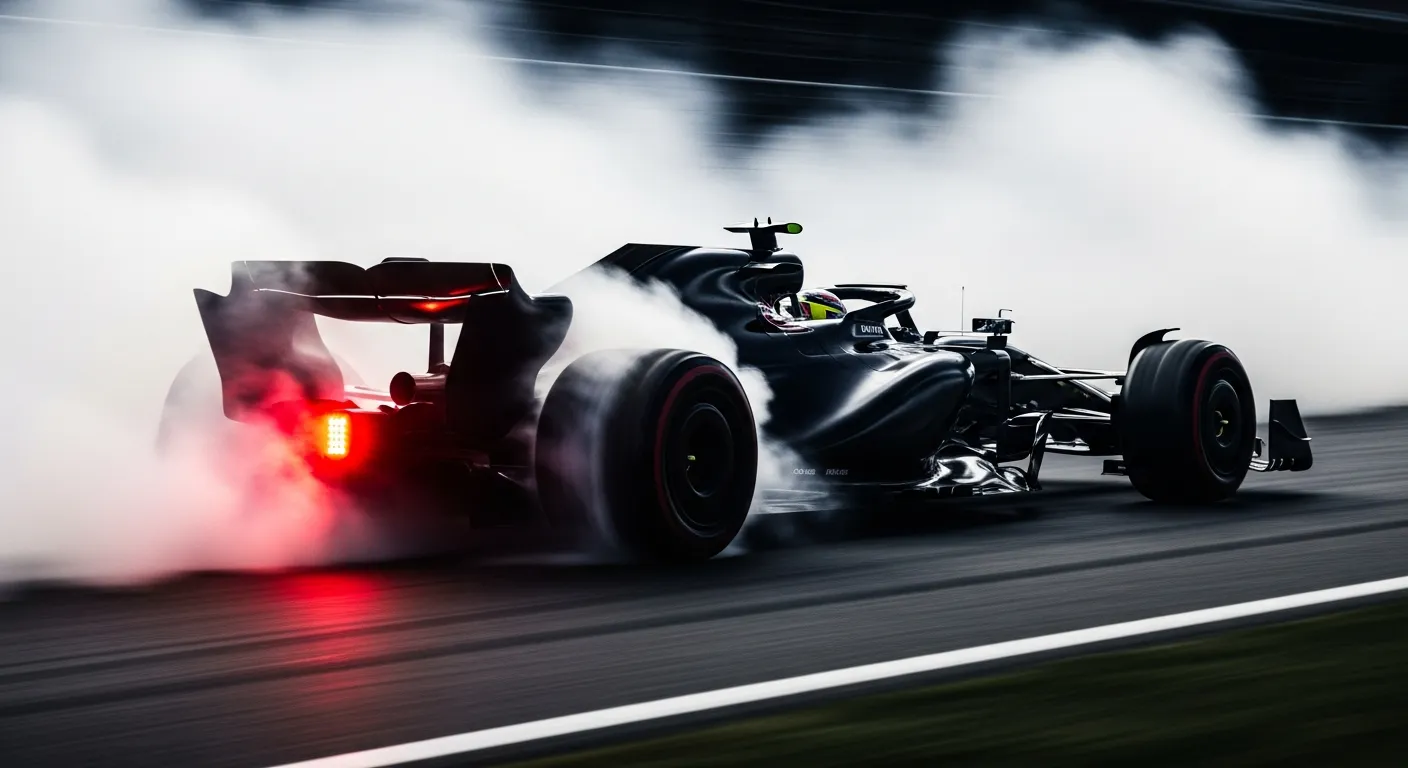
The 2015 United States Grand Prix at the Circuit of the Americas in Austin, Texas, was a race defined by its profound championship implications and the relentless challenge of its weather, creating a truly unpredictable spectacle. This event, held in the heart of the turbo-hybrid era, stood as a stark contrast to many of the more straightforward races of the season, demanding adaptability from every team and driver.
Qualifying
Qualifying for the 2015 United States Grand Prix was severely impacted by persistent rain, leading to a session that saw conditions fluctuate dramatically. The initial stages were run under heavy spray, pushing drivers to the absolute limit of grip and visibility. This meteorological challenge meant that traditional performance hierarchies were disrupted, as raw pace often yielded to car control and strategic timing on track. The session was ultimately curtailed, with the grid order reflecting a snapshot of performance in exceptionally treacherous conditions, setting the stage for a race day where anything felt possible. For a look at how COTA can challenge drivers even in dry conditions, consider the strategic nuances seen at the 2019 United States Grand Prix.
Race
Race day continued the theme of challenging weather, with the track initially wet and gradually drying, then experiencing further rain. This dynamic environment forced teams to constantly reassess tire strategies, balancing the need for grip on a damp surface with the potential for a switch to slick tires as a dry line emerged. The race itself was punctuated by multiple safety car periods, each intervention resetting the field and opening new strategic windows. These restarts were critical, often leading to intense on-track battles as drivers fought for position, knowing that every point was crucial in the championship fight. The unpredictable nature of such conditions often mirrors the strategic gambles seen in races like the 2019 Hungarian Grand Prix, where track position and tire management become paramount.
Strategic Story
Strategy was paramount at COTA in 2015, with tire management and pit stop timing under safety car conditions proving decisive. Teams had to make critical calls on when to transition from intermediate to slick tires, a decision fraught with risk given the intermittent rain. A premature switch could lead to significant time loss, while delaying too long could surrender track position. The frequent safety car deployments added another layer of complexity, offering 'free' pit stops that could dramatically alter the race's complexion. Understanding the nuances of these strategic decisions is key to appreciating Formula 1, as outlined by the FIA's F1 World Championship regulations. The data from races like this is meticulously recorded, forming part of the historical record accessible via platforms like Jolpica/Ergast's F1 data archives.
Championship Impact
The outcome of the 2015 United States Grand Prix had profound implications for the Drivers' World Championship. Entering the event, the championship battle was finely poised, and the results from COTA were sufficient to determine the victor. The points secured by the leading contenders meant that one driver was mathematically crowned World Champion, marking a significant milestone in their career and solidifying their place in Formula 1 history. This decisive moment underscored the high stakes of every race in a championship season, a narrative often explored on the Formula 1 official site. The complexities of championship points are fundamental to understanding the sport, as detailed on Wikipedia's Formula One overview.
Full classified results
Every driver's verified grid-to-flag result from the 2015 United States Grand Prix — grid, finish, points, teammate H2H, and championship swing.
- P1Lewis HamiltonMercedes25 pts
- P2Nico RosbergMercedes18 pts
- P3Sebastian VettelFerrari15 pts
- P4Max VerstappenToro Rosso12 pts
- P5Sergio PérezForce India10 pts
- P7Carlos SainzToro Rosso6 pts
- P10Daniel RicciardoRed Bull1 pts
- P11Fernando AlonsoMcLaren0 pts
- —Nico HülkenbergForce IndiaAccident
- —Kimi RäikkönenFerrariBrake duct
- —Valtteri BottasWilliamsRetired