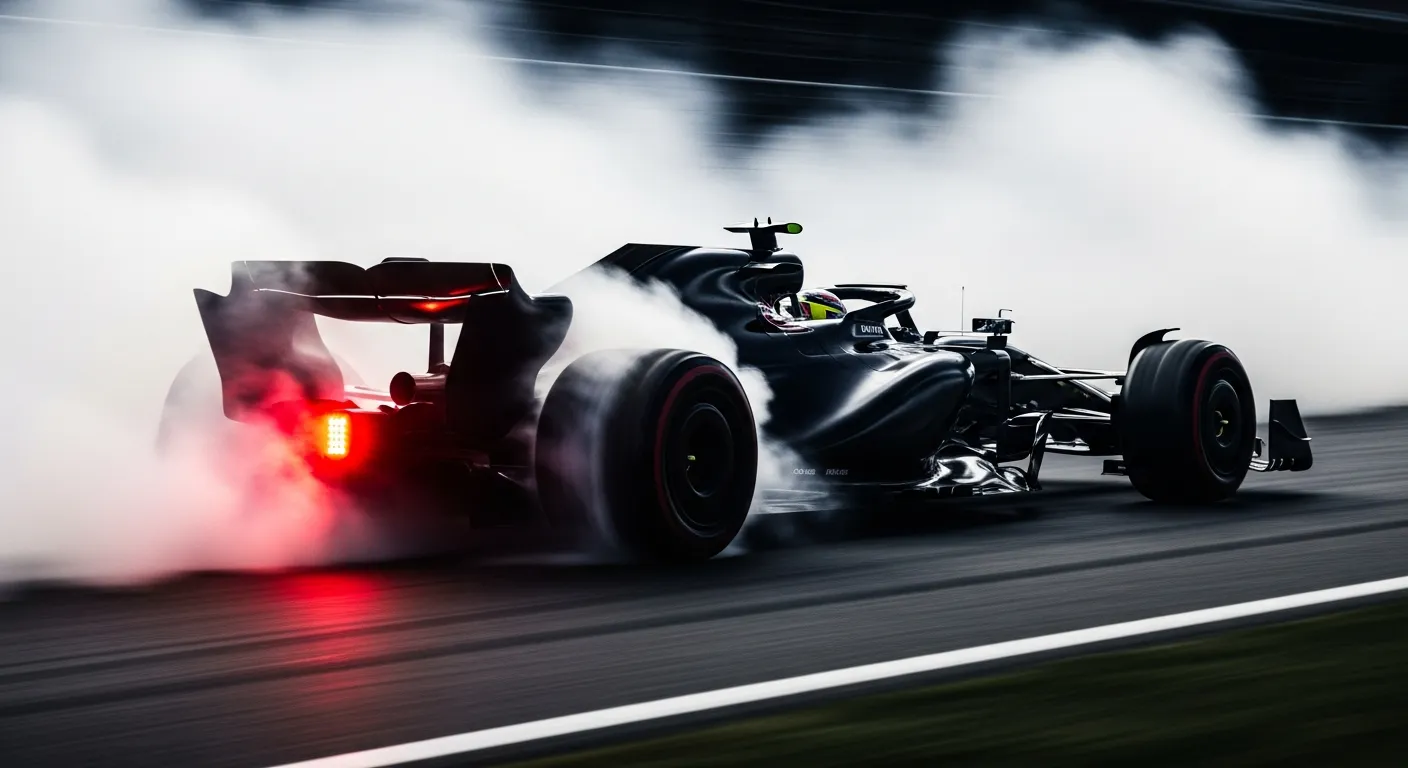
The 2018 United States Grand Prix at the Circuit of the Americas was defined by a relentless strategic chess match, where tire performance and pit stop timing proved decisive under the Texan sun. This particular event, set against the backdrop of a tightening championship battle, underscored how critical every decision, from qualifying setup to race-day tire calls, truly was.
Qualifying
Qualifying at COTA always presents a unique challenge, with its undulating layout and a mix of high-speed esses and tight hairpins demanding a finely balanced car. In 2018, the pole position was particularly coveted, offering the cleanest run into Turn 1, a notorious bottleneck. The grid saw the usual front-runners vying for supremacy, with the top teams demonstrating the raw pace inherent to the turbo-hybrid era's machinery. The margins were, as often, incredibly tight, reflecting the intense competition at the sharp end of the grid. Achieving a strong starting position here was not just about raw speed but also about having a car that could manage tire temperatures effectively over a single lap, setting the stage for the race's strategic complexities.
Race
The race start at COTA is always a spectacle, with the steep incline into Turn 1 often leading to dramatic position changes. The 2018 edition was no exception, as cars jostled for track position. The initial laps quickly highlighted the differing approaches to tire management, with some drivers pushing hard to gain ground, while others conserved their rubber for later stints. The Circuit of the Americas, with its demanding sectors, puts immense stress on tires, and the ambient temperatures in Austin often exacerbate degradation. Throughout the race, the field stretched and compressed, influenced by tire wear and the strategic windows opening and closing. A mid-race incident prompted a Virtual Safety Car, which, while brief, offered a crucial strategic inflection point for several teams, allowing for 'cheap' pit stops that could alter the race's complexion significantly. This mirrored some of the strategic shifts seen in races like the 2015 Mexico City Grand Prix, where safety cars often reshaped outcomes.
Strategic Story
The core narrative of the 2018 United States Grand Prix revolved around tire strategy. Most teams began on the softer compounds, aiming for an aggressive start, but the high degradation rates at COTA quickly brought the harder compounds into play. The debate between a one-stop and a two-stop strategy was fierce, with teams constantly monitoring competitor lap times and tire performance data. The leading contenders found themselves in a high-stakes game of cat and mouse, with the 'undercut' proving to be a potent weapon for those looking to gain track position by pitting earlier for fresh rubber. Conversely, some attempted the 'overcut,' staying out longer to capitalize on clearer air or later tire performance. This dynamic strategic battle is a hallmark of the turbo-hybrid era, where tire management is paramount, as detailed on the Formula 1 — official site. The decision to commit to a specific strategy, especially when a championship was on the line, required precise calculations and a keen understanding of the car's performance envelope, much like the intense strategic battles witnessed at the 2015 United States Grand Prix.
Championship Impact
The outcome of the 2018 United States Grand Prix had significant implications for both the Drivers' and Constructors' Championships. With only a few races remaining in the season, every point was critical. The leading championship contender, despite facing formidable challenges, managed to consolidate their position, moving closer to securing the title. This result meant that the championship fight, while still mathematically open, leaned heavily in one direction, setting up a thrilling conclusion to the season. The points secured by the top teams further solidified their standings in the Constructors' battle, highlighting the consistent performance required to compete at the highest level, a testament to the comprehensive regulations overseen by the FIA — F1 World Championship. For a broader understanding of F1's structure, Wikipedia: Formula One offers detailed context. The data from this race, like all F1 events, contributes to the historical record, accessible via resources like Jolpica/Ergast — 2026 season data, which tracks comprehensive F1 statistics. The strategic nuances of this race further emphasized the fine margins in championship battles, echoing the late-season tension of the 2015 São Paulo Grand Prix.
Read the full editorial
Full classified results
Every driver's verified grid-to-flag result from the 2018 United States Grand Prix — grid, finish, points, teammate H2H, and championship swing.
- P1Kimi RäikkönenFerrari25 pts
- P2Max VerstappenRed Bull18 pts
- P3Lewis HamiltonMercedes15 pts
- P4Sebastian VettelFerrari12 pts
- P5Valtteri BottasMercedes10 pts
- P6Nico HülkenbergRenault8 pts
- P7Carlos SainzRenault6 pts
- P8Sergio PérezForce India4 pts
- P12Pierre GaslyToro Rosso0 pts
- P14Lance StrollWilliams0 pts
- —Charles LeclercSauberCollision damage
- —Daniel RicciardoRed BullBattery
- —Fernando AlonsoMcLarenCollision
- —Esteban OconForce IndiaDisqualified