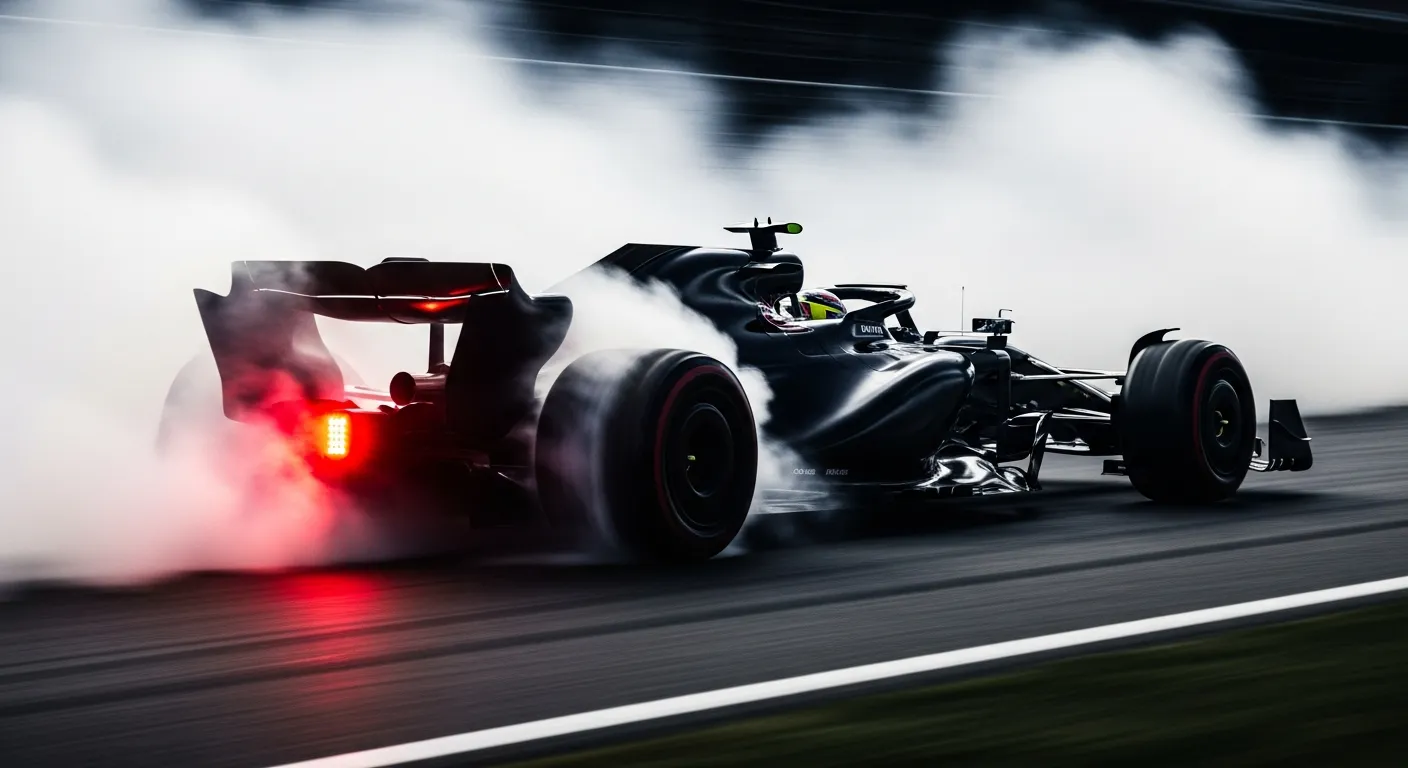
The 2015 São Paulo Grand Prix at Autódromo José Carlos Pace was a masterclass in controlled race management by Nico Rosberg, who converted pole position into a dominant victory, underscoring Mercedes' strategic depth even as the championship was already decided. This race, the penultimate round of the season, saw Rosberg secure his second consecutive win at Interlagos, a significant marker of his late-season momentum.
Qualifying
Qualifying set the tone for the race, with Nico Rosberg securing pole position. His Mercedes W06 Hybrid proved formidable around the undulating Brazilian circuit, outpacing teammate Lewis Hamilton by a narrow margin. The front row lockout for Mercedes was a familiar sight in the 2015 season, highlighting their continued advantage in the turbo-hybrid era. Sebastian Vettel, driving for Ferrari, placed his car third on the grid, demonstrating Ferrari's consistent challenge to the dominant Silver Arrows, a narrative that had been building since the 2015 Italian Grand Prix. Kimi Räikkönen secured fourth, ensuring Ferrari occupied the second row.
Race
From the moment the lights went out, Rosberg maintained his lead, fending off Hamilton into Turn 1. The race settled into a rhythm dictated by Mercedes' pace, with both drivers managing their tires and fuel. Hamilton, despite showing strong pace and setting the fastest lap of the race on lap 55, found himself unable to mount a sustained challenge for the lead, often reporting difficulties in getting close enough to attack due to the aerodynamic wake. The strategic battle unfolded primarily between the two Mercedes drivers, with Hamilton attempting different tire strategies to gain an advantage, but Rosberg consistently responded to maintain his lead. The race was largely devoid of significant incidents or safety car periods, allowing the raw pace and strategic calls to dictate the outcome. For a broader understanding of Formula 1's technical regulations, refer to the FIA — F1 World Championship official site.
Strategic story
The strategic narrative at Interlagos revolved around tire management and pit stop timing. Both Mercedes drivers opted for a three-stop strategy, but the timing of their stops and tire choices (primarily soft compounds) were critical. Hamilton pushed for alternative strategies, at one point suggesting a two-stop, but the team ultimately committed to three. This decision highlighted the fine margins involved in tire degradation and performance windows on the abrasive Interlagos surface. Rosberg's ability to consistently deliver strong out-laps after each pit stop was key to neutralizing any potential undercut or overcut threats from Hamilton. Ferrari, with Sebastian Vettel, also executed a clean three-stop race, securing a comfortable third place, well ahead of the rest of the field. For detailed historical race data, resources like Jolpica/Ergast — 2026 season data provide extensive records, though this specific race is from 2015. The strategic nuances of races like this are often discussed in post-race analyses, such as those found on Autosport's F1 coverage.
Championship impact
By the time F1 arrived in São Paulo, both the Drivers' and Constructors' Championships had already been secured by Lewis Hamilton and Mercedes, respectively. Hamilton clinched his third world title at the 2015 United States Grand Prix, making this race more about individual performance and team momentum heading into the final round. Rosberg's victory, his fifth of the season, was a clear statement of intent for the following year, demonstrating his capacity to challenge Hamilton consistently. It also cemented Mercedes' near-perfect season, further solidifying their position as the dominant force in Formula 1 — official site. The battle for constructor points further down the grid, while less impactful on the top two, still held significance for team standings and future prize money. For a general overview of Formula One, Wikipedia: Formula One offers comprehensive information. The 2015 British Grand Prix earlier in the season also showcased Mercedes' strategic prowess and driver rivalry.
Read the full editorial
Full classified results
Every driver's verified grid-to-flag result from the 2015 Brazilian Grand Prix — grid, finish, points, teammate H2H, and championship swing.
- P1Nico RosbergMercedes25 pts
- P2Lewis HamiltonMercedes18 pts
- P3Sebastian VettelFerrari15 pts
- P4Kimi RäikkönenFerrari12 pts
- P5Valtteri BottasWilliams10 pts
- P6Nico HülkenbergForce India8 pts
- P9Max VerstappenToro Rosso2 pts
- P11Daniel RicciardoRed Bull0 pts
- P12Sergio PérezForce India0 pts
- P15Fernando AlonsoMcLaren0 pts
- —Carlos SainzToro RossoRetired