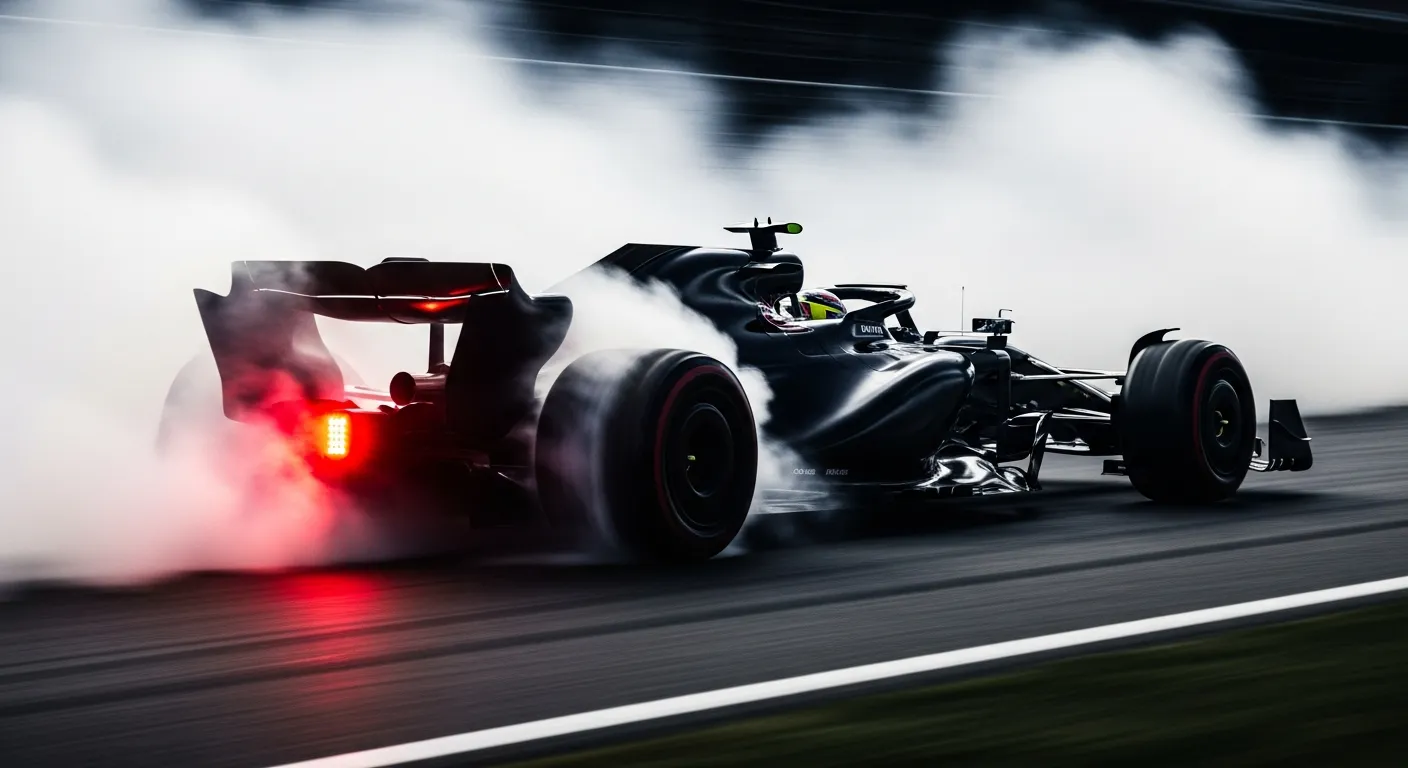
The 2022 Austrian Grand Prix at the Red Bull Ring marked a pivotal moment in the championship narrative, as Charles Leclerc executed a strategic masterclass to overcome Max Verstappen on his home turf, breaking a significant winless streak for the Monegasque driver and Ferrari.
Qualifying
Max Verstappen secured pole position for the Sprint race, which then set the grid for Sunday's main event. While Red Bull demonstrated formidable single-lap pace, Ferrari's strong showing in qualifying sessions hinted at their potential to challenge, particularly with their race-day performance. Mercedes, meanwhile, continued their steady progress, with both drivers positioning themselves to capitalize on any front-runner missteps, a trend they aimed to continue into races like the 2023 British Grand Prix.
Race
Sunday's Grand Prix unfolded as a gripping strategic battle. Leclerc, starting behind Verstappen, applied relentless pressure from the outset, executing multiple decisive overtakes on the reigning champion. Each pass was a testament to Ferrari's improved race pace and Leclerc's calculated aggression. The race was not without drama, as Carlos Sainz's engine failure later in the race brought out a Virtual Safety Car, denying Ferrari a potential one-two finish and highlighting persistent reliability concerns for the Scuderia. Meanwhile, Lewis Hamilton navigated the demanding circuit with consistency, securing a valuable podium spot and demonstrating Mercedes' incremental gains in the ground-effect era. For a broader overview of the season's events, the Formula 1 — official site provides comprehensive race reports.
Strategic Story
Ferrari's strategic calls were central to Leclerc's victory. Opting for an aggressive two-stop strategy, they effectively countered Red Bull's initial one-stop attempt, leveraging the F1-75's strong tire degradation characteristics on the Spielberg circuit. The Red Bull Ring's layout often punishes tires, making strategic decisions around compounds critical. The Virtual Safety Car period triggered by Sainz's retirement presented a complex strategic dilemma; while some teams capitalized on the reduced pit-stop time, others found themselves committed to their existing plans. Understanding these strategic nuances is key to appreciating the depth of modern Formula 1, as detailed by the FIA — F1 World Championship regulations. This strategic intensity echoes similar battles seen at circuits like the 2023 Hungarian Grand Prix, where tire management and pit timing often dictate outcomes.
Championship Impact
Leclerc's victory was a vital injection of momentum for his championship aspirations, closing the gap to Max Verstappen. However, Verstappen still maintained a significant points advantage, underscoring the consistent performance of the RB18. In the Constructors' Championship, Ferrari's strong showing helped solidify their position, but Sainz's retirement was a missed opportunity for maximum points, keeping Mercedes in contention for second place. The race provided crucial data points for teams as they continued to develop their ground-effect cars, with performance metrics available through platforms like Jolpica/Ergast — 2026 season data offering historical context. The competitive landscape of the 2022 season, particularly in the ground-effect era, was a fascinating study in engineering and strategy, a topic often explored on Wikipedia: Formula One and in various F1 news analyses, such as those found on reputable sports news sites covering F1 race results and analysis. This particular Austrian Grand Prix set a high bar for excitement, much like the subsequent 2023 Austrian Grand Prix would aim to do.
Full classified results
Every driver's verified grid-to-flag result from the 2022 Austrian Grand Prix — grid, finish, points, teammate H2H, and championship swing.
- P1Charles LeclercFerrari25 pts
- P2Max VerstappenRed Bull19 pts
- P3Lewis HamiltonMercedes15 pts
- P4George RussellMercedes12 pts
- P5Esteban OconAlpine F1 Team10 pts
- P7Lando NorrisMcLaren6 pts
- P9Daniel RicciardoMcLaren2 pts
- P10Fernando AlonsoAlpine F1 Team1 pts
- P11Valtteri BottasAlfa Romeo0 pts
- P12Alexander AlbonWilliams0 pts
- P13Lance StrollAston Martin0 pts
- P15Pierre GaslyAlphaTauri0 pts
- P16Yuki TsunodaAlphaTauri0 pts
- P17Sebastian VettelAston Martin0 pts
- —Carlos SainzFerrariPower Unit
- —Sergio PérezRed BullCollision damage