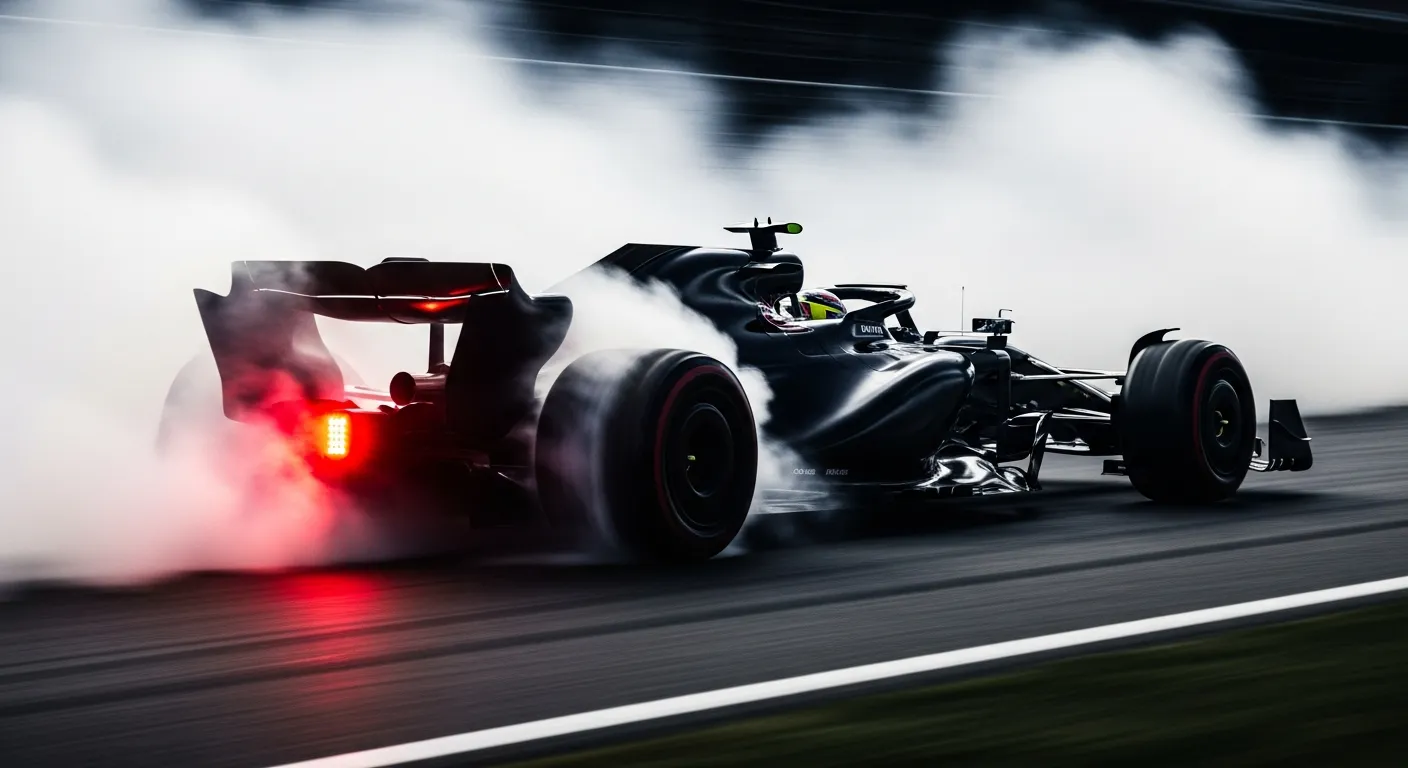
Nico Hülkenberg's performance at the 2014 Austrian Grand Prix saw him secure a points finish for Force India, demonstrating a methodical approach to race day at the Red Bull Ring. Starting from tenth on the grid, Hülkenberg navigated the 71-lap race to cross the finish line in ninth position, adding two valuable points to his season tally. His final race time of +44.137 seconds behind winner Nico Rosberg underscored a steady, unblemished drive, a hallmark of his career in Formula 1. The German driver completed all 71 laps, maintaining a consistent pace throughout the event, a performance that is meticulously tracked by official [Formula 1 data systems](https://www.formula1.com/en) for every Grand Prix.
While Hülkenberg delivered a solid result, his teammate Sergio Pérez produced a particularly standout drive. Pérez, starting five positions behind Hülkenberg in 15th, climbed an impressive nine places to finish sixth, also setting the fastest lap of the race with a 1:12.142 on lap 59. This contrast highlighted Force India's competitive package on the day, particularly in Pérez's hands, and offered a glimpse into the varied strategies and race management within a single team. Hülkenberg's own fastest lap, a 1:13.156 on lap 60, ranked 11th overall, indicating a strong late-race push, yet it was not quite enough to match Pérez's ultimate pace. The intricacies of race strategy and car performance are often analyzed through comprehensive [F1 data archives](https://api.jolpi.ca/ergast/f1/2026.json) that track every lap and sector performance.
The 2014 season was a period of significant technical transition in Formula 1, with the introduction of new hybrid power units and revised aerodynamic regulations. This demanded considerable adaptation from both teams and drivers, a shift extensively detailed in the [FIA — F1 World Championship](https://www.fia.com/events/fia-formula-one-world-championship) technical guidelines. Hülkenberg's consistent points finishes, including this P9, were crucial for Force India in the constructors' championship, where every point contributed to their standing against better-resourced teams. His ability to extract performance and avoid errors, a trait that would follow him through his extensive career, even into later seasons like when we saw [Nico Hülkenberg at the 2026 São Paulo Grand Prix](/results/2026-interlagos-nico-hulkenberg), showcased his reliability and technical understanding. This race also provided a benchmark for other midfield contenders, much like how future talents such as [Isack Hadjar at the 2026 São Paulo Grand Prix](/results/2026-interlagos-isack-hadjar) will be evaluated against established drivers like [Max Verstappen at the 2026 Las Vegas Grand Prix](/results/2026-las-vegas-max-verstappen) in their respective eras.
Hülkenberg's two points from Spielberg contributed to his strong individual season, where he consistently demonstrated his capability to convert qualifying positions into race results. The Red Bull Ring, a circuit known for its challenging elevation changes and fast corners, demanded precision and strategic tire management, and Hülkenberg delivered a clean drive under pressure. This event was a testament to the competitive nature of the midfield in the 2014 [Formula One](https://en.wikipedia.org/wiki/Formula_One) season, where every position gained and every point scored was hard-fought. His steady performance ensured Force India maintained its presence within the top ten, a vital aspect for a privateer team aiming for constructors' championship relevance. Further details on the season's driver and constructor standings, along with race reports, can be found on the [official F1 website](https://www.formula1.com/en). The strategic choices made during the race, particularly regarding pit stops and tire compounds, played a significant role in the final classifications across the field, a common theme in modern [F1 racing](https://en.wikipedia.org/wiki/Formula_One_racing).
Verified race record · Ergast
Grid
P10
Finish
P9
Points
2
Laps
71
Constructor
Force India F1 Team
Status
Finished
Teammate that weekend
Sergio Pérez
Grid P15 · Finish P6 · 8 pts
Championship · before vs after
Before round 8
P657 pts
After round 8
P659 pts