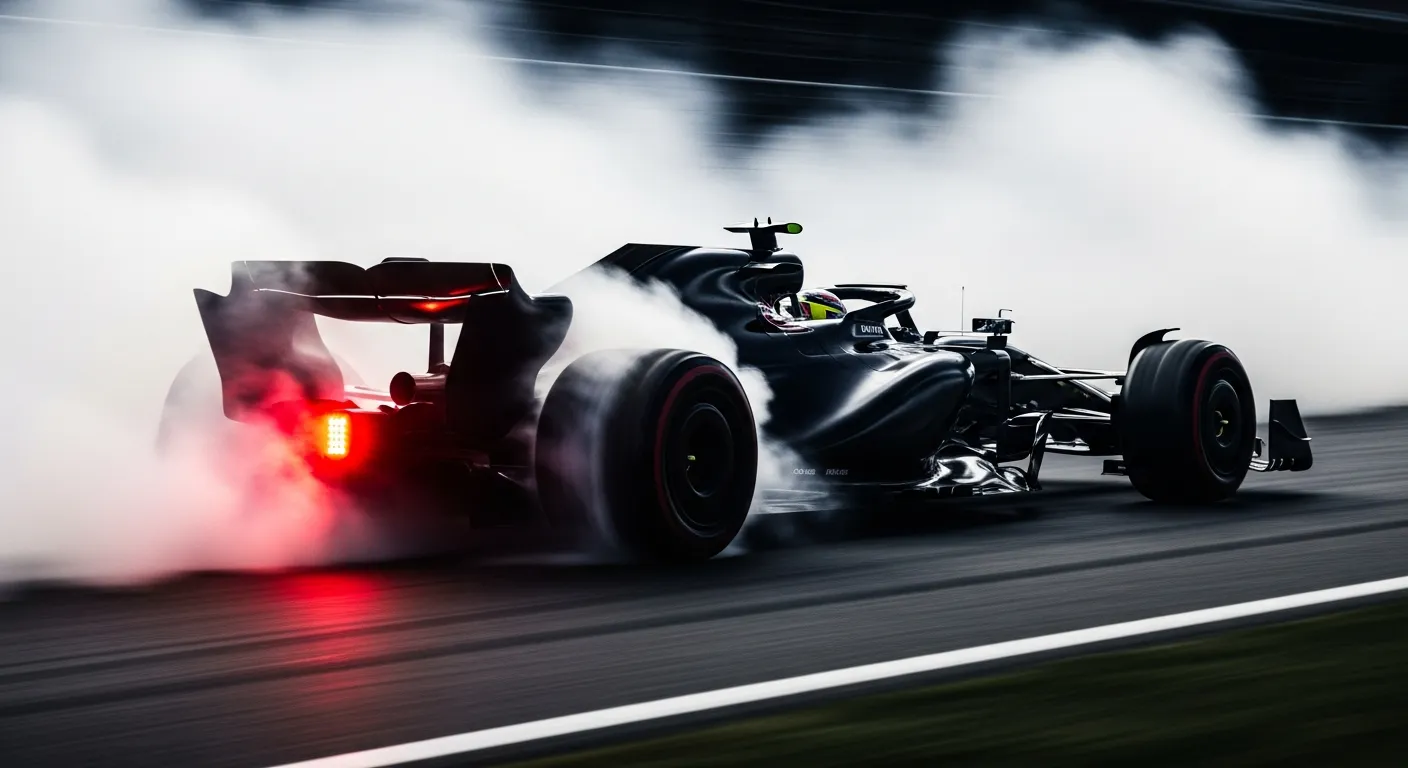
Carlos Sainz's participation in the 2017 Mexican Grand Prix at the Autódromo Hermanos Rodríguez concluded with an engine-related retirement, marking a challenging Sunday for Renault. Starting from eighth on the grid, Sainz had navigated the initial phases of the race, posting a fastest lap of 1:21.360 on lap 34. This performance placed him 15th in the overall fastest lap rankings for the event, demonstrating some pace despite the eventual outcome. The high altitude of Mexico City often tests power units, and for Renault, both cars ultimately succumbed to technical issues. Sainz's teammate, Nico Hülkenberg, also retired earlier in the race due to an electrical problem after just 24 laps, underscoring the reliability struggles faced by the French constructor that weekend. Such mechanical failures are a stark reminder of the intricate engineering demands in [Formula 1 — official site](https://www.formula1.com/en), where every component is pushed to its limit.
The retirement on lap 59 meant Sainz did not register a classified finish or points for the Mexican Grand Prix, maintaining his championship position of ninth with 54 points. This DNF was a setback, especially given his strong qualifying performance. The race itself, won by Max Verstappen, saw significant attrition, with several drivers, including [Daniel Ricciardo](https://www.formula1.com/en/drivers/daniel-ricciardo.html) and [Brendon Hartley](https://www.formula1.com/en/drivers/brendon_hartley.html), also retiring due to engine issues. Understanding these outcomes requires comprehensive [F1 World Championship data](https://www.fia.com/events/fia-formula-one-world-championship) for analysis. While the immediate result was disappointing, such experiences contribute to the continuous development cycle for teams in the [FIA F1 World Championship](https://www.fia.com/events/fia-formula-one-world-championship). The technical challenges of a Grand Prix are a constant factor, as seen in other events where drivers like [Pierre Gasly at the 2024 Canadian Grand Prix](/results/2024-montreal-pierre-gasly), [Esteban Ocon at the 2024 Canadian Grand Prix](/results/2024-montreal-esteban-ocon), or even fellow Spanish driver [Fernando Alonso at the 2024 Canadian Grand Prix](/results/2024-montreal-fernando-alonso) faced their own mechanical or strategic hurdles. For a broader understanding of the sport's history, the [Wikipedia: Formula One](https://en.wikipedia.org/wiki/Formula_One) page offers extensive context, and detailed historical results can be explored via [Jolpica/Ergast — 2026 season data](https://api.jolpi.ca/ergast/f1/2026.json). Despite the retirement, Sainz's season with Renault had seen moments of strong performance, setting the stage for future campaigns, as documented on the [official Formula 1 site](https://www.formula1.com/en).
Verified race record · Ergast
Grid
P8
Finish
Steering
Points
0
Laps
59
Constructor
Renault Sport Formula One Team
Status
Steering
Teammate that weekend
Nico Hülkenberg
Grid P7 · Power unit · 0 pts
Championship · before vs after
Before round 18
P954 pts
After round 18
P954 pts