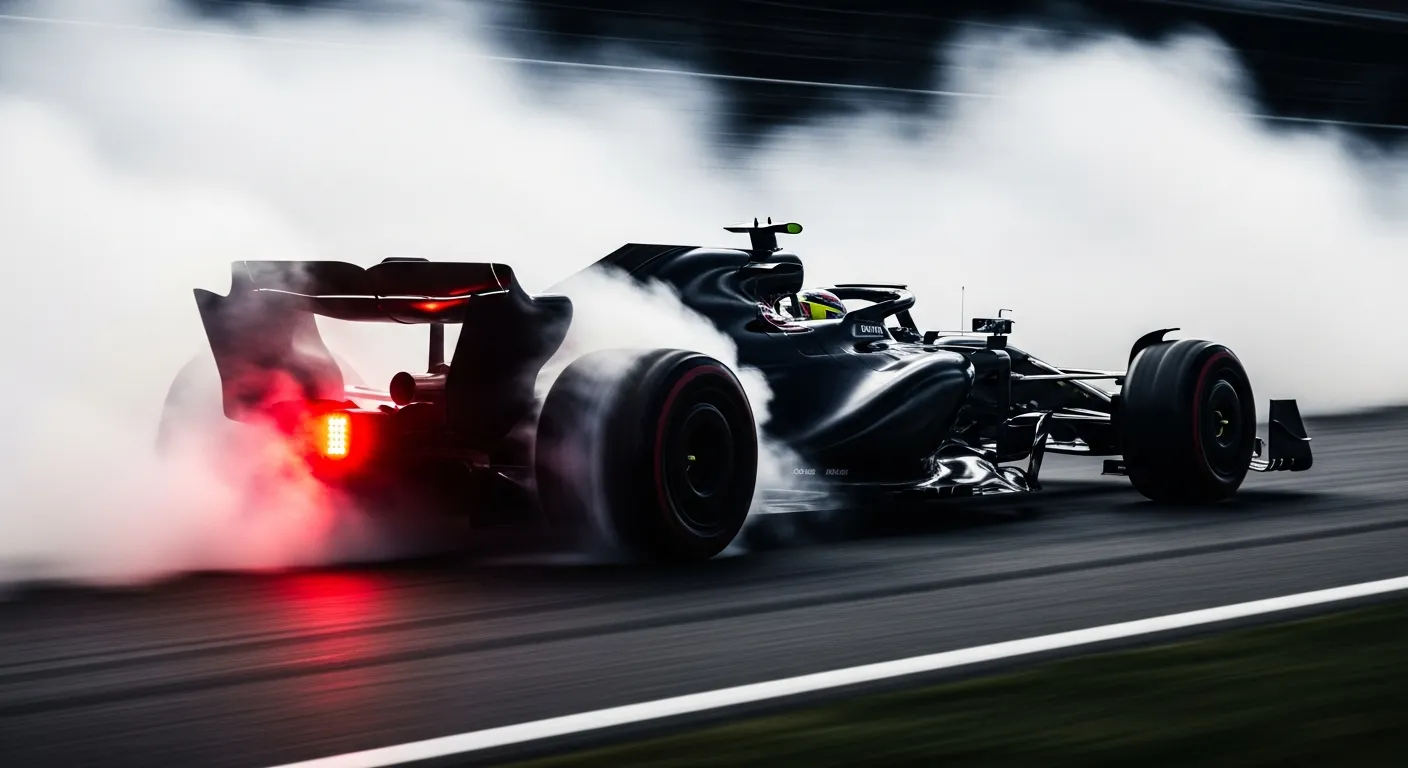
Carlos Sainz's drive at the 2018 Azerbaijan Grand Prix exemplified a disciplined approach amidst a race punctuated by multiple incidents, securing a top-five finish for Renault Sport Formula One Team. Starting from ninth on the grid, Sainz maintained composure through various safety car periods and on-track skirmishes at the [Baku City Circuit](https://www.formula1.com/en/circuits/azerbaijan/baku-city-circuit.html). The race, held on April 29, 2018, saw significant attrition, notably the collision between the two Red Bull drivers, Max Verstappen and Daniel Ricciardo, which brought out a safety car and dramatically reshaped the running order. Sainz capitalized on these events, demonstrating strong race management to advance four positions from his starting grid slot. His fastest lap, a 1:46.856 on lap 50, underscored a consistent pace towards the end of the 51-lap event. This performance was a stark contrast to his teammate, [Nico Hülkenberg](/results/2016-bahrain-nico-hulkenberg), who retired after just 10 laps due to an accident, highlighting the fine margins and unpredictable nature of racing on the streets of Baku.
The Spanish driver's strategic execution allowed him to cross the finish line with a total race time of 1:43:51.806, securing 10 points for the [Renault Sport Formula One Team](https://www.formula1.com/en/teams/Renault.html). This result placed him ahead of drivers like Charles Leclerc, who finished sixth for Sauber, and Fernando Alonso, who took seventh for McLaren. The unpredictable conditions of the [Formula One World Championship](https://www.fia.com/events/fia-formula-one-world-championship) often reward consistent driving, and Sainz's ability to avoid the pitfalls that caught out many others was key. For context on how driver performance can vary across circuits and seasons, one might look at [Max Verstappen's 2026 Canadian Grand Prix](/results/2026-montreal-max-verstappen) or even the early career challenges faced by drivers like [Liam Lawson at the 2026 Canadian Grand Prix](/results/2026-montreal-liam-lawson). The data from the 2018 Azerbaijan Grand Prix, available through resources like the [Jolpica/Ergast F1 data archive](https://api.jolpi.ca/ergast/f1/2026.json), confirms Sainz's steady progression. His methodical race craft ensured a valuable points haul for the French constructor, contributing significantly to their championship standing at that point in the season. Understanding the broader context of [Formula One regulations](https://www.fia.com/fia-formula-1-world-championship) helps illuminate the strategic decisions made during such a dynamic race. This performance is a key part of the larger narrative of [Formula One](https://en.wikipedia.org/wiki/Formula_One) history.
Verified race record · Ergast
Grid
P9
Finish
P5
Points
10
Laps
51
Constructor
Renault Sport Formula One Team
Status
Finished
Teammate that weekend
Nico Hülkenberg
Grid P14 · Accident · 0 pts
Championship · before vs after
Before round 4
P123 pts
After round 4
P1013 pts