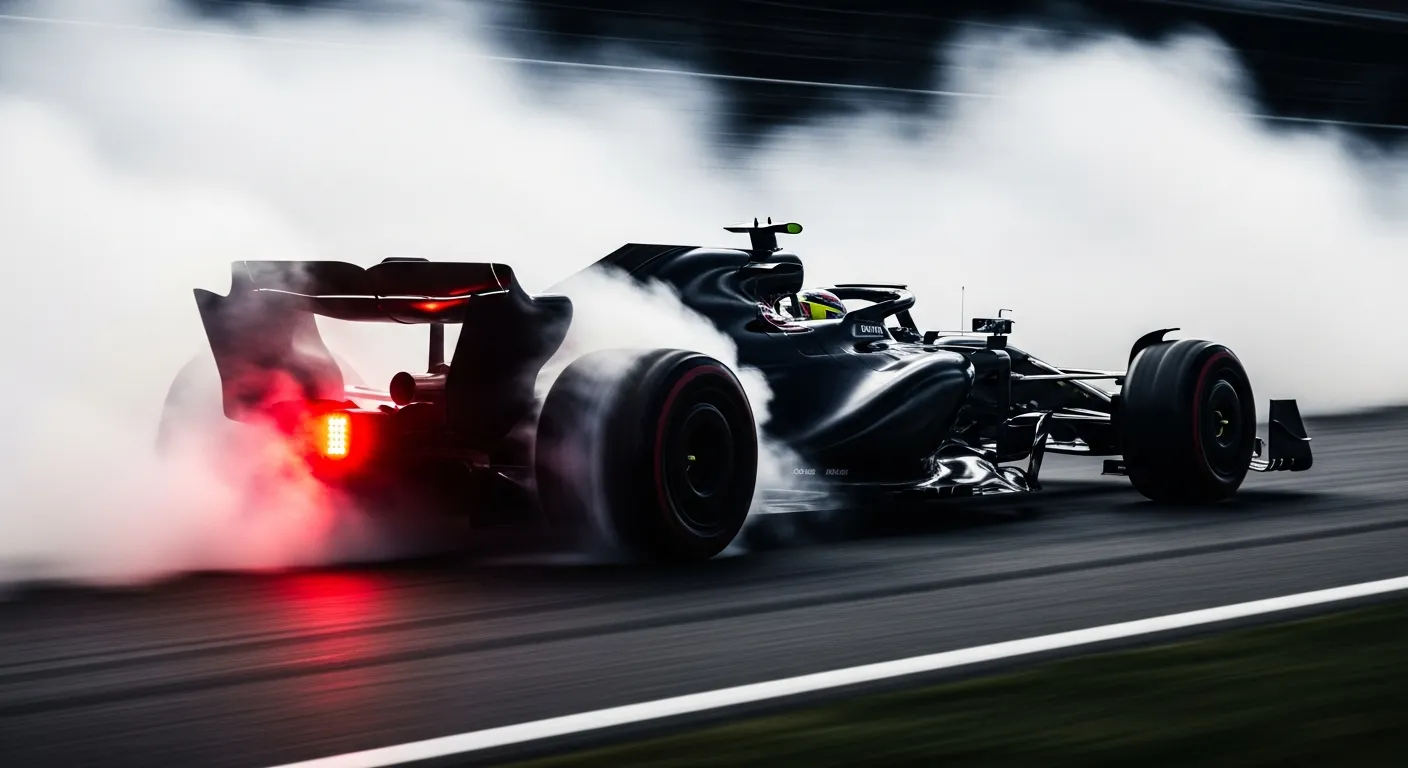
Carlos Sainz's drive at the 2023 Azerbaijan Grand Prix was a demonstration of consistent race management, navigating the demanding Baku City Circuit to secure a top-five position for Scuderia Ferrari. Starting from fourth on the grid, Sainz completed all 51 laps of the Grand Prix, crossing the finish line with a total time of 1:33:27.927. While his teammate Charles Leclerc, who started from pole, secured a podium finish in third, Sainz maintained a steady pace throughout the race, preventing any significant drops in position. His fastest lap, a 1:45.175 on lap 48, ranked sixth overall among all competitors, indicating a late-race push for performance. The strategic demands of the [Baku City Circuit](https://www.formula1.com/en/racing/2023/Azerbaijan/Circuit.html) often present unique challenges, and Sainz's ability to hold his ground against a competitive field, including the likes of [Fernando Alonso at the 2019 British Grand Prix](/results/2019-silverstone-fernando-alonso), underscored a disciplined approach. For a deeper dive into how race results are officially recorded, the [FIA's F1 World Championship](https://www.fia.com/events/fia-formula-one-world-championship) provides comprehensive documentation.
The race saw Sainz defending against strong contenders, ultimately finishing behind the Red Bull duo of Sergio Pérez and Max Verstappen, and his teammate Leclerc, as well as Fernando Alonso. This result contributed 10 points to his championship tally. The performance in Baku, a circuit known for its high-speed sections and tight technical turns, requires a balance of raw pace and strategic tire management, aspects detailed in the [Formula 1 technical regulations](https://www.formula1.com/en/docs/regulations.html). Sainz's race contrasted with some of the more dramatic outings seen on street circuits, such as [Pierre Gasly at the 2019 British Grand Prix](/results/2019-silverstone-pierre-gasly), highlighting the varied demands on drivers. Understanding the nuances of these race outcomes often involves analyzing extensive [F1 season data](https://api.jolpi.ca/ergast/f1/2026.json) to track trends and driver performance across different track types. This consistent points finish was crucial for Ferrari's constructor's championship aspirations, providing valuable data for future car development, a process often outlined on the [official Formula 1 site](https://www.formula1.com/en). The broader context of Formula One racing, its history, and evolution can be explored on [Wikipedia: Formula One](https://en.wikipedia.org/wiki/Formula_One). For comparisons in managing race pace and strategy, one might look at [Alexander Albon at the 2019 British Grand Prix](/results/2019-silverstone-alex-albon).
Verified race record · Ergast
Grid
P4
Finish
P5
Points
10
Laps
51
Constructor
Scuderia Ferrari
Status
Finished
Teammate that weekend
Charles Leclerc
Grid P1 · Finish P3 · 15 pts
Championship · before vs after
Before round 4
P520 pts
After round 4
P534 pts