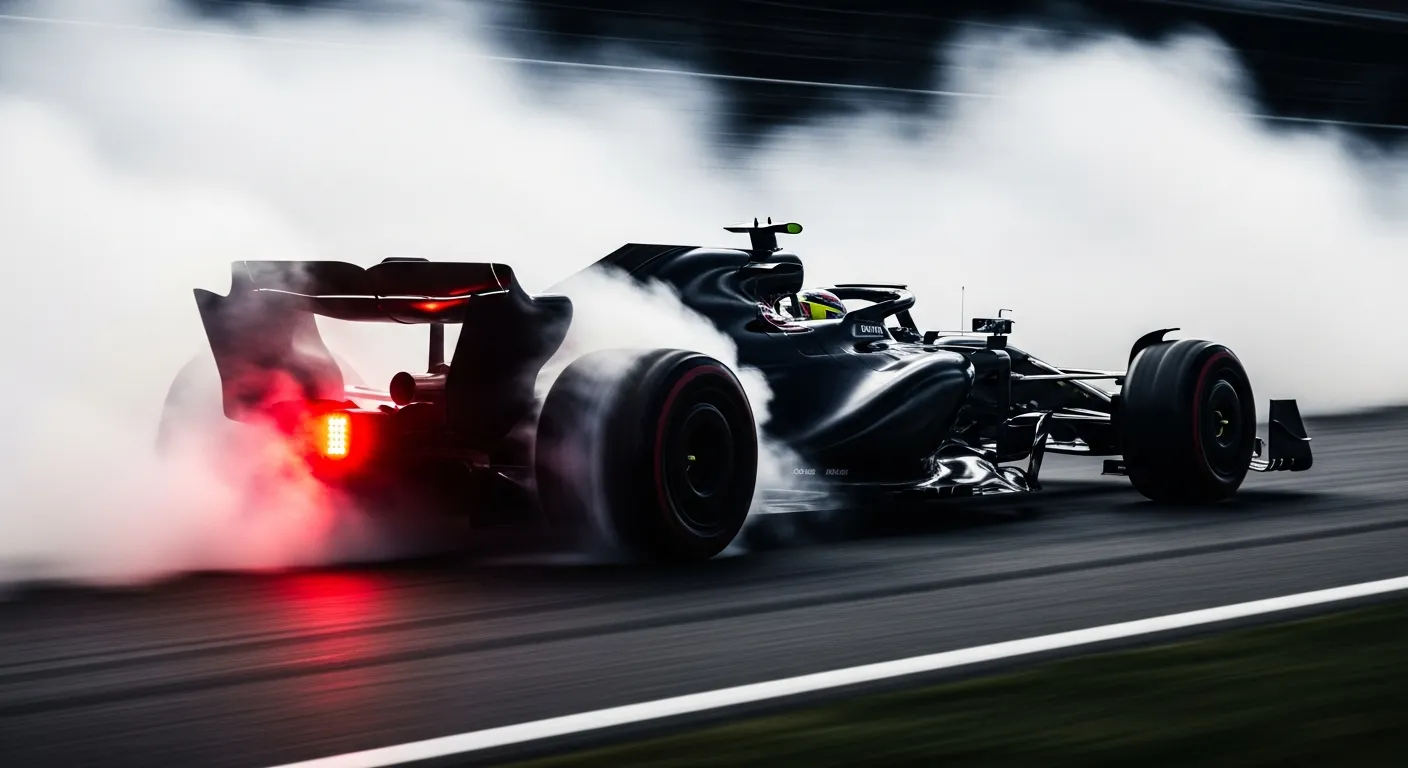
Max Verstappen's campaign to defend his newly acquired world championship title commenced with an unexpected and frustrating retirement at the 2022 Bahrain Grand Prix, a stark contrast to the dominant form anticipated from Red Bull Racing. Starting from second on the grid, Verstappen immediately engaged in an intense battle for the lead with Charles Leclerc, demonstrating the raw pace and competitive spirit of the new RB18 chassis. The initial phases of the race saw multiple strategic pit stops and wheel-to-wheel action, particularly after safety car periods, where Verstappen consistently challenged for the top spot. His aggressive driving style and ability to extract performance were evident as he pushed the limits, often attempting overtakes on Leclerc. On lap 51, he recorded his fastest lap of the race, a 1:35.440, ranking him second overall for fastest laps, just behind Leclerc's pole-setting 1:34.570. This impressive pace underscored the potential of the Red Bull package, even as the race unfolded with high drama and strategic nuances. The relentless fight for position was a clear indication that the new technical regulations for the [Formula 1 — official site](https://www.formula1.com/en) season had indeed delivered closer racing and a genuine battle at the front. The early exchanges with Leclerc were particularly captivating, setting a high bar for the season's rivalry.
However, the promising performance of the Dutchman was abruptly curtailed in the closing stages. With just three laps remaining, Verstappen was forced to retire his Red Bull Racing car on lap 54 due to a "Fuel system" issue, classifying him in 19th position. This mechanical failure was compounded by a similar fate befalling his teammate, Sergio Pérez, who retired two laps later on lap 56, also due to a "Fuel system" problem, classified 18th. The double DNF for Red Bull Racing was a significant blow, ceding valuable early points to competitors and raising immediate concerns about the reliability of their new power unit. Ferrari, in particular, capitalized on Red Bull's misfortune, with Charles Leclerc securing the victory and Carlos Sainz Jr. taking second place, marking a strong start for the Scuderia. Sainz's consistent performance here echoed his solid drive at events like [Carlos Sainz at the 2019 Japanese Grand Prix](/results/2019-suzuka-carlos-sainz). The reliability concerns immediately put Red Bull on the back foot, a critical factor in the nascent championship battle. For a deeper dive into the technical aspects of F1 power units and fuel systems, the [Wikipedia: Formula One](https://en.wikipedia.org/wiki/Formula_One) page offers comprehensive background on the sport's engineering challenges. This event highlighted the fine margins in F1, where even the fastest cars can be undone by mechanical issues, a scenario not entirely unfamiliar in the sport's history, as seen with [Max Verstappen at the 2019 Bahrain Grand Prix](/results/2019-bahrain-max-verstappen) where he finished fourth after starting fifth. The detailed data from the 2022 season, including this race, is meticulously recorded by services like [Jolpica/Ergast — 2026 season data](https://api.jolpi.ca/ergast/f1/2026.json), providing granular insights into every round of the [FIA — F1 World Championship](https://www.fia.com/events/fia-formula-one-world-championship). The early season reliability woes would become a narrative thread for Red Bull, contrasting sharply with the strong start from Ferrari, a team that had also faced its own reliability challenges in previous seasons, notably with [Charles Leclerc at the 2019 Bahrain Grand Prix](/results/2019-bahrain-charles-leclerc) who experienced power unit issues late in that race. Such technical failures, governed by stringent [FIA — F1 World Championship](https://www.fia.com/events/fia-formula-one-world-championship) regulations, underscore the complexity of modern Formula 1 machinery and the constant development battles detailed on the [Formula 1 — official site](https://www.formula1.com/en).
Verified race record · Ergast
Grid
P2
Finish
P19
Points
0
Laps
54
Constructor
Red Bull Racing
Status
Fuel system
Teammate that weekend
Sergio Pérez
Grid P4 · Finish P18 · 0 pts
Championship · before vs after
Before round 1
P190 pts
After round 1
P190 pts