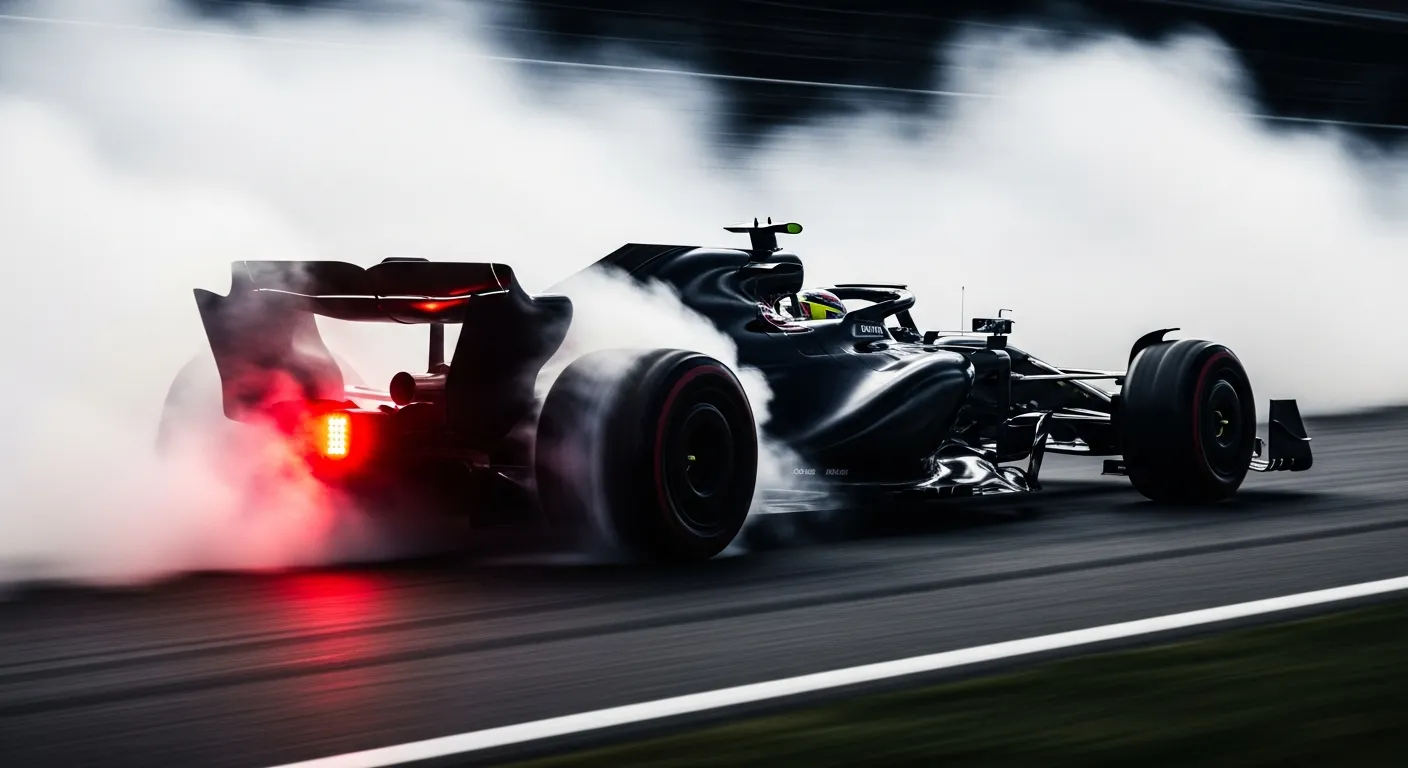
Max Verstappen's victory at the 2022 Saudi Arabian Grand Prix on March 27, 2022, was a crucial turning point for his season, securing his first 25 points for Red Bull Racing after starting from fourth on the grid. This win at the Jeddah Corniche Circuit, completed in 1:24:19.293 over 50 laps, demonstrated a strong recovery following a challenging opening round in Bahrain where he retired. The race quickly developed into a strategic and high-tension duel with Charles Leclerc, who had started from second position. Verstappen, piloting the Red Bull RB18, steadily advanced through the field, meticulously managing his pace and tire degradation on the demanding street circuit. The Jeddah track, known for its high-speed sections and tight corners, places unique demands on both car setup and driver precision, making overtakes challenging yet rewarding. This dynamic often leads to close-quarters racing, a characteristic that was evident throughout the 2022 event, providing a compelling spectacle for fans and analysts alike.
The battle for the lead intensified significantly in the closing laps, evolving into a cat-and-mouse game between Verstappen and Leclerc, particularly concerning the deployment of DRS. Both drivers showcased exceptional race craft, strategically backing off at the final corner to gain the DRS advantage on the main straight, a tactical nuance that defined their fight. Verstappen ultimately prevailed by a narrow margin of 0.549 seconds, a testament to his relentless pursuit and the finely tuned performance of his Red Bull machine. His fastest lap, a 1:31.772 recorded on lap 50, was the second quickest of the race, underscoring his late-race charge to secure the win. Teammate Sergio Pérez, who had started from pole position, finished in fourth, contributing valuable points to Red Bull Racing's constructor's tally. The 2022 season marked the introduction of significant new technical regulations, fundamentally altering car design and aerodynamic principles, as detailed by the [FIA — F1 World Championship](https://www.fia.com/events/fia-formula-one-world-championship). These changes were designed to promote closer racing and more overtaking opportunities, and the Jeddah event provided compelling evidence of their impact, a topic often discussed on the [Formula 1 — official site](https://www.formula1.com/en). Verstappen's ability to adapt to these new regulations and execute a flawless race strategy on such a demanding circuit was key to his success. For a comprehensive overview of Formula 1's history and regulations, the [Wikipedia: Formula One](https://en.wikipedia.org/wiki/Formula_One) entry serves as an excellent reference. Further insights into race data and historical results can be found via platforms like [Jolpica/Ergast — 2026 season data](https://api.jolpi.ca/ergast/f1/2026.json), which provides detailed statistics for every Grand Prix. The official [Formula 1 — official site](https://www.formula1.com/en) also offers extensive race reports, driver profiles, and historical data, making it a primary resource for fans. This particular race highlighted the intense competition that defined the early part of the 2022 season, a dynamic also observed in the performances of drivers such as [Charles Leclerc at the 2021 Singapore Grand Prix](/results/2021-marina-bay-charles-leclerc) and [George Russell at the 2021 Singapore Grand Prix](/results/2021-marina-bay-george-russell) in their respective campaigns. The consistent point-scoring of drivers like [Lando Norris at the 2021 Singapore Grand Prix](/results/2021-marina-bay-lando-norris), who secured seventh place in Jeddah, further illustrates the depth of talent and competitive pressure across the grid. The strategic battles and car development under the new regulations were a constant theme, with teams continually refining their approaches throughout the year, a process overseen by the [FIA — F1 World Championship](https://www.fia.com/events/fia-formula-one-world-championship).
Verified race record · Ergast
Grid
P4
Finish
P1
Points
25
Laps
50
Constructor
Red Bull Racing
Status
Finished
Teammate that weekend
Sergio Pérez
Grid P1 · Finish P4 · 12 pts
Championship · before vs after
Before round 2
P190 pts
After round 2
P325 pts