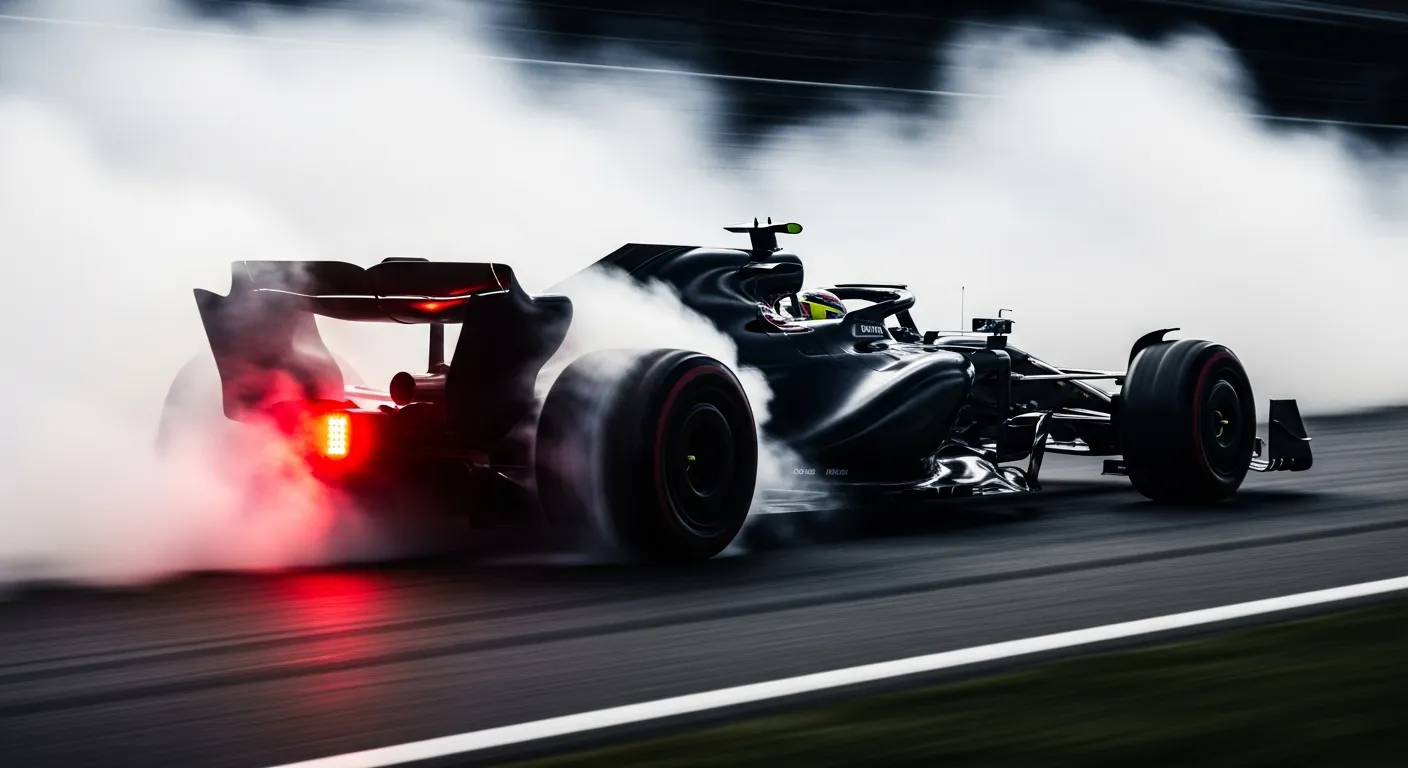
The paddle shift system is the primary interface through which a Formula 1 driver directly commands their car's intricate gearbox, allowing for instantaneous gear changes critical to optimizing speed and control. These distinctive levers, mounted directly behind the steering wheel, enable drivers to execute lightning-fast upshifts and downshifts without removing their hands from the wheel, a stark contrast to the manual stick shifts of yesteryear. The right paddle typically controls upshifts, while the left handles downshifts, operating a semi-automatic sequential gearbox. This design is mandated by FIA Formula One regulations, which govern everything from engine specifications to safety standards, ensuring a level playing field and driver focus on steering and throttle.
TheThe strategic use of paddle shifts is paramount throughout a Grand Prix weekend. During qualifying, drivers meticulously select gears to maximize acceleration out of corners and achieve the highest possible speed on straights, aiming for a perfect lap that could yield a Purple Sector. On race day, precise gear selection is vital for managing tire wear, especially with various Pirelli tire compounds available, and for maintaining optimal traction. A driver might short-shift (upshift earlier than usual) to reduce wheelspin and protect the tires, or hold a gear longer to maintain engine RPMs for better response when exiting a corner.
Consider a driver navigating the tight chicanes of Monaco or the sweeping bends of Silverstone. As they approach a corner, a series of rapid downshifts, often accompanied by engine braking, helps slow the car and prepare for turn-in. Hitting the Apex perfectly requires selecting the correct gear to balance grip and power, ensuring maximum acceleration on corner exit. Conversely, on long straights, drivers will quickly cycle through the gears, maximizing the engine's power band to achieve top speed. The speed at which these changes occur is astounding, often taking mere milliseconds, making the paddle shift system a cornerstone of modern F1 performance. For a broader understanding of this mechanism in motorsport, the Wikipedia glossary entry on paddle shift provides excellent context.
Common viewer confusion often stems from the seamless nature of these gear changes. It might appear as if the cars are fully automatic, given the absence of a clutch pedal for gear changes (though a clutch paddle is used for starts and pit stops). However, the driver retains full manual control over gear selection, making crucial decisions hundreds of times per lap. Misjudging a downshift can lead to locking up the rear wheels, potentially causing a spin or flat-spotting tires. Conversely, an imprecise upshift can cost valuable tenths of a second, especially when battling for position or trying to maintain the ideal Racing Line. The skill lies not just in the speed of the shift, but in the intelligent application of the right gear at the right moment.
Common questions
- Do F1 cars have a clutch pedal?
- Modern F1 cars do not have a traditional clutch pedal for driving. Drivers use a clutch paddle on the steering wheel primarily for race starts and when pulling away from a pit stop. Once the car is moving, gear changes are handled solely by the paddle shifts.
- How many gears does an F1 car have?
- Current Formula 1 regulations stipulate that cars must have eight forward gears and one reverse gear. This fixed number of ratios is part of the technical rules designed to manage performance and development costs across the grid.
- How fast can an F1 driver shift gears?
- F1 drivers can shift gears incredibly quickly, with changes occurring in milliseconds. The precise timing and execution of these shifts are crucial for maintaining engine RPMs, optimizing acceleration, and minimizing any loss of momentum during a lap.