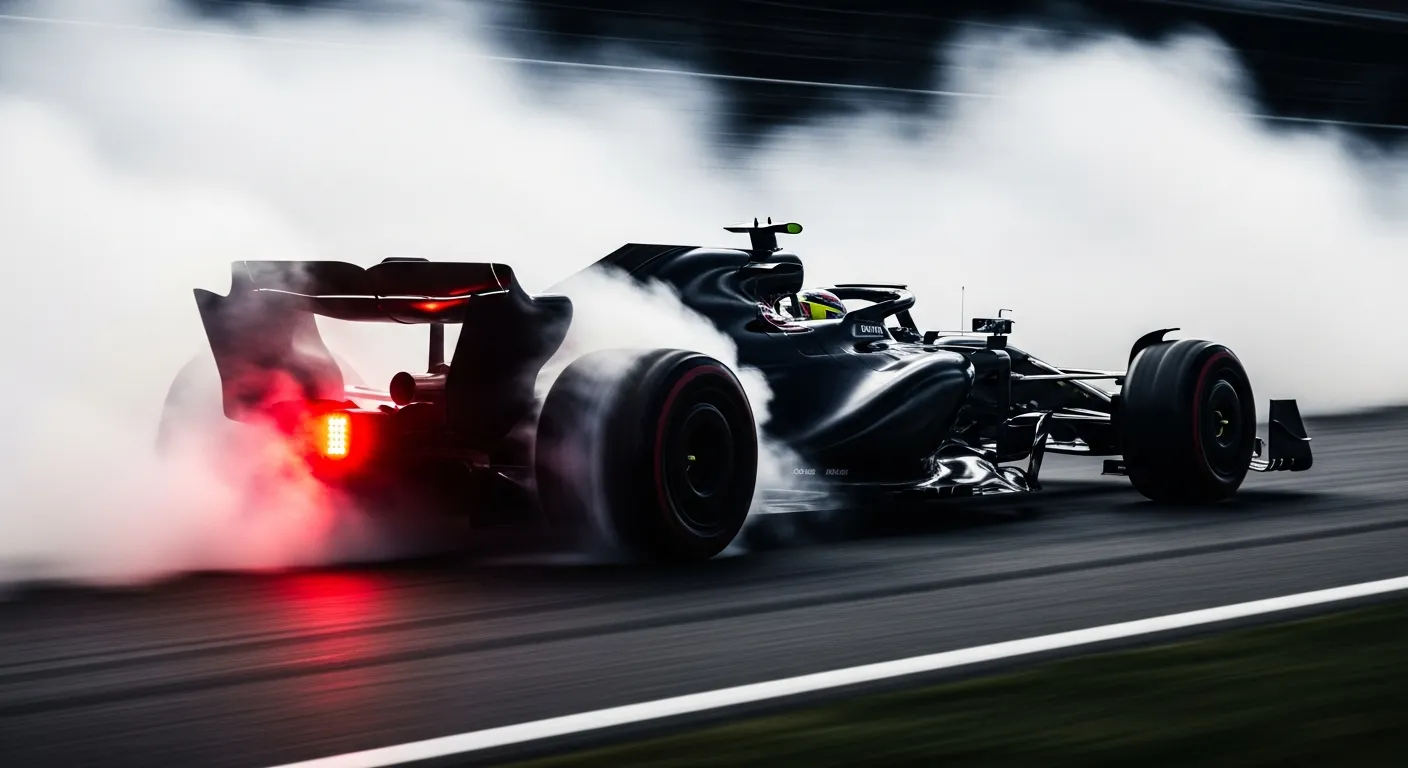
Understeer is a fundamental handling characteristic in Formula 1 where the front wheels lose grip, causing the car to resist turning into a corner as much as the driver commands. It's often described as the car's nose "washing out" or "pushing" wide, making it difficult for the driver to hit the apex and exit the corner efficiently.
The Physics of Understeer
This phenomenon occurs when the front tires exceed their maximum grip limit, failing to generate enough lateral force to change the car's direction. Several factors can contribute to understeer, including excessive speed entering a corner, insufficient front aerodynamic downforce, an imbalance in the car's mechanical setup, or simply worn-out front tires. The interaction between tire compounds, track surface, and the car's intricate aerodynamics is constantly at play. For a deeper dive into the mechanics, the understeer — Wikipedia glossary entry offers a comprehensive explanation.
Impact on Performance and Strategy
In a race, understeer is a significant performance killer. A car struggling with understeer will consistently lose time in corners, as the driver has to slow down more to compensate or take a wider, less optimal line. This translates directly into a higher delta per lap, eroding any advantage gained on straights. Furthermore, persistent understeer can accelerate front tire degradation, forcing teams to consider earlier pit stops or risk a further drop in pace. Drivers often provide detailed feedback to their engineers via radio, which is then corroborated by telemetry data, allowing the team to make setup adjustments during practice sessions or plan strategic changes during the race.
Teams spend countless hours refining their car's balance to minimize understeer, often a delicate compromise with oversteer. The FIA Formula One regulations heavily influence car design, dictating aspects like wing dimensions and floor geometry, which in turn affect how teams manage aerodynamic balance and prevent excessive understeer. For instance, a car that is inherently understeery might struggle on circuits with many tight, slow-speed corners, whereas a more balanced car would excel. Understanding the nuances of Pirelli's tire compounds is also crucial, as different compounds react differently to loads and temperatures, directly impacting grip levels and the propensity for understeer.
Driver Feedback and Resolution
Drivers often describe understeer as a frustrating lack of responsiveness, where the steering wheel input doesn't translate into the desired turn. While a small amount of understeer can sometimes be desirable for stability, particularly in high-speed corners, excessive understeer makes a car unpredictable and slow. Teams work to dial out understeer through various setup changes, such as adjusting front wing angle, suspension stiffness, or tire pressures. A driver might try to mitigate it by trail braking deeper into the corner or by being more gentle on turn-in, but these are often temporary fixes for a fundamental car balance issue. Viewers sometimes confuse understeer with a driver simply missing the apex, but the key distinction is the loss of front tire grip that prevents the car from following the intended line, rather than a driver error in judgment.
Common questions
- How do drivers correct understeer?
- Drivers primarily manage understeer by reducing speed before corner entry, being smoother with steering inputs, and sometimes adjusting brake bias. During a race, they might also try to cool the front tires or provide feedback for setup changes during pit stops.
- Is understeer worse than oversteer?
- Neither is inherently 'worse'; it depends on the driver's preference and car characteristics. Understeer is generally safer as it leads to the car running wide, while oversteer can cause spins. However, both significantly impede lap time.
- What causes understeer?
- Understeer can be caused by excessive speed into a corner, insufficient front aerodynamic downforce, an imbalanced mechanical setup (e.g., too stiff at the rear), or worn/overheated front tires that lose grip.