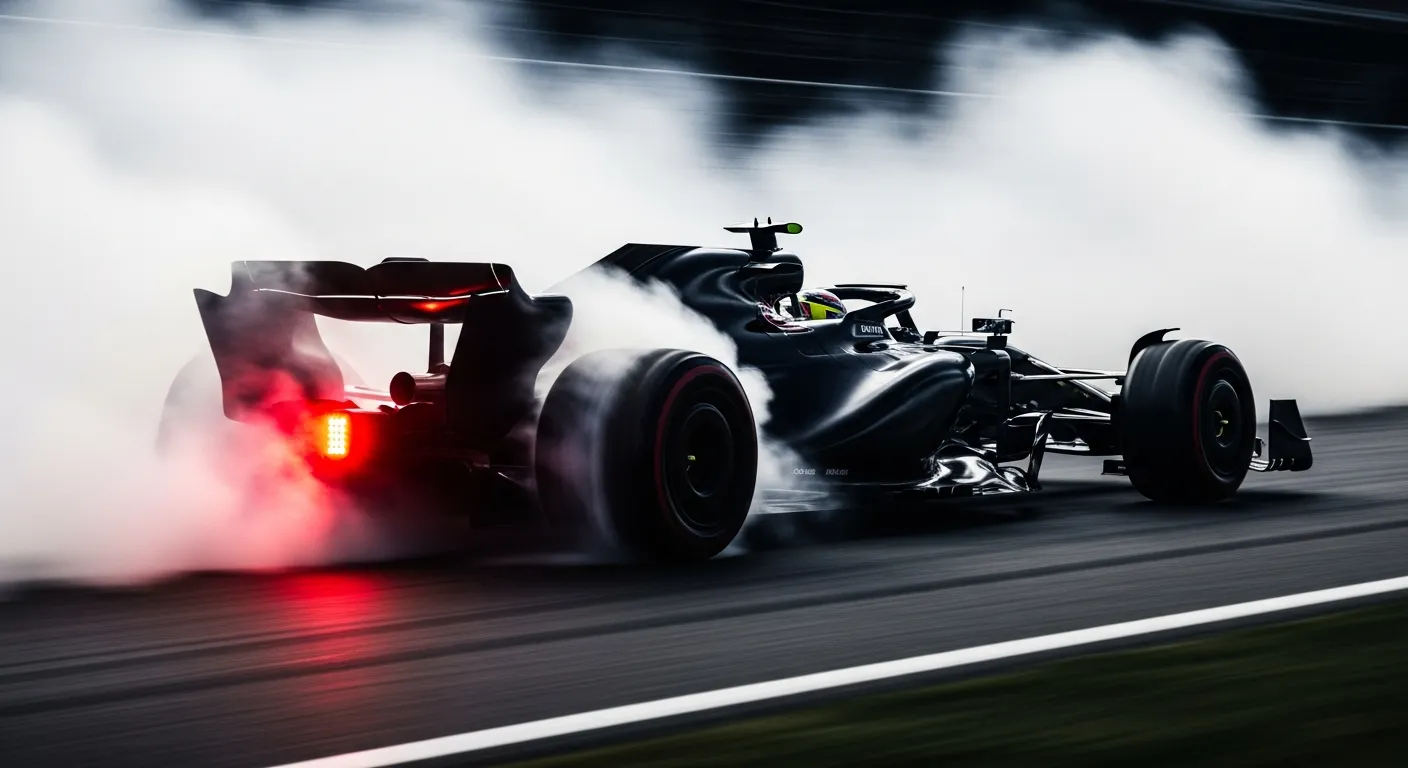
The 2020 Abu Dhabi Grand Prix at the Yas Marina Circuit served as a conclusive demonstration of Max Verstappen's burgeoning prowess, delivering a dominant performance that solidified his position as a future championship contender.
Qualifying
Qualifying for the season finale saw the pole-sitter deliver a formidable lap, securing the top spot with a margin that underscored Red Bull Racing's pace on this particular layout. This performance was a significant statement, breaking Mercedes' stronghold on pole positions at a circuit where they had historically excelled. The Mercedes drivers, while competitive, found themselves unable to match the ultimate pace of the Red Bull, setting the stage for a challenging race from the front row. This session was a critical indicator of the shifting competitive landscape, offering a glimpse into the potential for closer battles in subsequent seasons, as detailed by the official Formula 1 site.
Race
The race itself was largely controlled from the front. The pole-sitter maintained the lead comfortably through the opening laps, establishing a rhythm that the chasing pack struggled to disrupt. A pivotal moment arrived with the retirement of Sergio Pérez, which prompted the deployment of a Safety Car. This incident, occurring relatively early in the race, offered a strategic window for nearly the entire field to make their mandatory pit stop, effectively neutralizing any significant strategic variations that might have emerged. Post-Safety Car, the eventual winner continued to manage the race with precision, never truly threatened by the Mercedes cars behind. The controlled nature of the race, particularly after the Safety Car, meant that overtakes for significant positions were at a premium, a characteristic sometimes seen at the Yas Marina Circuit, similar to strategic considerations witnessed at events like the 2020 United States Grand Prix.
Strategic story
The Safety Car period was the defining strategic event of the 2020 Abu Dhabi Grand Prix. Prior to its deployment, a one-stop strategy was already the favored approach, moving from medium to hard compound tyres. The timing of the Safety Car, however, allowed teams to execute this stop with minimal time loss, creating a near-universal switch to the hard compound. This meant the remainder of the race became a test of tyre management and raw pace rather than complex strategic gambles. Teams had to ensure their drivers could extract consistent performance from the durable hard tyres for a long stint, a common challenge under FIA Formula One World Championship regulations for tyre usage. The lack of further incidents or significant tyre degradation meant that the strategic narrative was largely set by lap 10, leaving little room for dramatic shifts, unlike some more unpredictable races such as the 2020 Mexico City Grand Prix.
Championship impact
The 2020 Abu Dhabi Grand Prix concluded a unique and challenging season, though its outcome did not alter the championship standings. Both the Drivers' and Constructors' titles had already been secured by Lewis Hamilton and Mercedes-AMG Petronas F1 Team, respectively, in earlier rounds. This final race served to confirm the ultimate points tally for the season, solidifying positions within the top ten for various drivers and teams. While the main prizes were already distributed, the race offered a crucial opportunity for teams to gather data and build momentum for the upcoming season, a common objective at the final race of any campaign, reflecting the broader history of Formula One as a sport. For a detailed breakdown of the season's data, resources like Jolpica/Ergast F1 season data provide comprehensive insights into performance metrics across all races, including the 2020 season. The final points for teams and drivers were locked in, providing a definitive end to the season's competitive narrative, much like the conclusion of the 2020 São Paulo Grand Prix would have for its respective season if it had been the finale. The race also served as a final performance benchmark, with teams like Red Bull demonstrating their closing strength, hinting at future challenges for the established order, a sentiment often echoed in post-season analysis on various Formula 1 news platforms.
Read the full editorial
Full classified results
Every driver's verified grid-to-flag result from the 2020 Abu Dhabi Grand Prix — grid, finish, points, teammate H2H, and championship swing.
- P1Max VerstappenRed Bull25 pts
- P2Valtteri BottasMercedes18 pts
- P3Lewis HamiltonMercedes15 pts
- P4Alexander AlbonRed Bull12 pts
- P5Lando NorrisMcLaren10 pts
- P6Carlos SainzMcLaren8 pts
- P7Daniel RicciardoRenault7 pts
- P8Pierre GaslyAlphaTauri4 pts
- P9Esteban OconRenault2 pts
- P10Lance StrollRacing Point1 pts
- P12Kimi RäikkönenAlfa Romeo0 pts
- P13Charles LeclercFerrari0 pts
- P14Sebastian VettelFerrari0 pts
- P15George RussellWilliams0 pts
- —Sergio PérezRacing PointTransmission