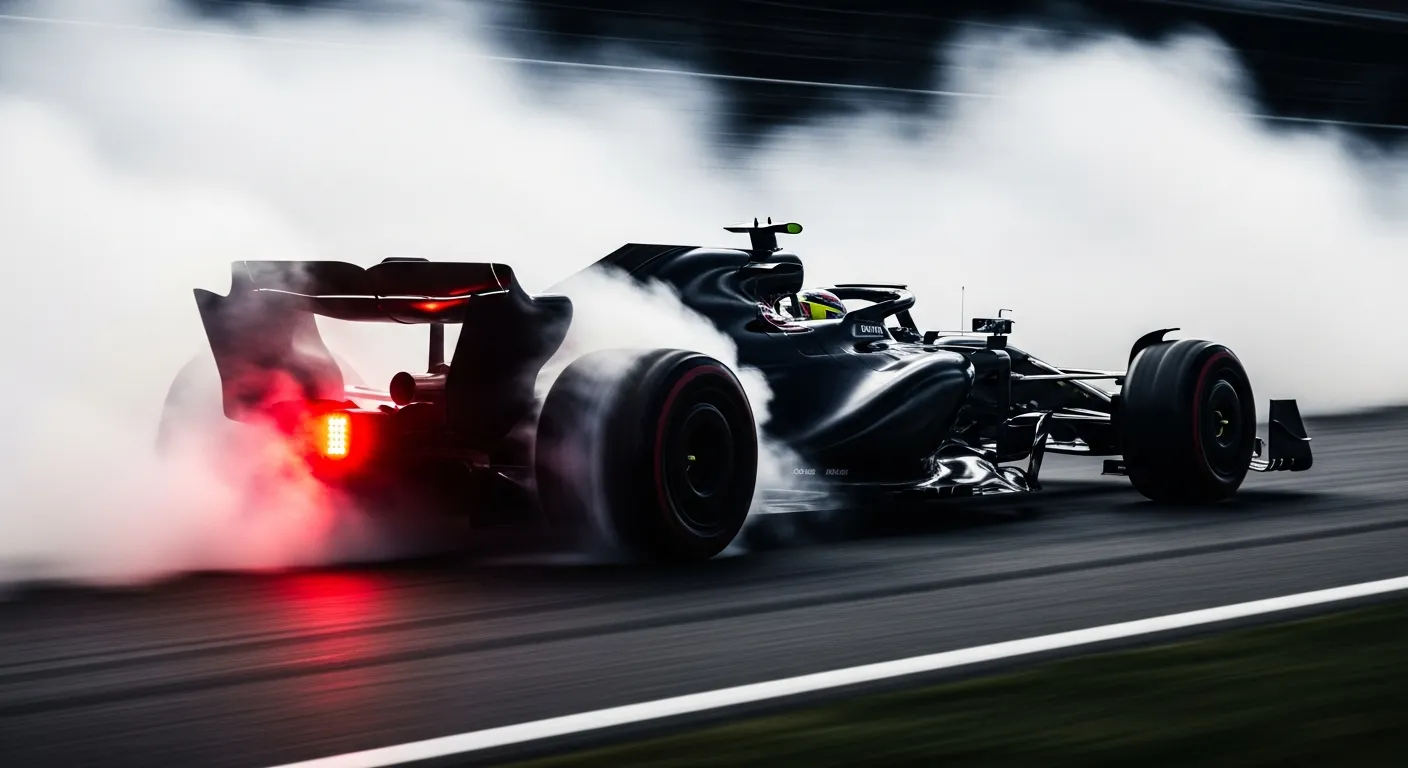
Fernando Alonso's final outing with Alpine at the 2022 Abu Dhabi Grand Prix was marred by a mechanical retirement, preventing him from seeing the chequered flag. Starting from a respectable 10th position on the grid, the Spanish driver aimed to conclude his second stint with the Enstone-based team on a high note. However, the race at the Yas Marina Circuit unfolded differently. Alonso was forced to retire on lap 27, with the official status citing a "Water leak" as the cause. This marked a frustrating end to a season that had seen its share of reliability challenges for the two-time world champion. Despite the early exit, Alonso had demonstrated competitive pace, recording his fastest lap of 1:30.579 on lap 24, which ranked 17th overall among all drivers.
The DNF meant Alonso scored no points, a stark contrast to his teammate Esteban Ocon, who navigated his Alpine to a 7th place finish, securing 6 points for the constructor. This disparity highlighted the inconsistent reliability that plagued Alpine's efforts throughout parts of the 2022 season, a factor that often impacted Alonso's race outcomes. For a driver of Alonso's caliber, who consistently pushes the limits of his machinery, such technical failures are particularly frustrating, especially when considering the broader context of the [Formula 1 — official site](https://www.formula1.com/en) championship where every point is critical for constructor standings. The retirement in Abu Dhabi was a bitter pill, especially as it closed the chapter on his time with Alpine before his anticipated move to Aston Martin. Reflecting on other drivers' experiences, reliability issues can dramatically alter a race narrative, much like when [Esteban Ocon at the 2020 Chinese Grand Prix](/results/2020-shanghai-esteban-ocon) faced his own challenges, or the strategic decisions made by drivers like [Carlos Sainz at the 2020 Chinese Grand Prix](/results/2020-shanghai-carlos-sainz) to manage their race. The detailed race data, often compiled by services like [Jolpica/Ergast — 2026 season data](https://api.jolpi.ca/ergast/f1/2026.json), provides a clear record of these outcomes, offering insights into the mechanical demands of modern F1. This race, unfortunately, added another entry to the list of technical retirements for Alonso in 2022, a theme that would undoubtedly influence his outlook for the following season. The intricacies of [Wikipedia: Formula One](https://en.wikipedia.org/wiki/Formula_One) racing often boil down to the fine balance between outright pace and mechanical endurance, a balance that eluded Alonso on this particular Sunday. His future teammate, [Lance Stroll at the 2020 Chinese Grand Prix](/results/2020-shanghai-lance-stroll), has also experienced the unpredictable nature of F1 machinery.
Verified race record · Ergast
Grid
P10
Finish
Water leak
Points
0
Laps
27
Constructor
Alpine F1 Team
Status
Water leak
Teammate that weekend
Esteban Ocon
Grid P8 · Finish P7 · 6 pts
Championship · before vs after
Before round 22
P981 pts
After round 22
P981 pts