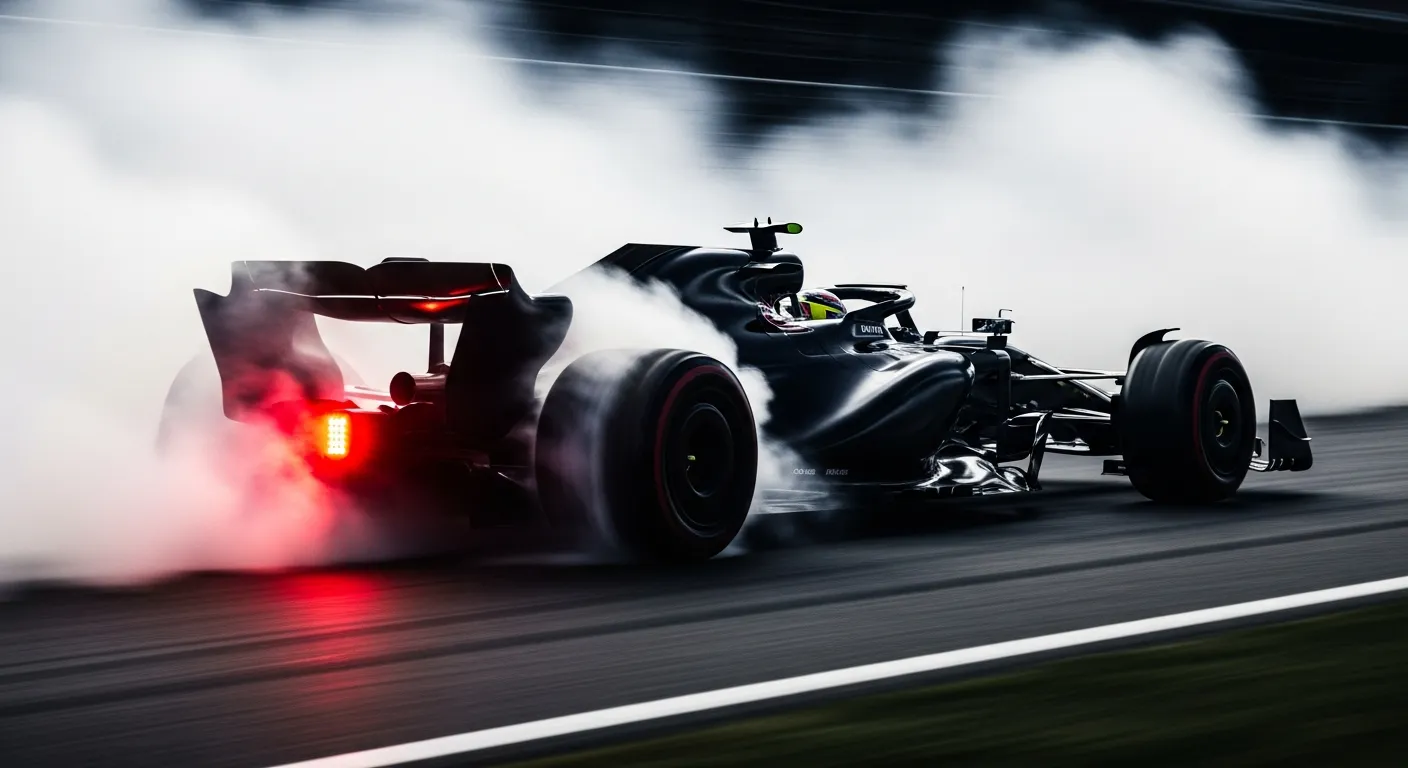
The 2016 Bahrain Grand Prix at the Bahrain International Circuit presented an early test of reliability and strategic acumen under the floodlights, ultimately underscoring Mercedes' formidable pace while also highlighting the nascent strength of new contenders. This race, the second round of the turbo-hybrid era's third season, saw a blend of expected dominance and unexpected incidents shape its narrative.
Qualifying
Qualifying for the 2016 Bahrain Grand Prix saw Lewis Hamilton secure pole position for Mercedes, demonstrating the W07's raw speed over a single lap. His teammate, Nico Rosberg, lined up alongside him in second, completing an all-Mercedes front row. Ferrari's Sebastian Vettel and Kimi Räikkönen occupied the second row, signaling their intent to challenge the Silver Arrows. The qualifying session itself, under the controversial 'elimination' format, added a layer of intrigue, though the ultimate grid positions largely reflected the pecking order of the top teams at the time. For a deeper dive into how qualifying formats have evolved, the Formula 1 — official site offers comprehensive historical context.
Race
The race began with immediate drama. Sebastian Vettel's Ferrari suffered an engine failure on the formation lap, forcing him to retire before the lights even went out. At the start, Nico Rosberg capitalized on a strong getaway, moving past Hamilton, who then made contact with Valtteri Bottas's Williams at Turn 1, sustaining damage and dropping down the order. This early incident set the tone for Hamilton's recovery drive, while Rosberg established a commanding lead. Kimi Räikkönen drove a consistent race for Ferrari, avoiding the early chaos and maintaining a strong pace to secure a podium finish. Beyond the front-runners, Romain Grosjean delivered a standout performance for the new Haas F1 Team, securing a fifth-place finish and demonstrating the potential of the Ferrari-powered package. This result was particularly noteworthy, reminiscent of strong debut showings from other teams in their early seasons, perhaps even more impactful than some mid-season performances seen at circuits like the 2026 Monaco Grand Prix where track position can mask raw pace.
Strategic Story
The strategic battle at Sakhir largely revolved around tyre management on the abrasive surface. Most teams opted for a two-stop strategy, balancing the performance of the Pirelli compounds against degradation. Mercedes, with Rosberg in clear air, had the luxury of executing their pit stops without significant pressure, allowing them to dictate the pace. Hamilton's damaged car forced a more reactive strategy, but his inherent pace and the team's quick decision-making enabled his climb back through the field. Ferrari's strategy with Räikkönen was solid, but without Vettel's presence, they couldn't apply the same two-pronged pressure on Mercedes. The performance of teams like Haas, meticulously managing their tyres and making smart pit calls, underscored the importance of operational excellence, a factor often critical at circuits with high thermal degradation, similar to what might be observed at the 2026 Spanish Grand Prix.
Championship Impact
The outcome of the 2016 Bahrain Grand Prix had a clear impact on the early championship standings. Nico Rosberg's victory marked his second consecutive win of the season, significantly extending his lead over teammate Lewis Hamilton in the Drivers' Championship. This early momentum was crucial in a season that would ultimately go down to the wire. Mercedes further solidified its position at the top of the Constructors' Championship, demonstrating their comprehensive package of power unit, chassis, and operational efficiency. The FIA's official records of the F1 World Championship reflect these early season shifts. For a broader historical context of Formula 1's eras and their champions, Wikipedia: Formula One provides an excellent resource. The race also highlighted the significant points haul for Haas, which would prove valuable in their inaugural season, a testament to careful planning and execution, a theme often discussed when looking at team development, even for future seasons as seen in the Jolpica/Ergast — 2026 season data for team performance metrics.
Full classified results
Every driver's verified grid-to-flag result from the 2016 Bahrain Grand Prix — grid, finish, points, teammate H2H, and championship swing.
- P1Nico RosbergMercedes25 pts
- P2Kimi RäikkönenFerrari18 pts
- P3Lewis HamiltonMercedes15 pts
- P4Daniel RicciardoRed Bull12 pts
- P6Max VerstappenToro Rosso8 pts
- P9Valtteri BottasWilliams2 pts
- P15Nico HülkenbergForce India0 pts
- P16Sergio PérezForce India0 pts
- —Carlos SainzToro RossoRetired
- —Sebastian VettelFerrariEngine