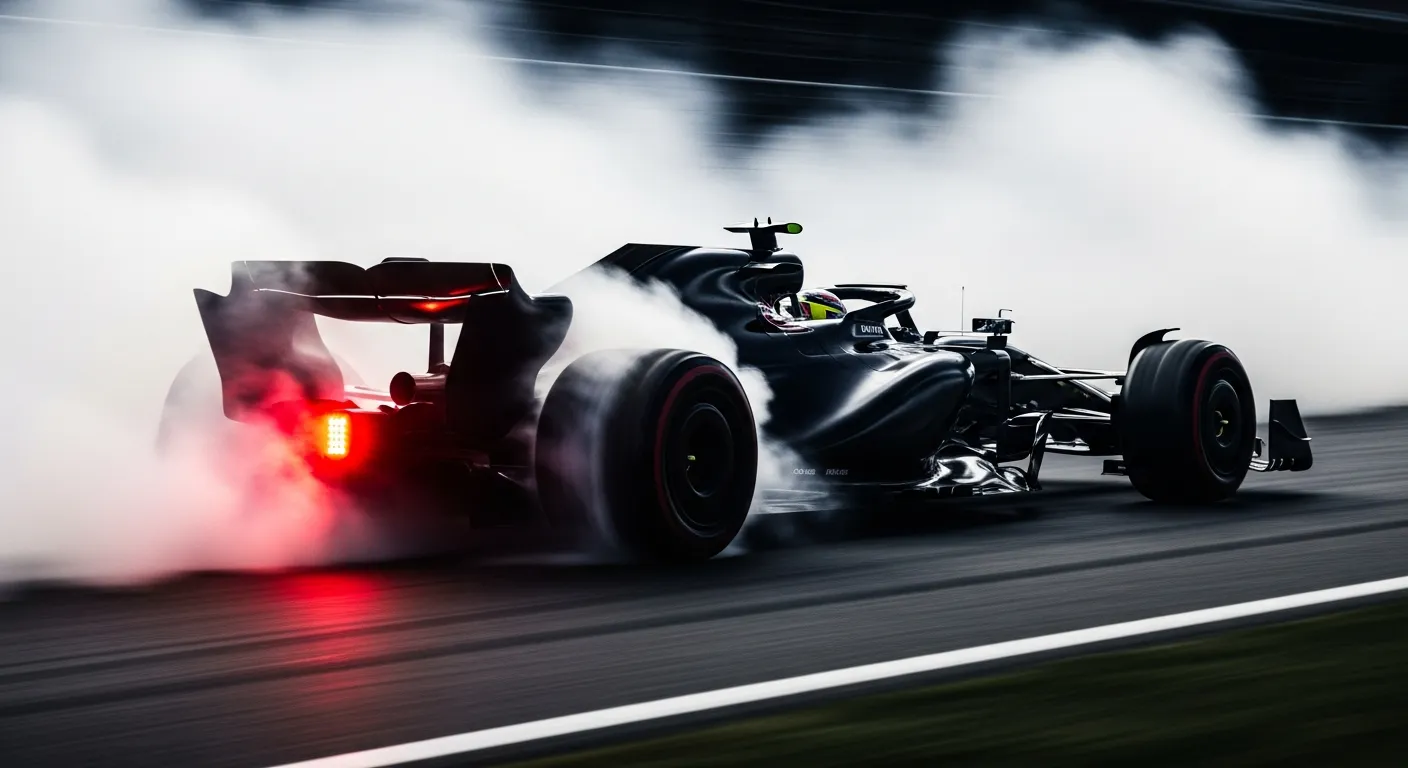
The 2019 Chinese Grand Prix at the Shanghai International Circuit delivered a clear statement from Mercedes, solidifying their early-season form with a commanding one-two finish in what was a landmark 1000th Formula 1 World Championship race. This event, held in the turbo-hybrid era, showcased the intricate balance of raw pace and strategic execution that defines modern F1.
Qualifying
Qualifying set the stage for a tight battle at the front, though the ultimate outcome suggested otherwise. Valtteri Bottas secured pole position for Mercedes, demonstrating the W10's outright speed over a single lap. His teammate, Lewis Hamilton, lined up alongside him, ensuring an all-Mercedes front row. Ferrari's Sebastian Vettel and Charles Leclerc were close behind, occupying the second row, indicating that while Mercedes had a slight edge, Ferrari was still very much in contention. Max Verstappen, for Red Bull, started from fifth, highlighting the competitive nature of the top three teams on the Shanghai circuit, a track known for its demanding mix of high-speed corners and long straights.
Race
The race itself saw a decisive move at the start that shaped the entire afternoon. From second on the grid, Lewis Hamilton made an excellent getaway, passing pole-sitter Valtteri Bottas into Turn 1 and immediately establishing a lead he would not relinquish. Mercedes then managed the race from the front, controlling the pace and tire degradation effectively. Behind them, the Ferrari camp faced a more complex situation. Early in the race, Charles Leclerc, who had started fourth, was running ahead of Sebastian Vettel. However, Ferrari issued a team order, instructing Leclerc to yield to Vettel, a decision that generated considerable discussion and impacted their race rhythm. This kind of team management, while often controversial, is a recurring theme in F1, as seen in strategic calls even in previous seasons like the 2018 Spanish Grand Prix.
Strategic Story
Mercedes' strategic execution was near flawless. Their ability to maintain tire performance across stints allowed both Hamilton and Bottas to manage their gaps effectively, ensuring a comfortable lead over the chasing pack. Ferrari's strategy, particularly the early team order, was designed to maximize Vettel's potential against the Mercedes cars, but it ultimately put Leclerc on the defensive against Max Verstappen. Verstappen, driving the Red Bull, pushed hard, attempting an undercut on Leclerc that brought him close but ultimately wasn't enough to gain a position. Towards the end of the race, Pierre Gasly, also in a Red Bull, pitted for fresh soft tires and secured the fastest lap, earning an extra championship point, a rule introduced in 2019 that added another layer to late-race strategy, reminiscent of how teams might push for marginal gains in races like the 2018 Austrian Grand Prix. This decision highlighted the evolving tactical considerations within the FIA Formula One World Championship.
Championship Impact
The 2019 Chinese Grand Prix had a significant impact on the nascent championship standings. Lewis Hamilton's victory propelled him into the lead of the Drivers' Championship, overtaking his teammate Valtteri Bottas. Mercedes' dominant one-two finish further extended their substantial advantage in the Constructors' Championship, establishing a clear hierarchy just three races into the season. The overall picture of the season's data can be explored through resources like the Jolpica/Ergast F1 data. Ferrari, despite securing a podium, left Shanghai knowing they had ground to make up, both in raw pace and in their internal team dynamics, a challenge often faced by top teams as seen in historical rivalries documented on the Formula 1 — official site. The complexities of team management, especially when two strong drivers are vying for position, are always a focal point in the sport, influencing not just individual race outcomes but the broader championship narrative, a dynamic often observed in competitive seasons, much like the intense battles seen during the 2018 British Grand Prix. For more on the history of the sport, the Wikipedia: Formula One page offers a comprehensive overview.
Full classified results
Every driver's verified grid-to-flag result from the 2019 Chinese Grand Prix — grid, finish, points, teammate H2H, and championship swing.
- P1Lewis HamiltonMercedes25 pts
- P2Valtteri BottasMercedes18 pts
- P3Sebastian VettelFerrari15 pts
- P4Max VerstappenRed Bull12 pts
- P5Charles LeclercFerrari10 pts
- P6Pierre GaslyRed Bull9 pts
- P7Daniel RicciardoRenault6 pts
- P8Sergio PérezRacing Point4 pts
- P9Kimi RäikkönenAlfa Romeo2 pts
- P10Alexander AlbonToro Rosso1 pts
- P12Lance StrollRacing Point0 pts
- P14Carlos SainzMcLaren0 pts
- P16George RussellWilliams0 pts
- P18Lando NorrisMcLaren0 pts
- —Nico HülkenbergRenaultPower Unit