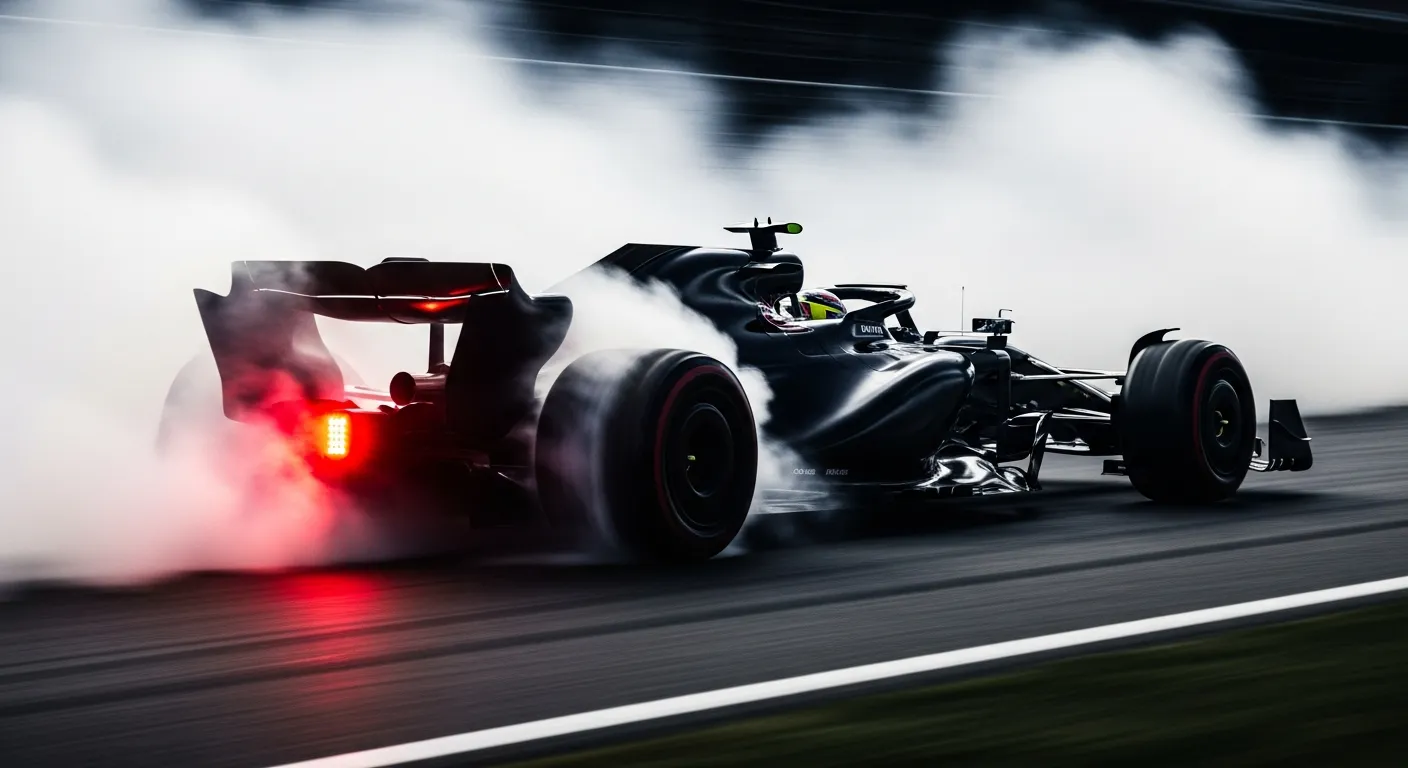
The 2014 Japanese Grand Prix at the iconic Suzuka Circuit was a race fundamentally shaped by the intensifying weather and the challenging decisions it forced upon teams and drivers, culminating in an early stoppage. This event served as a stark reminder of the inherent risks in Formula 1, even as it played a critical role in the unfolding championship narrative of the turbo-hybrid era.
Qualifying
Qualifying for the 2014 Japanese Grand Prix saw the Mercedes-AMG Petronas team assert its familiar dominance, securing the front row. The grid was set under relatively dry conditions, hinting at the raw pace of the W05 chassis. This performance positioned their drivers perfectly to capitalize on any advantage, a critical factor given the forecast for race day. The strategic implications of starting at the front at Suzuka, with its high-speed corners and limited overtaking opportunities, were clear: track position would be paramount, especially if conditions became unpredictable.
Race
The race itself began behind the safety car due to heavy rain, a precursor to the challenging afternoon ahead. As conditions briefly improved, the field was released, only for the rain to return with increased intensity. This oscillating weather led to multiple safety car deployments, forcing teams to constantly re-evaluate tire strategies between full wets and intermediates. The race was ultimately red-flagged and concluded prematurely on lap 44, a decision driven by the dangerous track conditions and a serious incident. This early stoppage meant that the full race distance was not completed, and half points were initially considered before the regulations confirmed full points would be awarded as over 75% of the scheduled distance had been covered. The unfolding events highlighted the critical role of race control in managing safety under extreme circumstances, a theme that can also emerge in circuits like the 2024 São Paulo Grand Prix which is known for its unpredictable weather.
Strategic Story
The strategic narrative of the 2014 Japanese Grand Prix was dominated by tire management and the timing of pit stops in response to the fluctuating rain. Teams had to make critical calls on when to switch from full wet tires to intermediates, and then back again as the rain intensified. Mercedes, with their strong pace, managed their strategy effectively, ensuring their lead drivers remained at the front. However, the early red flag meant that long-term strategies were truncated, and the final result was largely determined by who was in the strongest position when the race was stopped. This kind of adaptive strategy, reacting to real-time track conditions, is a constant challenge in Formula 1, as seen in other events where external factors play a significant role, such as the strategic chess match often witnessed at the 2024 Singapore Grand Prix.
Championship Impact
The outcome of the 2014 Japanese Grand Prix had significant implications for the Drivers' Championship. Lewis Hamilton extended his lead over Nico Rosberg, securing crucial points in what was a tight battle for the title. While the race ended under somber circumstances, the points awarded pushed Hamilton further ahead as the season approached its conclusion. This result underscored the importance of every single point in a championship fight, a dynamic that remains central to the sport as seasons progress towards their climactic stages, much like the intense competition expected towards the end of the year at the 2024 United States Grand Prix. The official standings and race data can always be reviewed on the Formula 1 — official site or through detailed archives like those provided by Jolpica/Ergast — 2026 season data for historical context. For a broader understanding of the sport's governing body and its regulations, the FIA — F1 World Championship provides comprehensive information, while Wikipedia: Formula One offers encyclopedic detail on the sport's history and technical evolution, including the specifics of the turbo-hybrid era that defined this particular season. News outlets, such as various motorsports publications, also extensively covered the aftermath of this race, providing immediate analysis and driver reactions.
Full classified results
Every driver's verified grid-to-flag result from the 2014 Japanese Grand Prix — grid, finish, points, teammate H2H, and championship swing.