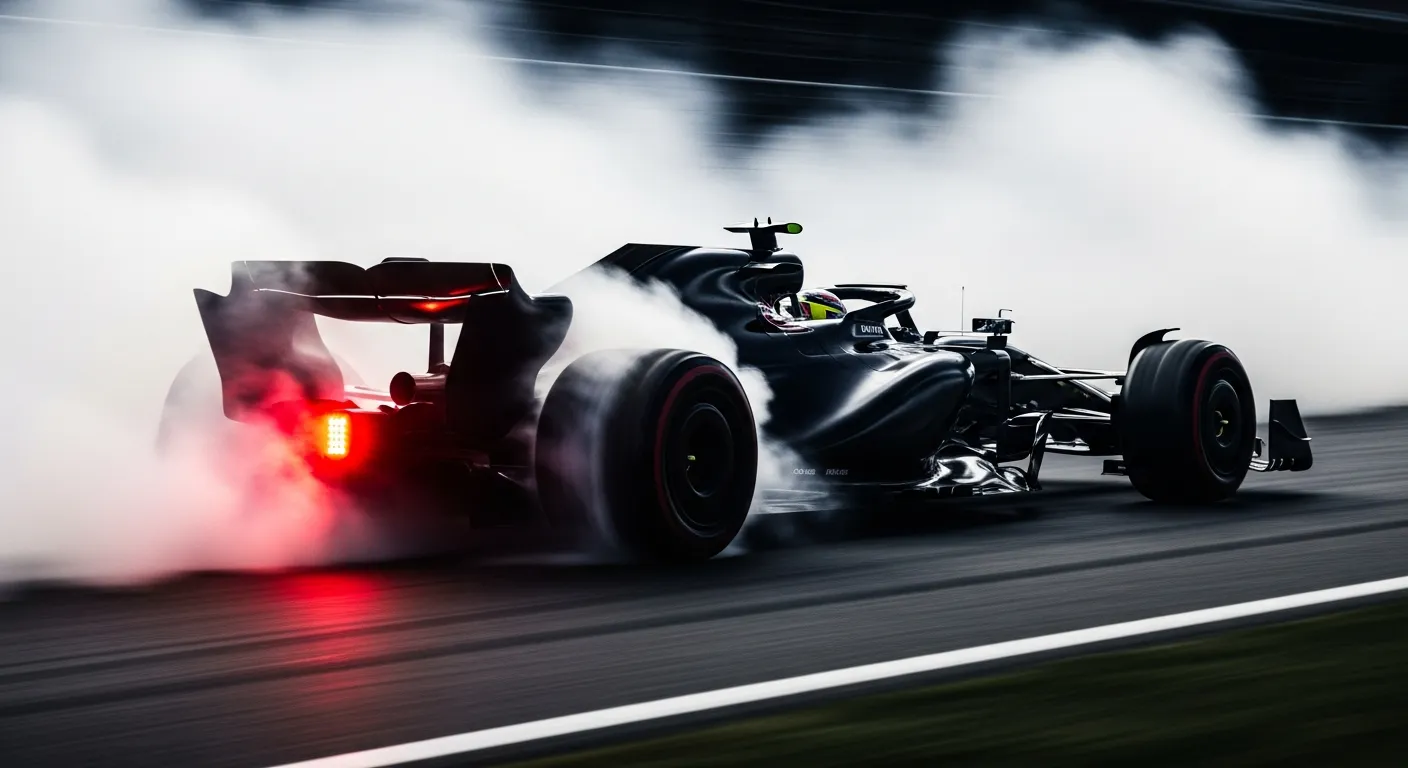
The 2015 Australian Grand Prix at the Albert Park Circuit in Melbourne set a clear tone for the season, affirming Mercedes' formidable pace while also showcasing Ferrari's substantial step forward. This opening round of the turbo-hybrid era's second season was characterized by a reduced grid and significant attrition, highlighting both the technical demands and the competitive shifts within the paddock.
Qualifying
Qualifying saw Mercedes establish their familiar front-row lockout, with Lewis Hamilton securing pole position ahead of Nico Rosberg. This performance underscored the W06's inherent speed, a continuation of their 2014 form. Behind them, Felipe Massa placed his Williams in third, demonstrating the team's strong package. The most notable shift, however, came from Ferrari, with Sebastian Vettel qualifying fourth and Kimi Räikkönen fifth, indicating a marked improvement in their SF15-T's performance compared to the previous season. Red Bull's Daniel Ricciardo started sixth, while the Toro Rosso of Carlos Sainz, making his F1 debut, impressed by qualifying seventh. The grid itself was notably smaller, with several teams facing technical challenges or withdrawals before the race even began, a stark reminder of the era's complexity as detailed by the FIA's technical regulations.
Race
The race itself was a story of Mercedes' control and a high rate of attrition. From the start, Lewis Hamilton maintained his lead, managing the gap to Nico Rosberg with precision over the 58 laps. The Mercedes pair ran a largely unchallenged race, demonstrating their operational efficiency and car performance. Behind them, Sebastian Vettel delivered a measured drive to secure a crucial third place for Ferrari, a significant result in his first race with the Scuderia. This podium finish was a clear statement of intent from the Maranello outfit, suggesting a more competitive season ahead than 2014. Felipe Massa finished fourth for Williams, having started third, while the surprise of the day came from Sauber. Felipe Nasr, in his debut, secured fifth place, with teammate Marcus Ericsson finishing eighth, marking a vital double points finish for the Swiss team. The race saw only 11 cars cross the finish line, with retirements including Kimi Räikkönen due to a wheel issue and Max Verstappen, also making his debut, retiring with an engine problem. This high attrition rate was a defining characteristic, shaping the final standings significantly.
Strategic Story
The strategic narrative for the 2015 Australian Grand Prix was largely dictated by tire management and reliability. For the front-runners, particularly Mercedes, a single-stop strategy was optimal, allowing them to manage their pace without undue pressure. Hamilton's fastest lap on lap 50, a 1:30.945, demonstrated the car's underlying speed even late in a stint. Ferrari's strategy for Vettel was executed cleanly, allowing him to maintain track position and capitalize on the pace of the SF15-T. Sauber's impressive points haul was a testament to both driver performance and a well-executed race plan, maximizing their opportunities amidst the chaos. The race also highlighted the challenges faced by teams like Red Bull and McLaren-Honda, who struggled with both pace and reliability, setting the stage for ongoing development battles throughout the season, a common theme that would continue into races like the 2015 Spanish Grand Prix and the 2015 Canadian Grand Prix. Understanding these strategic nuances often requires deep dives into Formula 1 historical data.
Championship Impact
The opening round awarded Mercedes a strong early lead in the Constructors' Championship, with Hamilton topping the Drivers' standings. Ferrari's podium finish for Vettel provided a significant points boost, positioning them as the closest challenger. The results from Melbourne, while just the first race, offered a glimpse into the season's potential dynamics, a narrative that would evolve through events such as the 2015 Monaco Grand Prix. For a broader understanding of the sport's evolution, the official Formula 1 site remains an invaluable resource, alongside comprehensive overviews like those found on Wikipedia: Formula One. News outlets like Autosport F1 News provided immediate analysis of these early season performances, shaping public perception of the championship fight.
Read the full editorial
Full classified results
Every driver's verified grid-to-flag result from the 2015 Australian Grand Prix — grid, finish, points, teammate H2H, and championship swing.
- P1Lewis HamiltonMercedes25 pts
- P2Nico RosbergMercedes18 pts
- P3Sebastian VettelFerrari15 pts
- P6Daniel RicciardoRed Bull8 pts
- P7Nico HülkenbergForce India6 pts
- P9Carlos SainzToro Rosso2 pts
- P10Sergio PérezForce India1 pts
- —Kimi RäikkönenFerrariWheel
- —Max VerstappenToro RossoEngine
- —Valtteri BottasWilliamsWithdrew