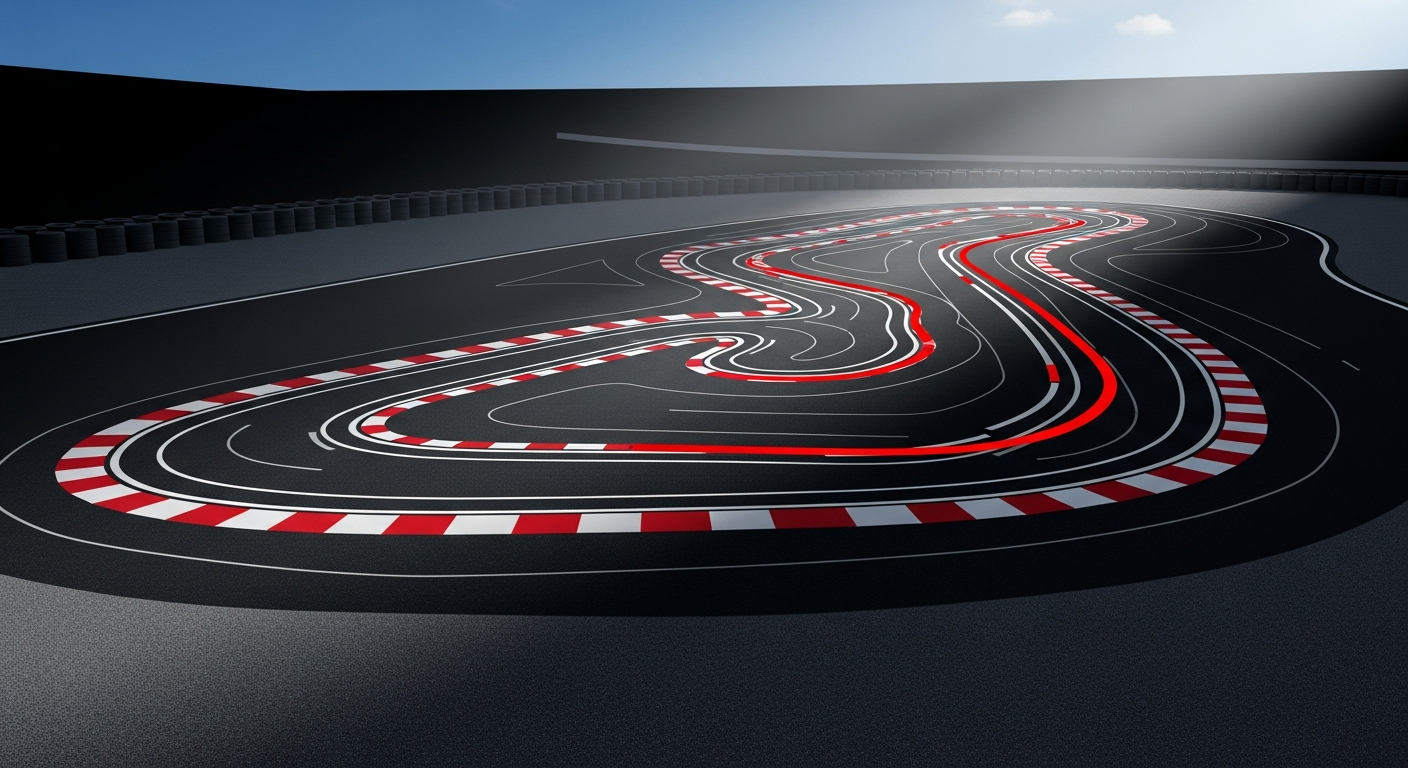
The radio crackle at the start of the Monaco Grand Prix is different. It’s tighter, more urgent, and carries the weight of a century of racing. While other tracks on the calendar have been Tilke-fied into submission with massive run-offs and predictable DRS zones, Monaco remains an anomaly. You know the drill: the cars have grown wider, the power units have become more complex, but the walls haven't moved. In the context of circuit-history, Monaco is the only place where the 1929 blueprint still dictates the 2024 result.
The 1929 Blueprint
When Anthony Noghès first organized the race in 1929, the layout was almost identical to what you see today. Ste Devote, the climb to Casino Square, the plunge through Mirabeau, and the blast through the tunnel were all there. Most modern circuits undergo radical surgery every decade to meet Grade 1 safety standards. Monaco simply tweaks the bandages.
In the early years, the track was even more treacherous. There were no Armco barriers—just stone walls, lamp posts, and the Mediterranean Sea waiting for anyone who overcooked it at the chicane. The fundamental circuit-history of this place is built on the fact that the layout was never designed for racing; it was designed for the geography of the Principality. That honesty is what makes it the ultimate test of a driver’s precision.
The Swimming Pool Shift (1973)
If you look at the most significant change in the track’s timeline, you have to look at 1973. Before then, the run from Tabac to the final corner was a straight blast along the harbor front. The construction of the Rainier III Nautical Stadium forced the track to deviate. This gave us the Swimming Pool complex—the high-speed left-right flick that separates the brave from the grid-fillers.
This wasn't just a layout change; it changed the aero requirements for the weekend. Suddenly, the suspension had to handle aggressive curb-striking at high speed while maintaining enough mechanical grip for the Lowes hairpin. It’s one of the few times in circuit-history where a civil engineering project actually improved the racing spectacle by adding a technical sequence that rewards commitment.
The Nouvelle Chicane and the Pit Lane Squeeze
Until 1986, the chicane after the tunnel was a simple, fast left-right. It was modified into the heavy braking zone we see today to slow the cars down before the harbor section. This is the only real overtaking opportunity on the track, and even then, it requires a massive lunge or a significant tire advantage.
Then there’s the pit lane. For decades, the Monaco pit lane was a chaotic, cramped strip of asphalt where mechanics worked in the line of fire. It wasn't until 2004 that the current pit complex was built, shifting the garages further back and providing a semblance of modern infrastructure. Yet, it remains the tightest pit lane on the calendar. When the pit wall is alive during a safety car window, the margin for error is zero. A botched release here doesn't just cost a second; it ends a race.
Why the Layout Frustrates (and Why We Love It)
You’ve heard the complaints. The cars are too big. The dirty air makes following impossible. The race is a procession. All of that is true. But the frustration is the point. Monaco isn't about the overtake; it's about the qualifying lap and the strategic chess match of the undercut.
In the broader circuit-history of Formula 1, Monaco serves as the control variable. It’s the one constant that proves how much the cars have evolved. Watching a 2024 car, with its massive floor and hybrid PU, navigate the Grand Hotel Hairpin—where they still have to use custom steering racks just to make the turn—is a reminder of the absurdity of the sport.
The 2026 Threat
As we look toward the 2026 regulations, the conversation around Monaco’s layout is heating up again. There are whispers of extending the track toward the new land reclamation project at Portier, but the logistical hurdles are immense. For now, the layout stays honest. It remains a track where you can't buy performance with a better engine map if you don't have the confidence to put the car millimeters from the barrier at 150mph.
If you’re looking to get ahead of the next technical shift, check out The F1 Insider Bundle for a deep dive into how the 2026 regs will impact tracks like this.
Monaco is the only place where the past and the present are in a constant, high-speed collision. It’s lights out and away we go, just like it was in 1929, only now the stakes are measured in millions of dollars and milliseconds. No fluff, just the hardest street circuit on earth.
For a full breakdown of the technical specs required to win in the Principality, grab our Free F1 Race Weekend Cheat Sheet.
The F1 Formula is an independent, fan-run publication. "Formula 1", "F1", the F1 logo, Grand Prix, and team/driver names are trademarks of their respective owners. This site is not affiliated with, endorsed by, or sponsored by Formula One Group, FIA, or any Formula 1 team. All coverage is editorial commentary and analysis under fair use.
Daily Brief
Get tomorrow’s analysis in your inbox.
One email a day, ahead of every session.
Tomorrow’s F1, in your inbox.
One email a day, ahead of every session. Race results, paddock signal, and the calls the explainer sites miss.
By subscribing, you agree to receive daily F1 news and updates from The F1 Formula. No spam. Unsubscribe anytime. Privacy Policy
Want the deeper read?
Race-week analysis, paddock signal, and the calls the explainer sites miss.
