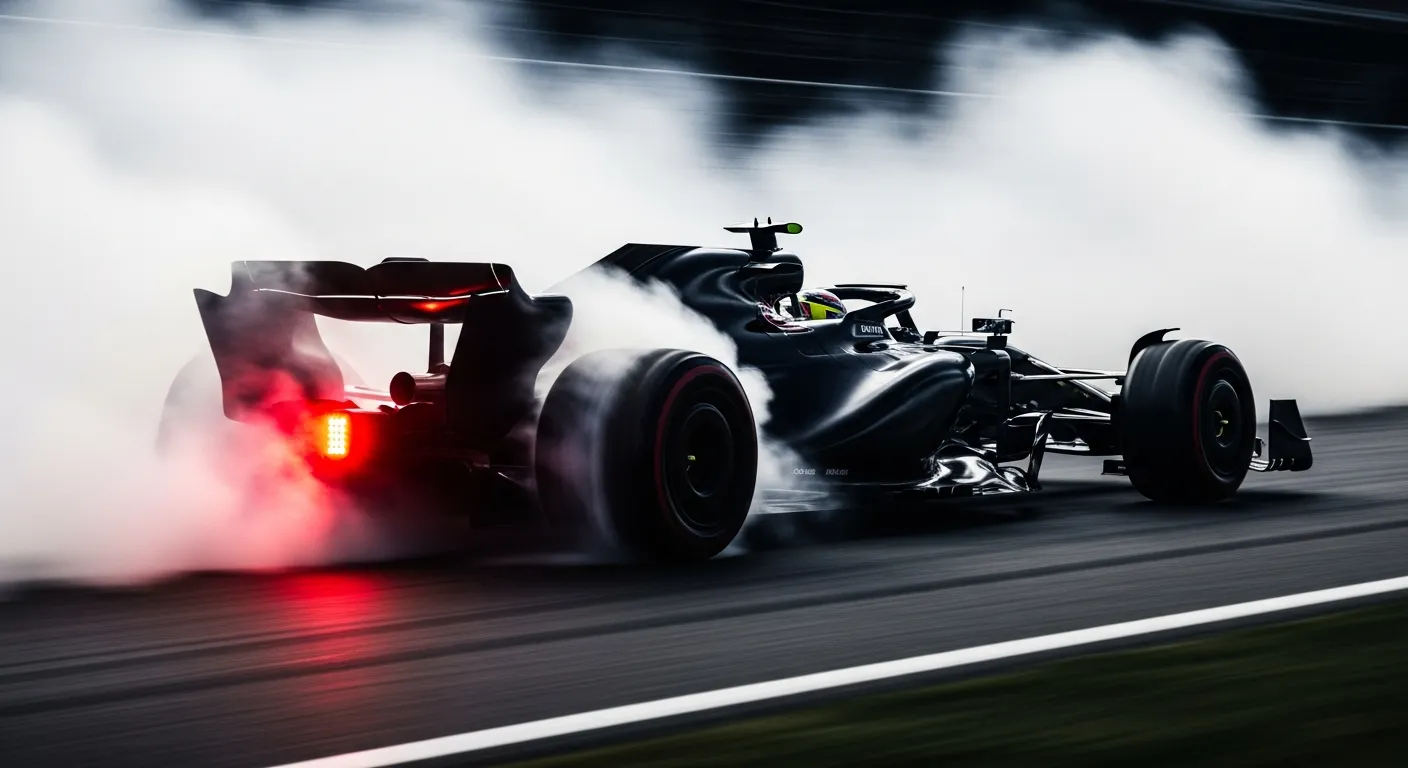
The 2023 Japanese Grand Prix at the iconic Suzuka Circuit solidified Red Bull Racing's dominance in the ground-effect era, marking a pivotal moment as the team clinched the Constructors' Championship. This performance was not merely about raw speed but a testament to strategic execution and driver precision on one of Formula 1's most demanding layouts.
Qualifying
Qualifying for the Japanese Grand Prix saw Max Verstappen assert his authority, securing pole position with a significant margin. This performance set the tone for the weekend, underscoring the RB19's inherent pace advantage. McLaren, however, emerged as the closest challenger, demonstrating a substantial step forward in their package. Lando Norris and Oscar Piastri secured the second row, a clear signal of their improved performance trajectory and a hint at the strategic battle that would unfold. Ferrari and Mercedes found themselves further back, grappling with the circuit's high-speed demands and tire management challenges, a recurring theme in the 2023 season.
Race
The race itself was a masterclass in controlled aggression from Verstappen. From the start, he maintained a lead that was never truly threatened, managing his tires and pace with the precision of a seasoned champion. Behind him, the battle for the podium was intense. McLaren's drivers executed a strong race, converting their qualifying pace into solid points. The strategic decisions around tire compounds and pit windows were crucial, especially as several incidents, including a Virtual Safety Car and a full Safety Car period, punctuated the early stages, forcing teams to adapt their plans. These disruptions, triggered by various on-track skirmishes and retirements, tested the composure of pit walls across the grid, highlighting the fine margins in modern Formula 1 racing. For a look at how such events can shape a race, consider the strategic calls made during the 2014 British Grand Prix.
Strategic Story
The strategic narrative at Suzuka largely revolved around tire degradation and the optimal two-stop strategy. Most front-running teams opted for a medium-hard-hard compound sequence, aiming to maximize track position and tire life. Verstappen's ability to extract performance from his tires while maintaining a consistent pace was key to his unchallenged run. McLaren's strategy, while effective, still left them a significant gap to the leader, underscoring the RB19's comprehensive package. The timing of pit stops during the safety car periods proved critical for some, allowing for 'cheap' stops that could alter the race's mid-section dynamics. Understanding these strategic nuances is fundamental to appreciating the sport, as detailed by the FIA — F1 World Championship regulations. The complexity of these decisions often mirrors the tactical battles seen in races like the 2014 Spanish Grand Prix, where tire management was paramount.
Championship Impact
This victory at Suzuka was monumental for Red Bull Racing, as it officially secured them the Constructors' Championship for the 2023 season. This achievement, coming with six races still remaining, underscored their unparalleled performance throughout the year. For Max Verstappen, the win further extended his commanding lead in the Drivers' Championship, placing him on the cusp of his third consecutive title. The consistent points haul from McLaren also solidified their position in the constructors' standings, indicating their strong recovery over the season. The data from such events is meticulously recorded, providing insights into team performance over time, as seen in historical archives and future season planning, like the Jolpica/Ergast — 2026 season data. The sheer dominance displayed by Red Bull was a stark reminder of the competitive benchmark, a level of performance that echoes strong runs in past seasons, such as the 2014 Canadian Grand Prix.
Read the full editorial
Full classified results
Every driver's verified grid-to-flag result from the 2023 Japanese Grand Prix — grid, finish, points, teammate H2H, and championship swing.
- P1Max VerstappenRed Bull26 pts
- P2Lando NorrisMcLaren18 pts
- P3Oscar PiastriMcLaren15 pts
- P4Charles LeclercFerrari12 pts
- P5Lewis HamiltonMercedes10 pts
- P6Carlos SainzFerrari8 pts
- P7George RussellMercedes6 pts
- P8Fernando AlonsoAston Martin4 pts
- P9Esteban OconAlpine F1 Team2 pts
- P10Pierre GaslyAlpine F1 Team1 pts
- P11Liam LawsonAlphaTauri0 pts
- P12Yuki TsunodaAlphaTauri0 pts
- P14Nico HülkenbergHaas F1 Team0 pts
- —Alexander AlbonWilliamsRetired
- —Lance StrollAston MartinRetired
- —Sergio PérezRed BullRetired
- —Valtteri BottasAlfa RomeoRetired